





















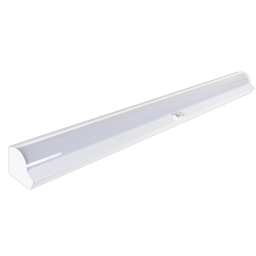

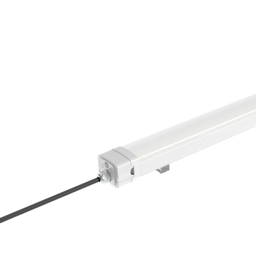

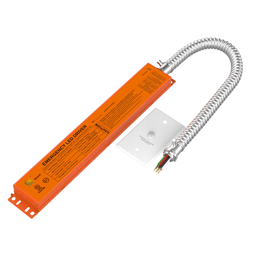


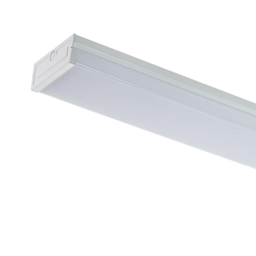

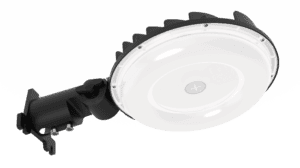


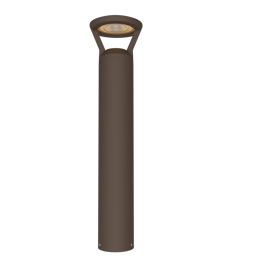
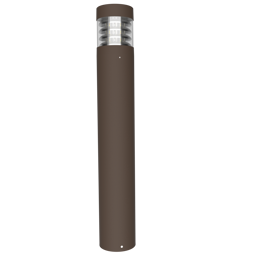

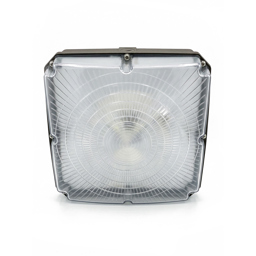
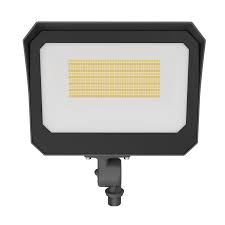
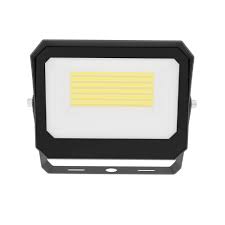


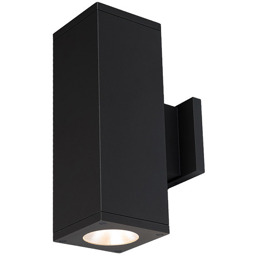

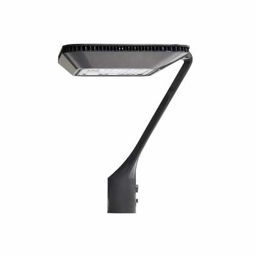

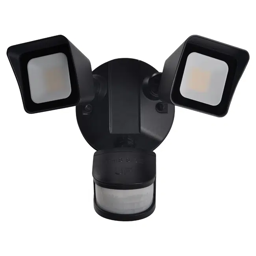
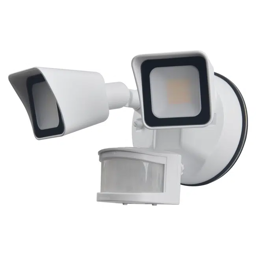

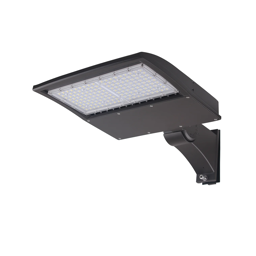
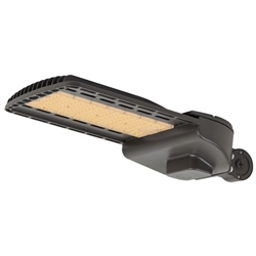
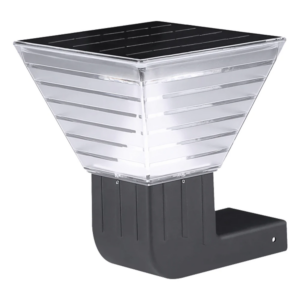

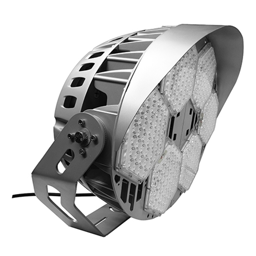

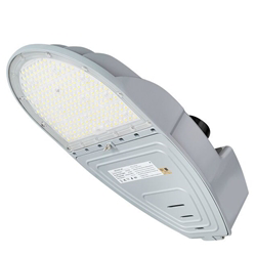

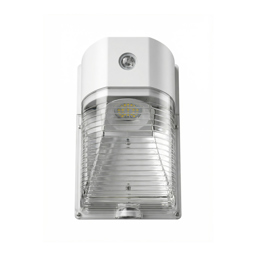
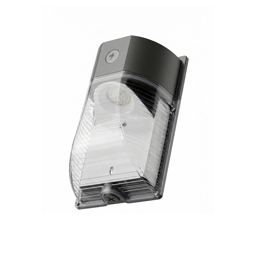

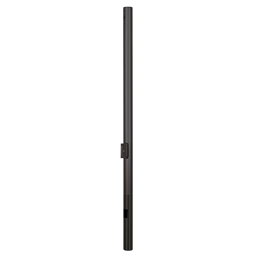







In other words, let’s cut to the chase. Parking lot lights do not cross anyone’s mind until there is something wrong with them. It can either be that their bulbs need replacing, the power bill has been consistently on the rise, or the clients have complained that the parking lot looks dark and unsafe.
In fact, parking lot lights have a variety of responsibilities beyond illuminating the area. They define perceptions about a property, they make people feel comfortable or otherwise at night, and they take up an unexpectedly large amount of power usage. It is crucial to make a good choice.
However, the lighting industry is constantly evolving. LED lighting has rendered other types of lights including metal halide and high pressure sodium nearly outdated. The thing is, choosing from different solutions can be challenging enough considering the wide range of parameters: pole height, lumens, spacing, controls, etc.
This guide will cut through all the confusion. No matter whether you run a shopping mall, an industry, or even municipal premises, the idea behind this is to provide clear-cut guidance on selecting the right parking lot lighting, sans any technical language.
Key Takeways:
- LED parking lot lights use up to 80% less energy than older technologies and last 5 to 10 times longer, making them the clear winner for most properties
- Proper spacing between poles ensures uniform coverage, a common guideline is four times the pole height
- Motion sensors and photocells help commercial parking lot lights run only when needed, saving even more energy
- Return on investment from LED conversions usually comes in two to four years thanks to savings in utilities and maintenance
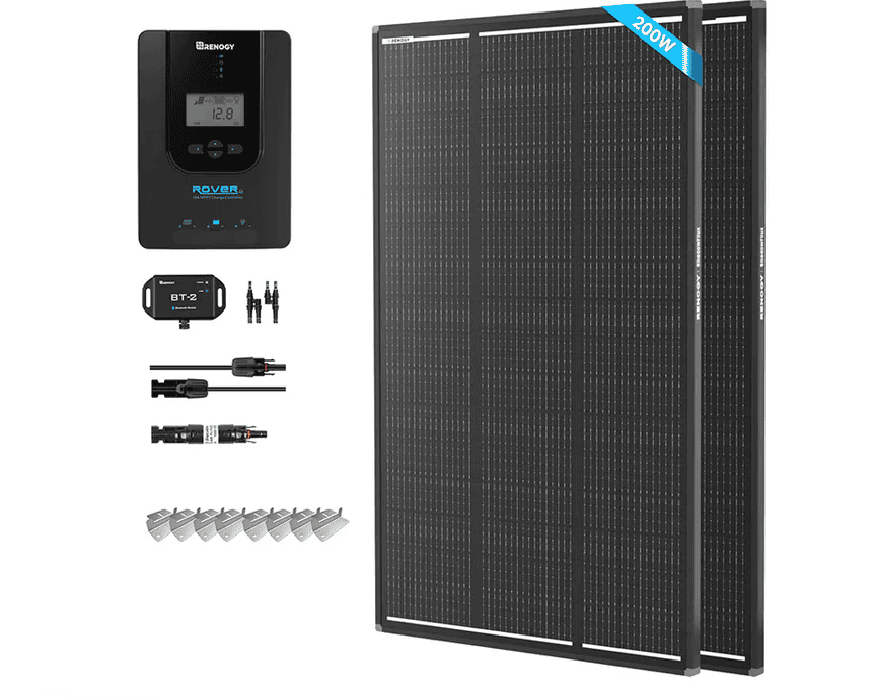
- Solar-powered parking lot lights are a good fit for out-of-the-way areas where it’s too costly to install power lines
What Are Parking Lot Lights & How LED Systems Work
Parking lot lights can assist in maintaining visibility, safety, and functionality. It may be used for any facility from a shopping center to an office building or an industrial facility.
The technological development that has gone into making such lights has been massive. The old technologies that include metals halide and high-pressure sodium lights rely on heating up gases in the bulb to light up. This process is very inefficient and consumes much energy in the form of heat; moreover, there is a delay before they light up completely.
LED lighting technology works differently. The LED lights generate light due to a process called electroluminescence where electricity flows through a semiconductor material to produce photons. The LED technology produces minimal heat.
This makes LED lighting significantly more efficient. A 150-watt LED lamp can be used in place of a 400-watt metal halide light. The 150 watts is less than half the power consumed by the 400 watts metal halide.
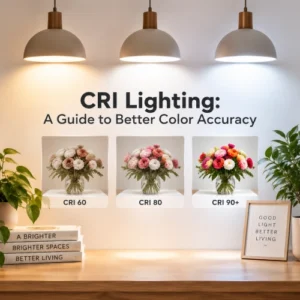
There is more to LED parking lot lights than energy efficiency. For instance, the LED lights provide a much brighter light when compared to the orange-yellow light produced by high pressure sodium lights. The bright lights enhance visibility and ensure that security cameras record the colors accurately. In addition, the LED lighting is instant when turned on unlike the old lights that need some time to warm up.
Switching to LED commercial parking lot lights is one of those rare times when a business decision can yield significant benefits from all fronts.
Parking Lot Lights Design: Spacing, Layout & Lighting Standards
Great fixtures alone won’t deliver great results. How those parking lot lights are arranged across the property matters just as much. The design will result in shaded areas that provide hiding places for people and any dangers that exist in them. The proper lighting design will result in uniform distribution of light that creates a safe environment.
Getting Spacing Right
The golden rule of parking lot lighting is simple: space poles about four times their height apart. So for 20-foot poles, that means roughly 80 feet between each one. This ratio works for most rectangular lots. Irregular shapes or lots with trees, buildings, or other obstacles may need some adjustments, but four-to-one is a solid starting point.
How Much Light is Enough?
The Illuminating Engineering Society has clear recommendations for light levels. General parking areas need about 2 to 5 foot-candles of light. Entrances, exits, and walkways should be brighter, around 5 to 10 foot-candles. For comparison, a foot-candle is roughly the amount of light from a candle one foot away.
Uniformity Counts
Uniformity, in simple terms, is a measure of the evenness of illumination of the lot. Uniformity ratios of 4:1 and above mean that the brightest point on the lot will be at least four times the brightest point. Less than that is too dark and unsafe.
Choosing the Right Distribution Pattern
Lights can be cast in a variety of ways by different fittings. Some lights for parking areas will use a Type III beam spread that throws the light ahead and outwards in a great way for parking lots and streets. Others use a Type V distribution that casts the light in a circle, good for wider areas such as intersections. This makes sure of energy efficiency in parking lot lights.
Commercial Parking Lot Lights Comparison (LED vs HID vs Solar)
Making a choice out of LED, HID and solar commercial parking lot lights depends on knowing what each has to offer, with one of the options outclassing the rest.
LED: The Choice Made Easier
Compared to HID lighting solutions, LED parking lot lights use 80 percent less electricity and last for 50,000 to 100,000 hours. This translates into 10 to 20 years for an area lit 12 hours a day. LED lights come on instantly, provide good color rendition, and need no maintenance at all. The one negative aspect about LED lighting is the high price.
HID: Fading Fast
The only benefit that metal halide and high pressure sodium lights enjoy is their relatively low initial cost. After this, they are costly to operate, require constant replacement of bulbs, and take a while to reach their full brightness. The high-pressure sodium light also emits an unattractive yellow glow. Such lighting systems would be applicable only when you have a project with a very short period of usage or extremely cheap energy source.
Solar: Niche, But Applicable
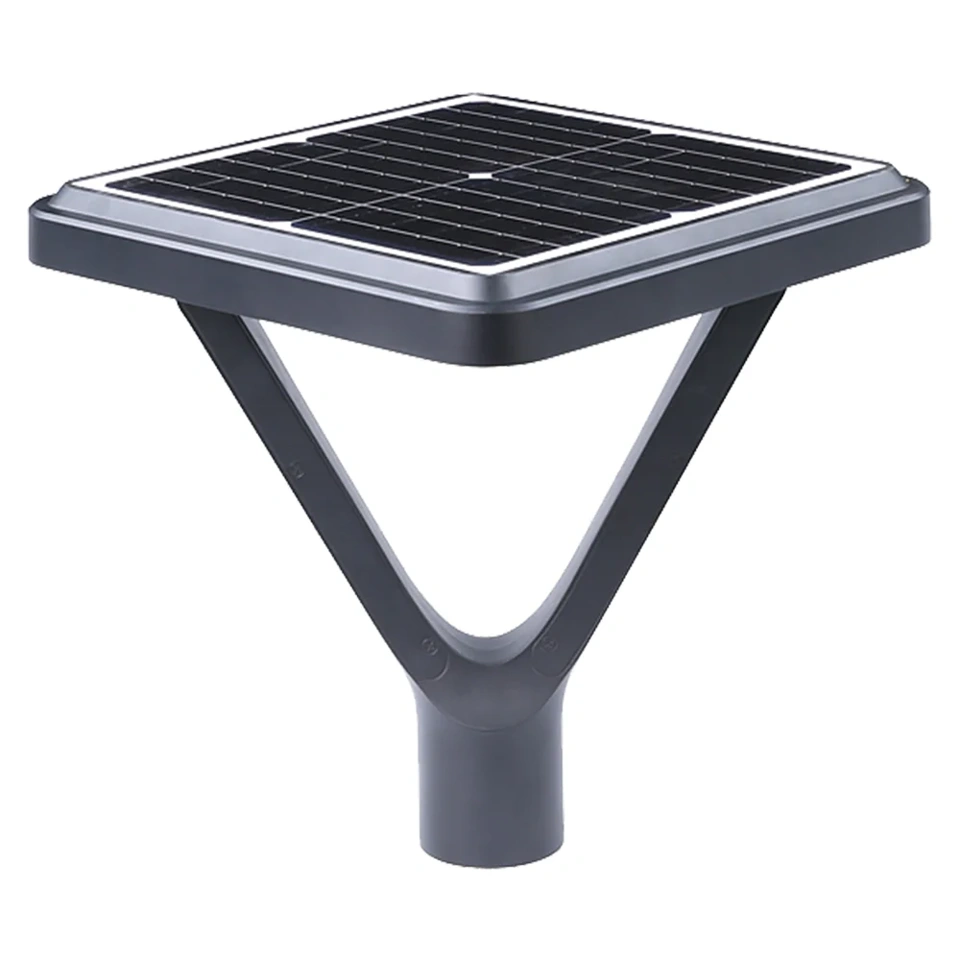
Solar for parking lot lights operates totally independent of the power line, and thus is ideal for use in isolated locations where digging the trenches to install the wiring would be very expensive. While they do not use any energy at all, yet they need continuous sunlight and batteries change regularly.
Feature Article: Types of Permanent Outdoor Lighting for Tiny Homes
Energy Efficient Parking Lot Lighting: Cost, ROI & Maintenance
The statistics for upgrading to LEDs are irrefutable. Energy efficient parking lot lights save you money in tangible, calculable ways.
Energy Savings
Consider an ordinary lot that uses 20 lights for 12 hours each day. With a 400-watt metal halide lighting system, the total consumption will be approximately 8,000 watts annually at a cost of approximately $3,500. In the case of a 150-watt LED lighting system, the total consumption of energy will only be 3,000 watts annually at a cost of $1,300.
Maintenance Reduction
Now we are getting into the area that makes LED lighting an even more interesting option. The average lifespan of metal halide bulbs is 15,000-20,000 hours, which corresponds to a 3 to 4-year replacement cycle. LED lamps have an operational life of 50,000-100,000 hours, or 10 to 20 years. Not having to replace bulbs and not having to pay for labor.
Return on Investment
The payback period for an LED retrofit is typically 2 to 4 years. After that, the savings are pure profit. Over a 10-year period, a single lot can save $20,000 or more compared to maintaining older HID systems. That is not chump change.
For those looking for parking lot lights that are high performance, long lasting, and energy efficient, Mesla Lighting offers engineered systems that are suited to commercial, industrial, and outdoor applications. Mesla Lighting helps companies in reducing costs while increasing their reliability at the same time.
Feature Article: LED vs Regular: Which Light Bulb Wins for Your Space?
Smart Controls & Safety in LED Parking Lot Lights Systems
Modern parking lot lights are smarter than ever. Adding controls transforms them from simple on-off fixtures into intelligent systems that adapt to what is happening in real time.
Motion Sensors
Motion sensors are a game changer for commercial parking lot lights. These sensors recognize any movement and automatically increase their level of illumination. In case the parking lot is not occupied by anyone, they reduce their power to 30% or 50%. But when there is any pedestrian or vehicle passing through the parking lot, they immediately illuminate fully.
Photocell Automation
Photocell technology turns parking lot lights on at dusk and off at dawn. It works automatically without requiring you to worry about settings or changing them.
Dimmable Features
There are some LED luminaries that come with 0-10V dimming capabilities, which mean that you will have the ability to dim the luminaire depending on the hour of the day and occupancy. In case the parking lot is full during early evening times, the luminaire may operate at 80 percent capacity. During late hours of the night when there are few people, the luminaire may dim to 50 percent.
Safety and Security Benefits
Parking lots that are well lit act as a deterrent to crime. This is not a guesswork; it has been proven true. Proper lighting prevents any possible hiding spaces and makes cameras function more efficiently. There is evidence that well-lit businesses have less vandalism and theft. The OSHA should also be heard on this, since darkness creates trip hazards.
Light Pollution Control
Light pollution is getting increasingly pertinent for municipalities and property owners who are environmentally conscious. The dark-sky fixture directs light downward where it should be directed, hence avoiding the problem of glare and conserving the night sky. There are many areas where there are incentives available for adopting dark-sky fixtures on their premises.
How to Choose the Best Parking Lot Lights for Commercial Sites
Making the final decision on parking lot lights involves weighing several factors. This practical framework helps property owners and facility managers narrow down the options.
Consider the Site
Regional shopping centers are quite different from small office buildings. Larger plots of land with more foot traffic will require greater lumens as well as closer spacing. Industries may want their lights to be durable, whereas commercial properties will care about their aesthetics and customer appeal.
Calculation of Lumens Needed
Commercial lighting fixtures require around 10,000 to 20,000 lumens per light. More lumens will be required if the lot is larger or if the pole is taller.
Evaluate Pole Height and Spacing
The relationship between pole height and spacing determines how uniform the light will be. For rectangular lots, space poles are about four times their height apart. So 20-foot poles need about 80 feet between them. Irregular lots may need custom spacing.
Check Weather Resistance
These parking lots are going to be outdoors; therefore, the lighting system would be subjected to weather, dirt, heat, and cold conditions. All the fixtures that are either rated IP65 or IP66 are protected from water and dust entirely.
Think About Installation
The cost of adding LED lighting fixtures to already installed poles would normally be lower than that of replacing all of them. However, if there is damage to the poles or poor spacing between them, total replacement could be the way to go.’
Feature Article: Best Lighting Tips for Architecture to Enhance Your Space Design
Final Thoughts
Selecting the right parking lot lights is all about compromise between technology, design, cost, and safety. LED solutions definitely win in this case, providing more energy-efficient, durable, and brighter lighting than any other product available on the market.
Apart from being good business, such lights are also beneficial from the point of view of creating a safe and pleasant environment. Whatever your project, be it an old or a new parking lot, careful evaluation is worth the time spent.
FAQs
What are the best parking lot lights for commercial use?
Commercial lighting using LED fixtures in the parking lot is the best lighting system for most commercial applications. Compared to old metal halide lights and high-pressure sodium lights, this lighting system is much more efficient.
How many lumens are needed for parking lot lighting?
Typically, most commercial sites require 10,000 to 20,000 lumens per lighting unit. Sites that are large in size or have taller poles will require 25,000 lumens or more. This will depend on the size of the lot and its brightness level.
How far apart should parking lot lights be placed?
A rule of thumb is to install the poles such that there is a spacing of four times their mounting height from one pole to another. With 20-foot poles, the spacing is 80 feet apart.
Are LED parking lot lights worth the investment?
Definitely. Despite being quite expensive, the LED parking lot lights have been tested to give a return on investment after 2 to 4 years thanks to lower costs of energy and maintenance. It can even go above $20,000 in 10 years.
What is the life span of the parking lot lighting systems commercially available?
The lifespan of the LED parking lot lights is about 50,000 – 100,000 hours, which equals to 10 – 20 years if used 12 hours a day. On the other hand, the metal halide will last 15,000 – 20,000 hours, or 3 – 4 years.