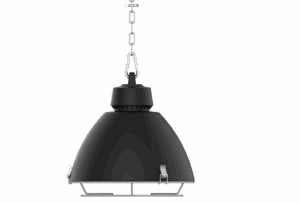


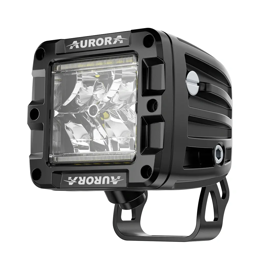

























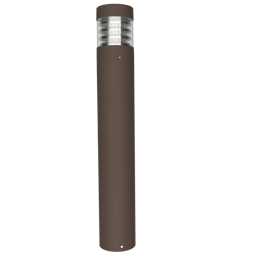

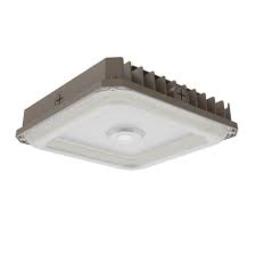
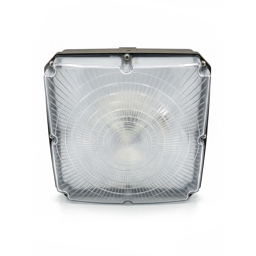

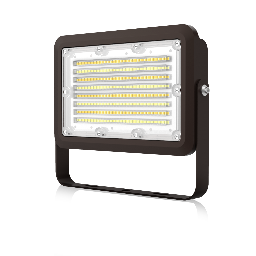















Nobody thinks about stair lights. Until something goes wrong.
Like Imagine:
Maybe someone misses a step. Maybe there’s a landing that’s way too dark. Or maybe there’s that one flickering tube that’s been “on the list” since last spring. (Every building has one. We’ve seen a lot of them.)
Here’s what we notice again and again. The lobby looks great. The offices look great. Then you open the stairwell door and it’s dim, buzzing and kind of creepy. It’s super common. The good news? It’s also pretty easy to fix.
So in this guide, we’re keeping it simple. We’ll cover what stairwell lighting actually needs to do, what the rules say, which lights work best and whether motion sensors are worth the money. If you run an office, an apartment
Quick Takeaways
- Good stairwell lighting is mostly about one thing: not falling down the stairs. US building codes ask for at least 10 footcandles on stairs when they’re being used.
- LED lights use way less power than old bulbs and tubes, and they last a lot longer.
- Motion sensors usually make sense on stairs, because most stairs are empty most of the day.
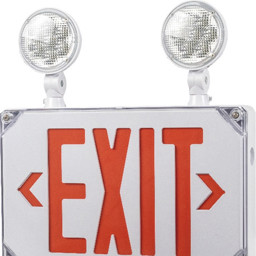
- Office and commercial buildings must have emergency lights. If the electricity cuts out, these lights need to stay on for at least 90 minutes so everyone stays safe.
- Firstly, think about your stairs, how much brightness you need, and your budget. You will easily find a light that perfectly matches your space.
What Is Stairwell Lighting and Why Is It Important?
Stairwell lighting is just the lighting that helps people see where they’re stepping on stairs and landings. Simple as that.
In a house, it might be one light on the ceiling. In an office or apartment building, it’s usually a light on every landing, often with a sensor and a backup battery built in.
Proper lights on stairs keep people safe. They’re often busy on their phones, may be rushing to their offices, or your little ones missing their school vans or someone is getting late for their university class.
It helps you actually see. Dark corners, deep shadows, and glare can all hide a step. Even, steady light makes the whole staircase easy to read in one glance.
And in most buildings, it’s the law. The International Building Code says exit stairs and their landings need at least 10 footcandles (about 108 lux) at the floor when people are using them. Regular hallways only need 1 footcandle. So yes, the code folks take stairs pretty seriously. Ten times more seriously, to be exact.
You’ll find stairwell safety lighting in offices, apartments, hotels, schools, hospitals, parking garages, and warehouses. Pretty much anywhere people go up and down every day, and might need to get out fast in an emergency.
Types of Stairwell Lighting Solutions
There’s no one perfect light for every staircase. Most good stairwells use a mix. Here’s a quick, no-jargon look at your main options.
LED Stairwell Fixtures
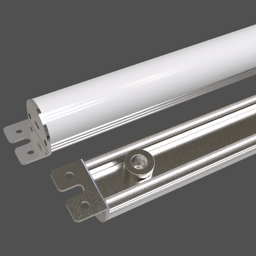
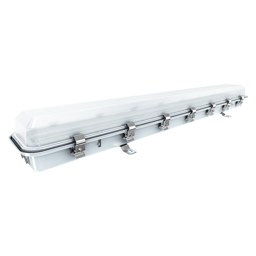
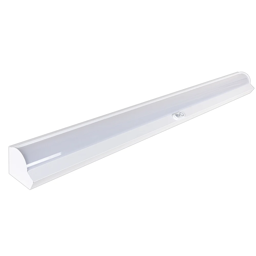
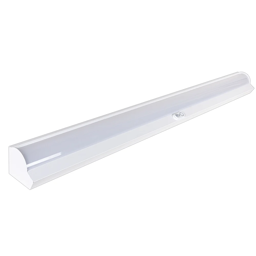
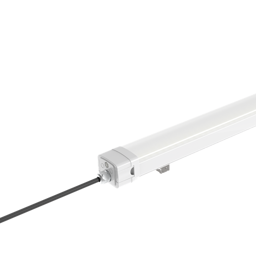
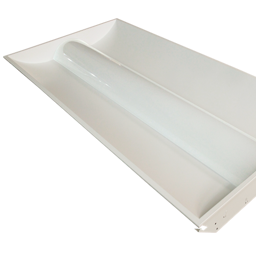
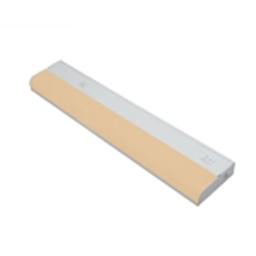
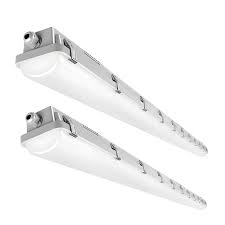
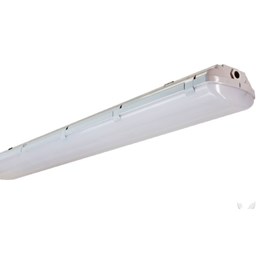
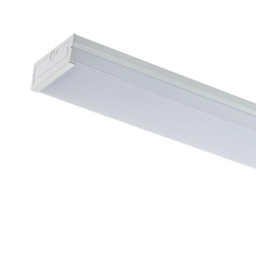
These are the everyday heroes. Usually a long, slim light on the wall or ceiling of each landing.
- Energy efficiency: The U.S. Department of Energy says LEDs use at least 75% less energy than old-school incandescent bulbs. That’s a big chunk off the bill.
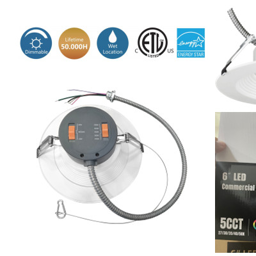
- Lifespan: A lot of commercial stairwell LED lights are rated for 50,000 to 100,000 hours. For lights that stay on day and night, that’s huge.
- Commercial use: They’re the go-to for offices, apartments and schools. Tough, bright and you mostly forget they’re there (in a good way).
Motion Sensor Stairwell Lighting
These lights have a little sensor built in. Someone walks in, the light gets bright. Nobody around, it dims down or turns off.
- Automatic control: No switches. Nobody has to remember anything.
- Energy savings: Stairs are empty most of the day, so you save a lot.
- Occupancy detection: Many use “bi-level” sensors. That’s a fancy way of saying the light drops to low instead of going totally dark, so you never walk into a black stairwell.
Staircase Wall Lights
Wall lights are handy when the ceiling is really high or hard to reach.
- Looks: In lobbies, hotels and homes, staircase wall lights add a bit of style and make the space feel warmer.
- Aimed light: Low wall lights or step lights point light right where your feet go. Fewer shadows on each step.
Emergency Stairwell Lighting
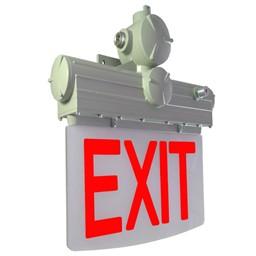
This is the light that keeps going when the power doesn’t.
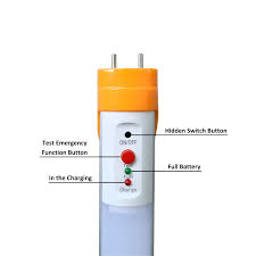
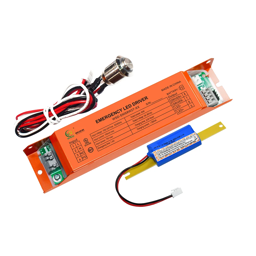
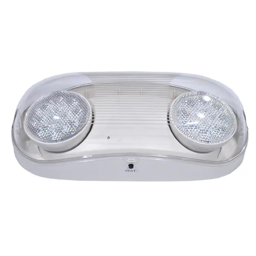
- Backup light: Lights witha built-in battery (or hooked up to a generator) come on by themselves during a blackout.
- Safety during outages: Under the IBC, emergency lights on exit routes have to run for at least 90 minutes and give an average of at least 1 footcandle at floor level when they first come on. Enough to get everyone out safely.
How to Choose the Best Stairwell Lighting
This is the part where most people get stuck. So let’s make it easy. You really only need to answer three questions: How bright? What color? Where does it go?
Brightness Requirements
Two words you’ll see a lot:
- Lumens = how much light comes out of the fixture.
- Footcandles = how much of that light actually lands on the stairs.
The code cares about footcandles. Here’s an easy way to think about it. One footcandle is one lumen spread over one square foot. So to hit 10 footcandles on a landing, you need enough light to cover the whole walking area, not just the spot right under the fixture. Many commercial stairway light fixtures put out somewhere between 2,000 and 5,500 lumens, and most stairwells need about one per landing.
Coverage matters too. One super bright light in the middle can still leave the top and bottom steps in the dark. Even light on every step beats one bright spot.
Visibility is the whole point. You want to clearly see the front edge of each step. Not sure if your stairs are bright enough? A cheap light meter (or a lighting pro) can tell you in a few minutes. Honestly, we wish more building managers did this. It’s quick, and it takes the guesswork out.
Color Temperature
Color temperature is measured in Kelvin (K). It changes how the light feels.
- Warm (2700K to 3000K): Soft and cozy, like a living room lamp. Nice in homes and hotels, but it can feel a bit dim in a busy office stairwell.
- Neutral (3500K to 4000K): A clean, balanced white. This is our pick for most offices, apartments and schools.
- Cool (5000K and up): Crisp and bright, close to daylight. Great for warehouses, garages and back stairs where seeing clearly matters more than mood.
Quick tip: A lot of newer lights let you pick the color with a little switch. Handy if you manage more than one building.
Fixture Placement
- Ceiling mounting: Works well over landings with normal ceiling heights. Easy to spread light around.
- Wall mounting: Better for tall stairwells where nobody wants to climb up to the ceiling. Put them on landings or along the wall so light falls across the steps.
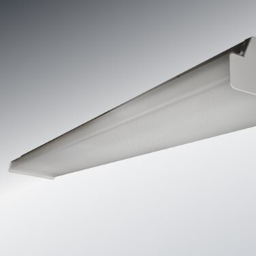
- Linear placement: Long, thin lights along the stairs give smooth, even light with fewer shadows. You see these a lot in modern buildings.
One thing we always say: light the top and the bottom of every flight. That’s where people usually misjudge a step.
Motion Sensor Lighting for Stairwells: Is It Worth It?
Short answer: usually, yes. But let’s talk about why, and where it can go wrong.
Picture your stairwell right now. How often is someone actually on it? In a lot of offices, people take the elevator. The stairs might see a few trips an hour. Meanwhile, the lights are on all day, all night, every day. That’s a lot of electricity lighting up an empty room. This is exactly where motion sensor lighting pays off.
Why people love it:
- Lower energy bills. The lights only run at full power when someone’s there.
- Less maintenance. Lights that spend most of their time dimmed tend to last longer. Fewer ladder trips for your maintenance team.
- It’s just easier. No switches, no timers, nobody forgetting to turn things off.
What to watch out for:
- Where the sensor goes. If the sensor can’t “see” the bottom of the stairs, someone might walk onto a dim landing. Place sensors so they spot people as they come in, not halfway up.
- Setup. Some lights have the sensor built in. Others need a separate sensor and extra wiring. Settings like hold time (how long the light stays bright after the last movement) also need to be set up right.
One thing we always flag: don’t let the stairs go totally dark. A setup that drops to a low glow means nobody steps into a pitch-black stairwell. A lot of local codes expect this anyway, so check with your inspector if you’re unsure.
| Traditional lighting | Motion sensor lighting |
| Always on | Turns on or brightens when needed |
| Uses more energy | Uses less energy |
| Needs replacing more often | Lasts longer |
| No setup needed | Needs good sensor placement and settings |
Commercial Stairwell Lighting Applications
Every building uses its stairs a bit differently. Here’s how commercial stairwell lighting tends to look in real life.
- Office buildings: Quiet for hours, then suddenly busy at lunch or during a fire drill. Motion sensors with a low standby glow are a perfect match.
- Apartments: People use the stairs at all hours, often with groceries or kids in tow. Steady light with no glare, plus solid emergency backup, matters most here.
- Hotels: Guests don’t know the building. Clear, friendly light helps them feel safe. Main staircases often add staircase wall lights for a nicer look.
- Schools: Stairs fill up fast between classes. Tough, hard-to-break lights and bright, even coverage keep everyone moving safely.
- Healthcare facilities: Hospitals and clinics need reliable lights that are easy to clean, plus strong emergency backup, since stairs may be used to get patients out.
Stairwell Lighting Design Ideas
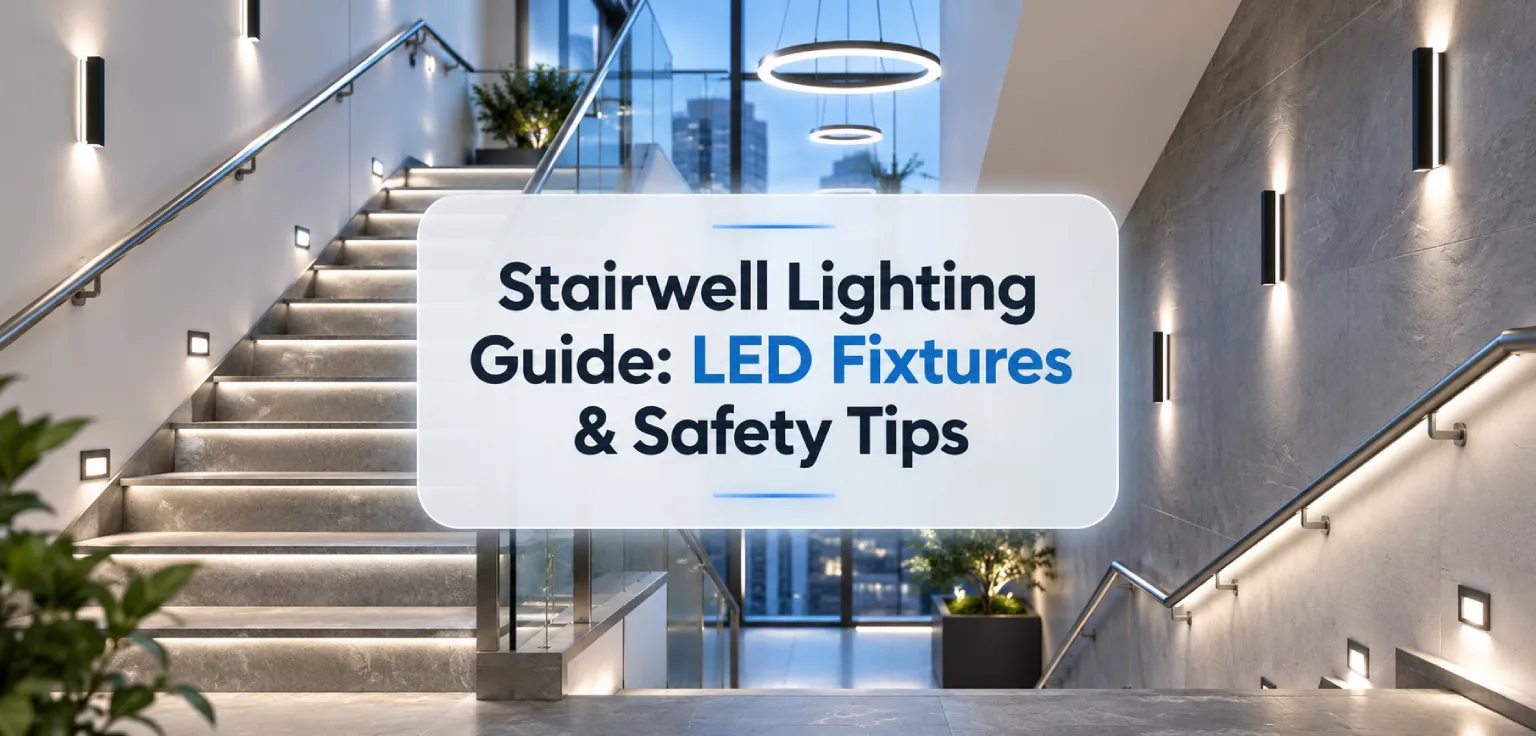
Who says a stairwell has to look like a parking garage? Here are a few stair lighting ideas that look good and still keep people safe.
- Minimalist LED strips: Thin strips under each step or along the handrail look clean and modern. LED stair lights like these also make every step easy to spot.
- Wall washers: These spread a soft glow down the wall. The whole space gets brighter, with no glare in anyone’s eyes.
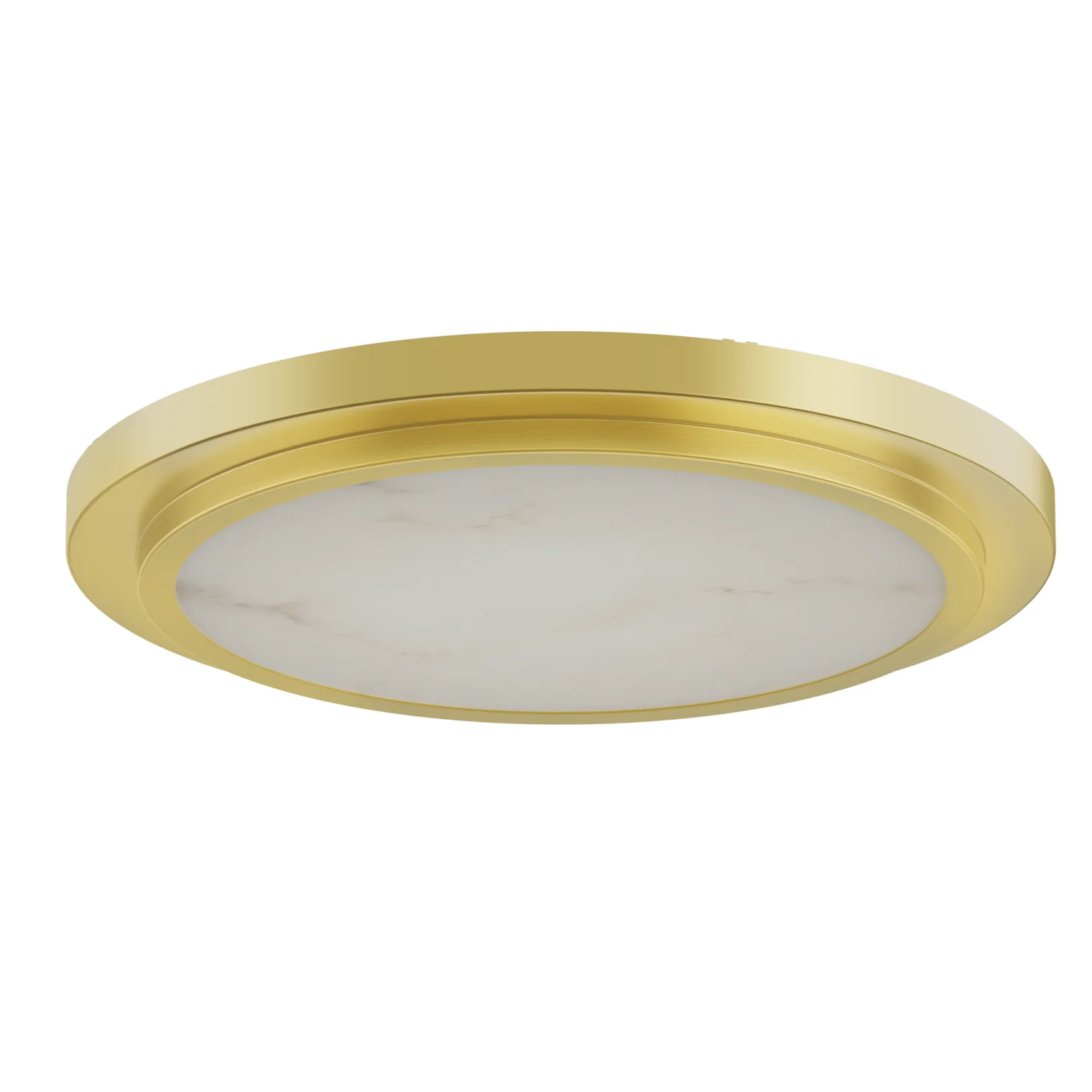
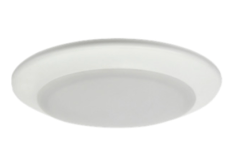
- Modern fixtures: Sleek linear lights or round flush lights can make a boring stairwell match the rest of the building.
- Architectural lighting: Lights built into the wall or hidden along the side of the stairs make the staircase part of the design, not just the way out.
Our favorite stair lighting ideas mix two things: one layer for safety (even light from above) and one layer for style (wall or step lights). You don’t have to choose between safe and good-looking.
LED Stairwell Lighting Benefits
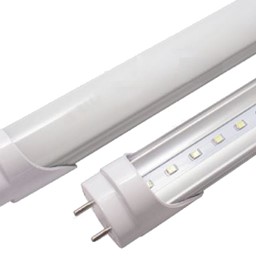
Still running old fluorescent tubes on your stairs? Here’s why it might be time to switch.
- You save on energy: LEDs use a small slice of the power older bulbs need. In a stairwell that’s lit day and night, you’ll notice it on the bill pretty fast.
- They last a long time: Many stairwell LED lights are rated for tens of thousands of hours. Fewer burnouts, fewer dark landings.
- Less upkeep: No more swapping tubes and ballasts every year or two. Your maintenance team will thank you.
- Safer stairs: LEDs turn on fully bright right away. No flicker, no slow warm-up. That’s exactly what you want the second someone opens the stairwell door.
Stairwell Lighting Installation Considerations
Picking the right light is only half the job. Putting it in the right way is the other half.
Electrical requirements: Check your building’s voltage first. Many commercial lights work with a wide range, like 120 to 277 volts, but it’s worth a quick check. Want emergency backup? Then you’ll need lights with a battery pack or a hookup to a generator.
Fixture spacing: Plan for light on every landing and at the top and bottom of each flight. Long or wide stairs may need extra lights in between. Bad spacing is the number one reason stairwells end up with dark spots.
Maintenance access: This one gets missed all the time. If a light hangs high over an open stairwell, changing it might mean renting scaffolding. (Not fun. Not cheap.) Whenever you can, mount lights where someone can reach them safely with a normal ladder.
Professional installation: For commercial buildings, we always recommend a licensed electrician. They know your local codes, can set up the sensors properly and will test the emergency lights. And speaking of testing: the NFPA Life Safety Code calls for a quick 30-second test every month and a full 90-minute test once a year for battery-powered emergency lights.
Stairwell Lighting Buying Checklist
Before you hit “order,” run through this quick list:
- Building type: Office, apartment, school, hotel, hospital or warehouse?
- Stairwell size: How many flights and landings? How high are the ceilings?
- Required brightness: Will your lights reach 10 footcandles on the stairs?
- Sensor needs: Do you want sensors built in? Do they dim to a low glow instead of shutting off?
- Emergency backup: Do you need battery backup that lasts at least 90 minutes?
- Energy goals: Are you trying to lower bills, meet an energy code or qualify for a rebate?
If you can answer all six, you’re in great shape to pick the right stairwell lighting.
Wrapping Things Up
Stairwells don’t get much love. Nobody gives tours of them. But they’re one of the most important spaces in any building, and good stairwell lighting goes a long way toward keeping people safe.
The good news is the basics are pretty simple:
- Aim for at least 10 footcandles on the stairs.
- Light every landing, plus the top and bottom of each flight.
- Go with LEDs to save energy and cut down on maintenance.
- Add motion sensors that dim to a low glow if your stairs are quiet most of the day.
- Make sure emergency lights can run for at least 90 minutes if the power goes out.
Planning an upgrade? Start with the checklist above. And if you want a hand choosing lights for your project, the Mesla Lighting team is always happy to talk commercial stairwell lighting with you. No pressure, just honest advice.
FAQs
What type of lighting is best for stairwells?
For most commercial buildings, LED lights with a built-in motion sensor and battery backup are the best all-around pick. They’re bright, they save energy and they cover you in an emergency. For homes and hotels, staircase wall lights or LED stair lights add a softer, nicer look.
How many lumens does a stairwell need?
It depends on how big your stairwell is. Codes actually measure light in footcandles on the stairs, and US codes ask for at least 10 footcandles on exit stairs when they’re in use. In real life, that often means one light of about 2,000 to 5,500 lumens per landing. A light meter is the easiest way to know for sure.
Are motion sensor stairwell lights worth installing?
Most of the time, yes. Stairs are empty a lot, so motion sensor lighting can really cut your energy use. Just pick lights that dim to a low glow instead of going fully dark, and put the sensor where it’ll catch people as they walk in.
What color temperature is best for stair lighting?
Neutral white, around 3500K to 4000K, works for most buildings. Warmer light (2700K to 3000K) feels cozier in homes and hotels. Cooler light (5000K) is great for warehouses and garages where you just need to see clearly.
How do LED stairwell lights save energy?
Stairwell LED lights use way less power than old bulbs or tubes for the same amount of light. Add a motion sensor, and they only run at full power when someone’s actually there. Put those two together and the savings add up fast.
Where should stairwell lights be installed?
On every landing, and make sure the top and bottom steps of each flight are well lit. Ceiling-mounted stairway light fixtures work fine for normal ceilings. For tall stairwells, wall-mounted lights are usually easier and safer to reach.
What is the difference between stairwell lighting and emergency lighting?
Stairwell lighting is the light you use every day. Emergency lighting kicks in when the power goes out so people can still get out safely. Lots of newer lights do both, with a battery that keeps them on for at least 90 minutes. Together, they make up a building’s stairwell safety lighting.
How often should stairwell lights be replaced?
Good LED lights can last 50,000 hours or more, so you might not need to replace them for years. Old fluorescent tubes usually need swapping a lot sooner. Either way, test your emergency lights every month and replace anything that flickers, gets dim or fails a test.