














































Imagine an office floor at 4 p.m. The lights suddenly go off. There are no windows around; there is no light from anywhere. In a few moments, people start reaching for their cellphones, knocking into chairs, and trying to guess where the stairs lead.
That moment is what emergency lighting is built for.And honestly, it’s where a lot of buildings fail, not because the owners don’t care, but because the lights were installed years ago and nobody has really looked at them since.
Most building operators run into the same question sooner or later: do you go with self-contained battery units or a central inverter system? Individual units are cheaper to put in. But when the time comes around every month for testing, someone will have to visit each one, which soon builds up into a lot of work. So before making your decision, it is useful to consider all three aspects.
Quick Summary
- The emergency lighting must be activated within 10 seconds after a blackout.
- It should provide for a minimum of 90 minutes of light.
- The exit paths have to get at least 1 foot-candle, no less than 0.1.
- Monthly checkups and yearly tests lasting for 90 minutes.
- LED emergency lights use less energy and reduce the maintenance frequency.
What Is Emergency Lighting?
Commercial emergency lighting is a backup life-safety network that switches on automatically within ten seconds of a utility power failure. The commercial emergency lighting network lights exit routes, doors, and fire-safety equipment so occupants can get out of the building safely.
Put simply, it’s the lighting that doesn’t go out when everything else does. You’ll see it in stairwells, along corridors, over exit doors, and near pull stations and fire extinguishers.
What makes it different is that it can’t rely on the utility feed. A proper backup lighting system has its own power, whether that’s a battery tucked inside each fixture, a big central battery bank, or a generator circuit.
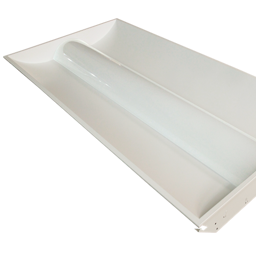
A lot of buildings end up with a mix. Some dedicated emergency light fixtures, some regular troffers with a backup driver inside. Doesn’t really matter which, as long as people can see the floor and find the door.
How Does an Emergency Lighting System Work?
The automatic emergency lighting system monitors the input utility voltage through a sense circuit that is integrated into it, maintains its battery charging when in normal operation, and automatically transfers power to the safety circuits when the utility input fails.
During a normal day, a small charger keeps the batteries full. Newer units are smarter about it and ease off once the battery’s topped up, which matters more than you’d think in a hot ceiling space.
There’s also a sensing circuit checking the voltage nonstop. Once it dips below a set point, the unit jumps to battery. Usually it’s so quick nobody notices the gap.
Bigger buildings tend to add a generator and an automatic transfer switch (ATS). NEC Article 700 says emergency power has to be there within 10 seconds. Generators sometimes cut it close, so a lot of sites still keep battery units in stairwells and other critical spots just to bridge those first few seconds.
When the power comes back, the backup lighting system hands things back to the utility on its own and starts recharging. Most manufacturers figure on roughly 24 hours to get back to a full charge.
Types of Emergency Lighting Systems
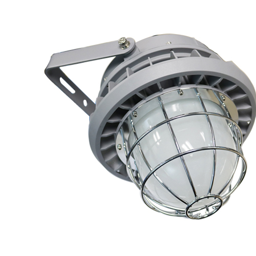
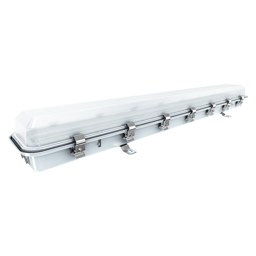
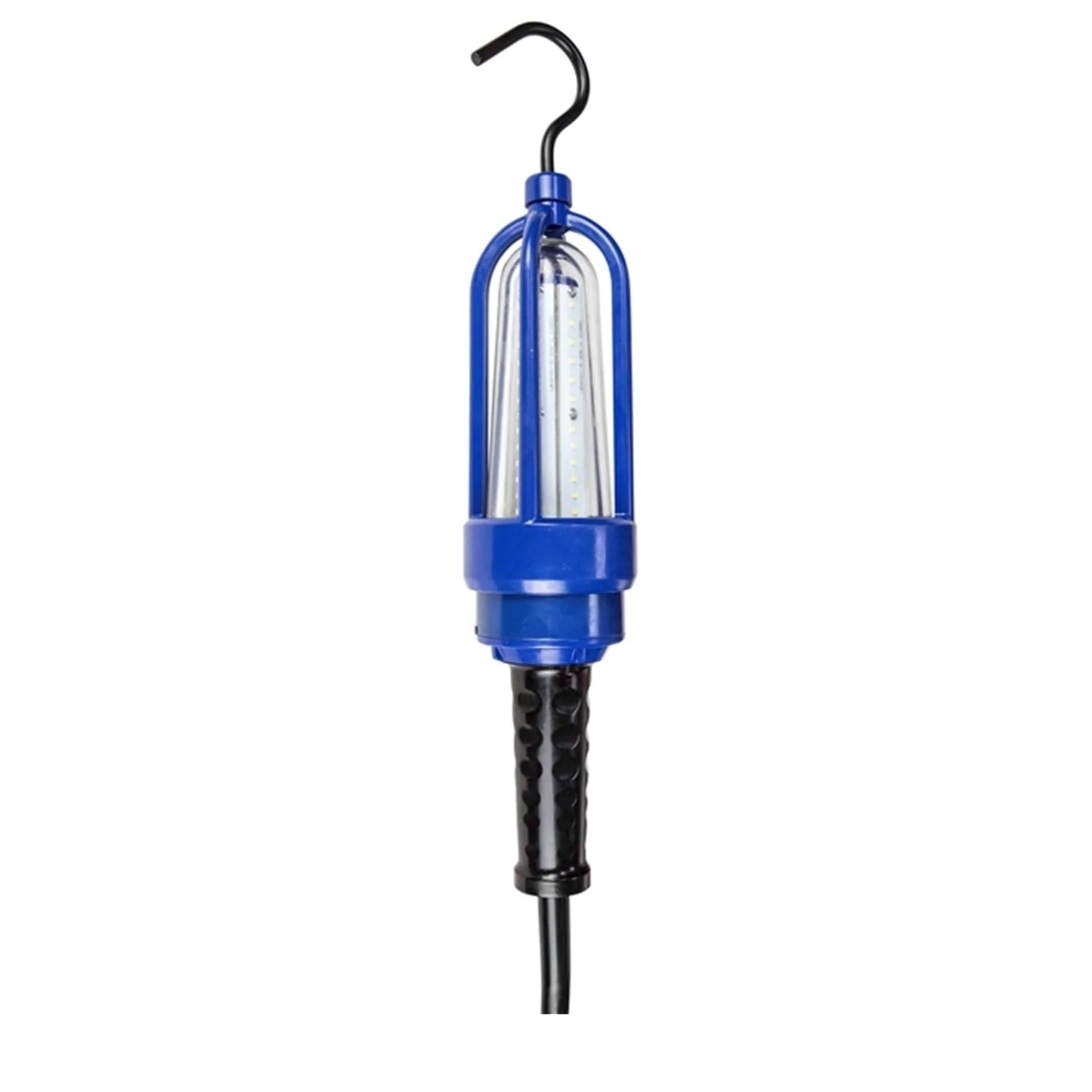
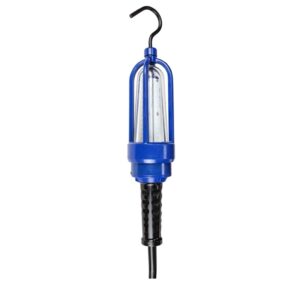
Selection of commercial emergency lighting systems can be narrowed to five different types, including individual battery packs, centralized battery systems, exit signs, lighting inverters, and LED lights integrated into conventional lighting fixtures. Selection of emergency lighting system combination will depend on building size and codes.
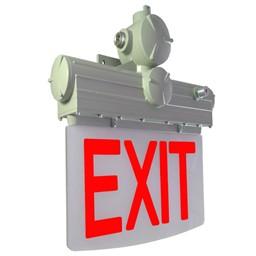
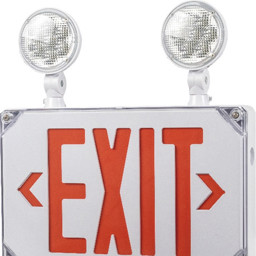
- Exit signs are the ones everybody knows. Today almost all exit emergency lights run on LEDs, and a decent one can sit there for years without much fuss.
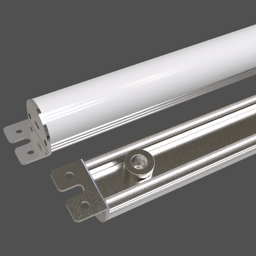
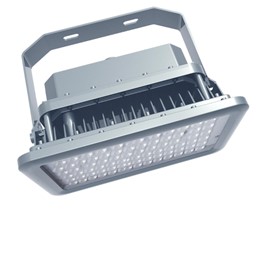
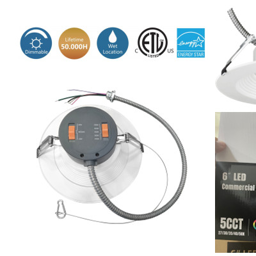
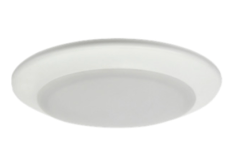
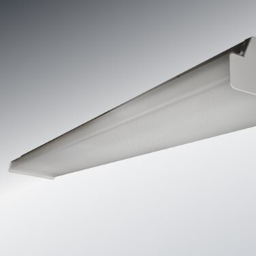
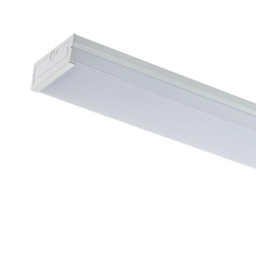
- Emergency LED fixtures look like normal ceiling or wall lights. They work every day like any other fixture, then switch to an internal battery when the power drops.
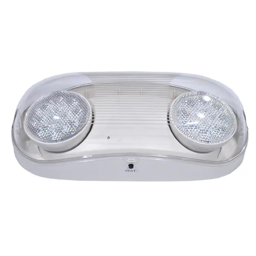
- Standalone battery units are those twin-head “bug-eye” boxes on the wall. Cheap, quick to install, each with its own battery and test button. Not pretty, though.
- Central battery systems keep one big bank of batteries in an equipment room. Power is supplied to the remote heads from fire-rated wiring.
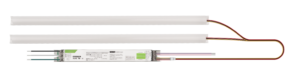
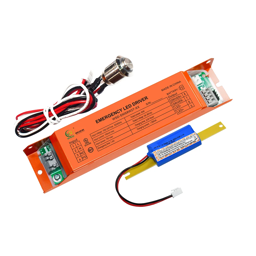
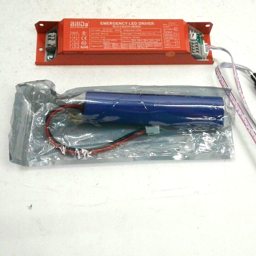
- The inverters of an emergency lighting system convert DC power into AC power, thereby enabling your usual luminaires to continue operating even when there is a power failure.
Emergency Lighting Requirements for Commercial Buildings
Emergency lighting requirements say commercial properties need at least ninety minutes of continuous backup light along every exit path. Emergency lighting requirements like the ninety-minute rule come from NFPA 101, the International Building Code, and the International Fire Code.
Most of the numbers trace back to NFPA 101, and the IBC follows along pretty closely. For commercial emergency lighting, the main targets are:
| Requirement | Code Target |
| Runtime | 90 minutes minimum |
| Average light on exit path | 1 foot-candle (10.8 lux) at floor level |
| Lowest point allowed | 0.1 foot-candle (1 lux) |
| Max-to-min ratio | No worse than 40:1 |
What is overlooked here: NFPA 101 allows the average to be reduced to 0.6 foot-candles at the end of the 90 minutes. The batteries lose power, and NFPA 101 considers that in the calculation. AHJ (Authority Having Jurisdiction) may have their own requirements.
It really depends on the structure itself. If it is an office building, then corridors, stairs, large open areas, and electrical rooms must be considered. It is difficult to determine the lighting needs for warehouses since the presence of tall racks creates shadows.
A retail environment requires coverage of both the sales area and the corridor, since a buyer will not know where the exit in the back will be. Industrial sites need adequate illumination to allow for machinery shutdown and not just escape. Public buildings, such as schools and assembly halls, receive the most rigorous inspection.
Emergency Lighting Testing and Maintenance Guide
Code-compliant testing of emergency lights requires a thirty-second test each month and a complete ninety-minute battery test annually. All tests should be recorded in an official log for inspector viewing purposes.
Monthly testing is pretty simple. Press the test button (or flip the circuit breaker for the lights) and walk the floors. All heads must illuminate and aim towards the path ahead and not towards the ceiling or a relocated wall.
While you’re there, glance at the charge indicator and battery voltage. Anything dead or dim gets tagged, fixed, and tested again. Then write it all down: date, result, who did it.
That last part is where buildings get burned. Inspectors will ask for records, and if there’s nothing on paper, as far as they’re concerned, the test never happened. A simple digital log with timestamps saves a lot of headaches.
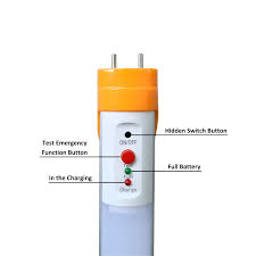
Some newer units do self-diagnostic checks and handle monthly emergency light testing on their own, flashing a status light when something’s wrong. Handy, but batteries still wear out. Plan on swapping most of them every 3 to 5 years, sooner if they live in a hot attic or boiler room.
Emergency Lighting vs Exit Lighting: What’s The Difference?
Emergency lighting illuminates floors, stairs, and pathways when power is lost, whereas exit lighting identifies exit doors and directions continuously. Both exit lighting and emergency lighting are required for commercial buildings to ensure safe exit from the building.
Simplest approach to consider: the exit sign indicates the path that you need to take, and the emergency lights help you see the floor when taking the route. Exit emergency lights are lit all the time. Most emergency lights remain off except for when there is a power failure.
| Feature | Emergency Lighting | Exit Lighting |
| Purpose | Lets people see the path | Shows people where the exit is |
| Location | Halls, stairs, open floors, equipment rooms | Over exit doors and at turns in the route |
| Power Source | Battery, inverter, or generator in an outage | Normal power daily, battery when it fails |
| Usage | On only when power drops | On all the time |
Battery Backup Lighting vs Centralized Emergency Systems
Local battery backup lighting vs. a central emergency lighting system is dependent on whether there are batteries for each light or a single battery for an equipment room. The size of the building and its maintenance staff determine the appropriate type of emergency lighting.
Smaller buildings usually go with battery backup lighting. No special room, no long fire-rated wire runs. You hang the unit, tie it into the nearest circuit, and move on.
A central backup lighting system costs more up front. But every battery lives in one room, so testing is a walk down one hallway instead of a ladder and a few hundred fixtures.
| Factor | Battery Backup Packs | Central Inverter Systems |
| Installation Complexity | Low, wires to a local circuit | High, needs its own room and rated feeders |
| Maintenance Overhead | High, each unit tested and replaced separately | Low, most work happens in one spot |
| Long-Term Cost | Goes up as fixture count grows | Cheaper per fixture in big buildings |
| Best Use | Small offices, shops, renovations | Hospitals, campuses, high-rises, big warehouses |
How To Choose The Right Emergency Lighting Solution
The choice of the appropriate emergency lighting system would be determined by such factors as the area to be covered, aesthetics of the area, duration of time, number of units required, and the wiring system. Analyzing all these factors concerning emergency lighting together can help prevent costly changes.
Don’t start with a catalog. Start with a photometric layout. A lighting designer can map the foot-candle levels along every exit route and show you exactly where it gets too dark.
Size is usually the first filter. Big floor plans with lots of fixtures tend to favor a central system, simply because testing hundreds of separate units gets old fast. High ceilings would be the other example since, for you to make it to the floor numbers, you will require either brighter heads or more compact spacing.
Then comes appearances. It is usually difficult to convince an architect to install bug eyes in a good lobby area. Some buildings, like labs or data centers, also choose runtimes well past 90 minutes.
Then there’s wiring. Retrofits usually lean toward self-contained units because pulling new fire-rated circuits through finished walls is expensive. New construction can plan the whole thing from day one.
At the end of the day, the best emergency lighting system is the one your maintenance crew will actually test on time. A beautiful design that nobody checks won’t help much when the lights go out for real.
Benefits of LED Emergency Lighting
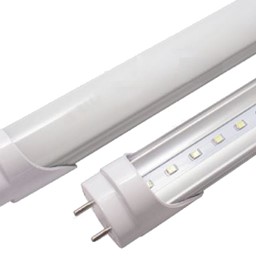
Emergency LED lights help to save energy, increases the life of the fixtures, reduce the time needed for maintenance on a monthly basis, and also maintain constant light even during a power outage. In commercial properties, LED emergency lighting provides reliable exit lighting at lower costs.
LEDs pull a lot less power than the old incandescent or fluorescent heads. So a smaller battery can hit 90 minutes, or the same battery can run longer.
They also last a long time, often 50,000 hours or more, which means lamp changes basically stop being a thing. They come on at full brightness right away, too. No warm-up.
Less heat is a quiet bonus. The battery sitting in that housing lives longer when it isn’t baking. And good LED drivers keep brightness fairly steady even as the battery drains toward the end of the test.
Common Emergency Lighting Mistakes To Avoid
Four common emergency lighting errors are using the wrong fixture, improper fixture placement at exits, insufficient light output, and the absence of monthly or annual testing. Solving those four issues will resolve most cases of failed inspections.
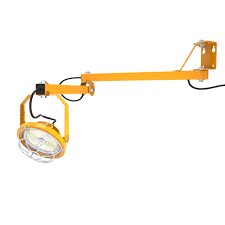
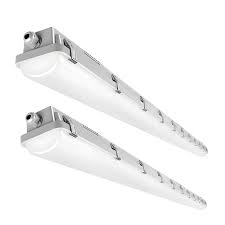
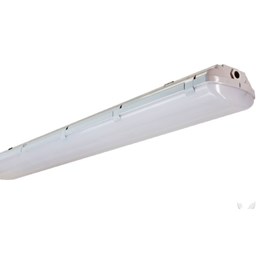
The fixture mistake shows up in odd spaces. Regular emergency lights do not perform well under freezing temperatures and in washdown zones or dangerous areas requiring a rated housing.
There is always a pattern when it comes to gaps in the installation: usually it occurs at staircases’ landings, corridor corners, and just outside the exit doorway. Inspectors know to look there.
Low light output usually comes from spacing fixtures by eye instead of following the manufacturer’s spacing charts. That’s how you end up with dark patches under 0.1 foot-candle.
Skipped testing is probably the most common one, and the easiest to avoid. Renovations are the sneaky one. Move a wall or add a row of racks, and coverage that passed last year might not pass now.
Final Thoughts
Safe management of a commercial property involves the maintenance of the emergency lighting system as a continual safety and financial investment.Reliable fixtures, testing, and good records ensure the safety of the occupants and maintain compliance of the emergency lighting system year after year.
Emergency lighting is not considered until the moment when something bad happens, and at that time, nothing can be done. Make sure that your layout is updated after renovations, that lenses are clean, that batteries are changed before expiration, and keep accurate test results. It may not be very exciting, but it is necessary to protect the occupants and the property.
FAQs
What is emergency lighting and how does it work?
Back-up lights during power outages. These lights automatically turn on when there is a power outage using either battery or generator power. They guide you to safety.
How long should emergency lighting operate during a power outage?
At least 90 minutes. Both NFPA 101 and the IBC set 90 minutes as the minimum. Some buildings go longer for extra margin.
What are the different types of emergency lighting systems?
Five main types exist. Exit signs, LED emergency fixtures, standalone battery backup lighting units, central battery systems, and lighting inverters.
How often should emergency lights be tested?
Each month and then once per year. A proper emergency light test consists of a 30-second test each month followed by a full 90-minute test once per year.
What is the difference between emergency lighting and exit lighting?
Exit lights are always on and indicate the way out. The emergency lights turn on only during power failure and illuminate the way.
Are LED emergency lights better than traditional emergency lights?
Absolutely, in almost all cases. The reason being that LED emergency lights consume low amounts of energy and last much longer than conventional lights.
Where is emergency lighting required?
Along every exit path. That usually includes corridors, stairwells, exit discharge areas, and large open floors. Your AHJ may require more.
How do I choose the right emergency lighting system?
Start with building size. Then look at ceiling height, runtime, fixture count, and existing wiring. A photometric layout will confirm the coverage before anything gets installed.