




























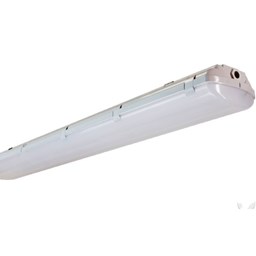

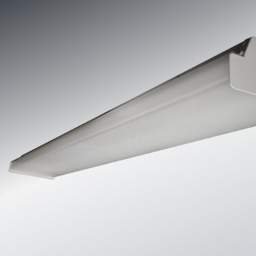
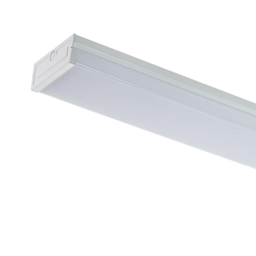

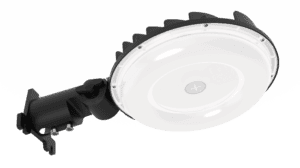


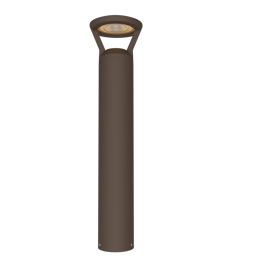
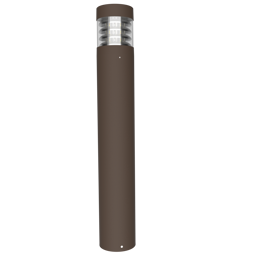

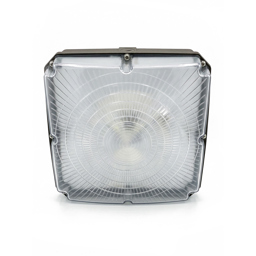
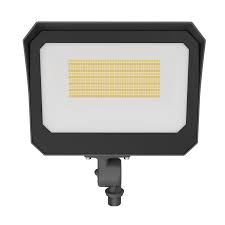
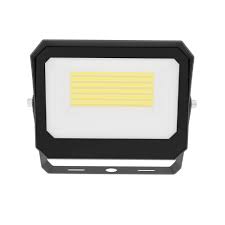


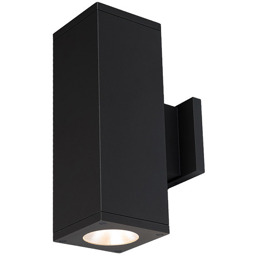

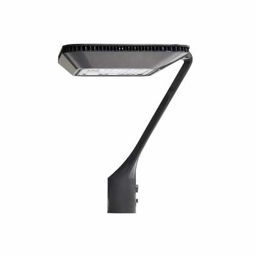



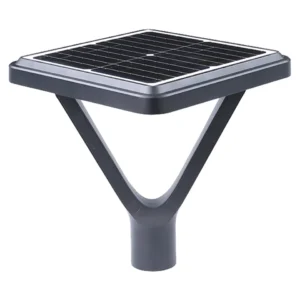
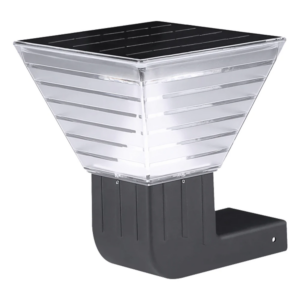

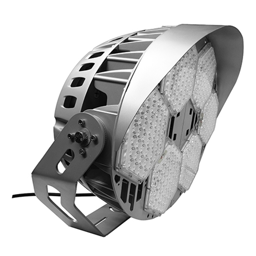

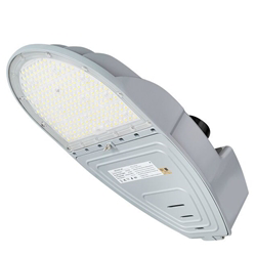

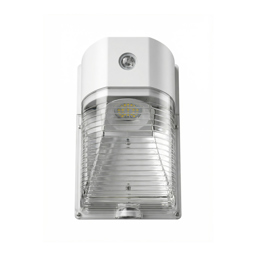
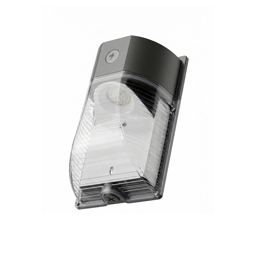

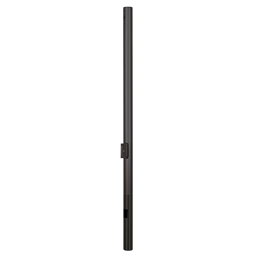


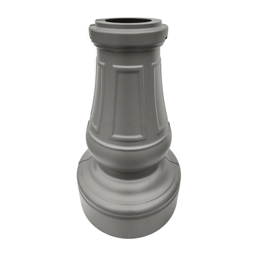






Solar lighting is rapidly becoming one of the most practical solutions for modern outdoor infrastructure. Solar Street Lights use renewable energy from the sun to power high-efficiency LED lamps, reducing electricity costs while supporting sustainable living. Unlike traditional lighting systems that rely on grid electricity, solar lights operate independently, making them ideal for remote and urban areas alike.
The growing demand for best solar street lights comes from their ability to combine performance, savings, and environmental benefits. Governments, businesses, and homeowners are increasingly shifting toward solar solutions for roads, parking areas, gardens, and public spaces. These systems are no longer basic; they now include smart sensors, motion detection, and long-life lithium batteries.
In this guide, you will learn how solar street lights work, their types, pricing factors, and how to choose the right system. Whether you are comparing commercial solar street lights or residential options, this guide will help you make a smart and informed decision.
Key Takeaways
- Solar street lights use sunlight, batteries, and LEDs for off-grid lighting
- They reduce electricity bills and long-term maintenance costs
- Types include residential, commercial solar street lights, and industrial systems
- Motion sensors improve energy efficiency and battery life
- Battery type (Li-ion or LiFePO4) impacts durability and performance
- Proper IP rating ensures weather resistance and long lifespan
- Installation is easier than traditional wired lighting systems
- ROI is high due to zero electricity consumption
- Outdoor solar street lights work well in remote and urban locations
- Choosing the right lumen output ensures proper brightness
Solar Street Lights Explained: How They Work
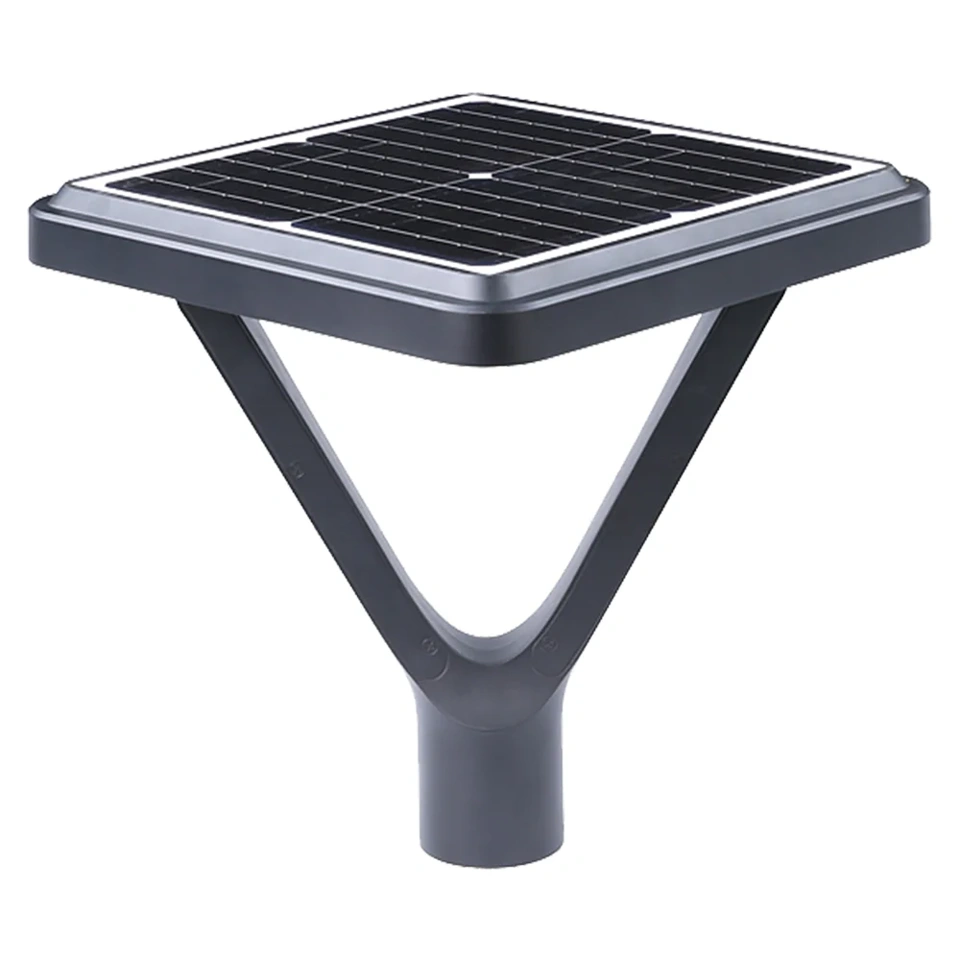
Solar street lighting systems function through a simple energy conversion cycle. During the day, solar panels absorb sunlight and convert it into electrical energy. This energy is stored in rechargeable batteries for nighttime use. At sunset, the system automatically activates LED lights using stored power.
The efficiency of Solar Street Lights depends largely on the quality of the solar panel. High-performance panels can capture more sunlight even during cloudy conditions, ensuring continuous operation. This makes them reliable in different weather environments.
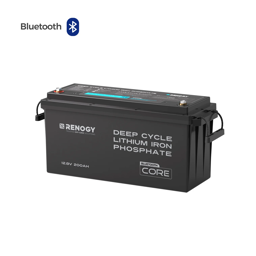
The battery plays a critical role by storing energy for nighttime use. Modern systems use lithium-ion or LiFePO4 batteries because they offer long life cycles, faster charging, and stable performance. These batteries ensure uninterrupted lighting throughout the night.
LED technology is another important component. LEDs consume very little energy while producing bright illumination. Combined with smart sensors, outdoor solar street lights automatically turn on at dusk and off at dawn, ensuring fully automated operation with zero manual control required.
Feature Article: LED Troffer Lights: Energy-Efficient Lighting for Any Space
Types of Solar Street Lights (Commercial, Outdoor & Industrial)
Solar street lights come in different categories depending on usage, brightness level, and installation environment. Each type is designed to meet specific lighting requirements efficiently.
Outdoor Solar Street Lights (Residential & Public Use)
Outdoor solar street lights are commonly used in gardens, pathways, small roads, and residential communities. These lights offer moderate brightness and are easy to install without wiring. They are ideal for homeowners and small public areas looking for cost-effective lighting solutions. Their simple design makes them low maintenance and highly reliable for daily use.
Commercial Solar Street Lights (Business Areas)
Commercial solar street lights are designed for high-traffic environments like parking lots, shopping centers, and business districts. These systems provide stronger illumination and larger battery storage capacity. They are built for continuous operation and enhanced security. Businesses prefer them because they reduce electricity costs while ensuring well-lit commercial spaces.
Industrial Solar Street Lights
Industrial-grade solar lights are used in factories, warehouses, and logistics hubs. They are extremely powerful and designed for harsh environments. These lights offer high durability, weather resistance, and long operating hours. They are suitable for large-scale operations requiring consistent lighting.
Hybrid Solar Street Lights
Hybrid systems combine solar power with grid electricity. They ensure uninterrupted lighting even during low sunlight conditions. These are used in critical areas like highways and emergency zones.
Smart Solar Street Lights
Smart systems include motion sensors, remote monitoring, and adaptive brightness control. They optimize energy usage and are widely used in smart city projects.
Feature Article: Best Lighting Tips for Architecture to Enhance Your Space Design
Solar Street Lights vs Traditional LED Street Lights (Comparison Guide)
Solar lighting systems differ significantly from traditional LED street lights in cost, efficiency, and environmental impact. Solar systems use renewable energy, while traditional systems depend on electricity from the grid. This makes solar lighting more sustainable in the long run.
One major difference is installation. Solar systems require minimal setup and no underground wiring. Traditional systems need complex electrical infrastructure, increasing installation cost and time. Over time, solar solutions become more economical.
Maintenance is another key factor. Solar systems require less maintenance due to fewer electrical components. Traditional lighting systems often need regular wiring checks and higher upkeep costs.
Comparison Table
| Feature | Solar Street Lights | Traditional LED Lights |
| Energy Source | Solar energy | Grid electricity |
| Installation Cost | Moderate upfront | Lower initial but wiring cost |
| Maintenance Needs | Low | Higher maintenance required |
| Lifespan | 8–15 years | 5–10 years |
| ROI / Payback Period | 2–4 years | Long-term operational cost |
| Environmental Impact | Zero emissions | Higher carbon footprint |
Feature Article: Commercial LED Lights: Your Complete Efficiency Guide
Key Features to Choose the Best Solar Street Lights
Choosing the right system requires understanding performance, durability, and environmental compatibility. Each feature plays a role in ensuring long-term efficiency.
Battery Type Selection
Battery type is one of the most important factors in determining how reliable Solar Street Lights will be over time. Lithium iron phosphate (LiFePO4) batteries are widely preferred because they last longer, charge efficiently, and perform well in extreme temperatures. Compared to Li-ion batteries, they offer better stability, safety, and more charging cycles. This makes them ideal for best solar street lights used in outdoor environments where consistent performance is required throughout the year, regardless of weather conditions or seasonal changes.
Lumen Output and Brightness
Lumen output directly defines how bright Solar Street Lights will be in real-world conditions. Higher lumen ratings are essential for highways, industrial zones, parking lots, and commercial areas where visibility and safety are critical. Lower lumen output is suitable for residential streets or gardens where softer lighting is preferred. Choosing the right brightness level ensures energy efficiency while maintaining visibility. Proper balance between power consumption and illumination helps improve safety, reduce glare, and optimize long-term lighting performance for different environments.
IP Rating and Weather Resistance
The IP rating determines how well Solar Street Lights can withstand environmental elements like dust, rain, and humidity. A higher IP rating ensures stronger protection, especially for outdoor solar street lights exposed to harsh weather conditions. This feature is crucial for long-term durability and consistent performance. Without proper sealing and weather resistance, internal components can fail quickly. Therefore, selecting lights with strong waterproof and dustproof ratings ensures reliability, reduces maintenance costs, and extends the overall lifespan of the system.
Motion Sensor Efficiency
Motion sensors significantly improve the energy efficiency of Solar Street Lights by adjusting brightness based on movement. When no activity is detected, the light dims automatically, saving battery power. Once motion is detected, brightness increases instantly for safety and visibility. This smart feature extends battery life and reduces unnecessary energy consumption. It is especially useful in low-traffic areas, pathways, and residential streets where constant full brightness is not required, making the system more intelligent, cost-effective, and environmentally friendly.
Build Quality and Durability
Build quality plays a major role in determining how long Solar Street Lights will last under outdoor conditions. High-grade materials like aluminum alloy casings provide strength, corrosion resistance, and heat dissipation. Durable construction ensures the system can withstand wind, rain, heat, and physical impact. For outdoor solar street lights used in highways or industrial zones, strong build quality is essential. It reduces maintenance needs, prevents early damage, and ensures stable performance even in extreme environmental conditions over many years.
Commercial Solar Street Lights: Applications & Business ROI
Businesses and municipalities are rapidly adopting solar lighting for cost savings and sustainability. Commercial solar street lights are widely used in parking areas, industrial zones, campuses, and public roads.
In parking lots, solar lighting improves security while reducing electricity costs. Industrial facilities use them for round-the-clock illumination without grid dependency. Schools and campuses benefit from safer environments and lower maintenance requirements.
ROI is one of the strongest advantages. Businesses save significantly on electricity bills since solar systems operate independently. Maintenance costs are also reduced due to fewer electrical components.
Over time, the investment pays for itself, making solar lighting a smart long-term solution. Many organizations now prefer solar systems for both financial and environmental benefits.
Feature Article: Types of Permanent Outdoor Lighting for Tiny Homes
Solar Street Lights for Sale: Pricing, Installation & Expert Buying Guide
Pricing of solar lighting systems depends on battery size, brightness level, and additional features. Entry-level models are affordable, while advanced solar street lights for sale include smart sensors and high-capacity batteries.
Installation is simple and requires minimal technical work. Most systems are pre-assembled and only need mounting on poles. No underground wiring is required, reducing labor and installation costs significantly.
Mesla Lighting offers high-quality solar lighting solutions designed for residential, commercial, and industrial applications. Their products include reliable commercial solar street lights and advanced outdoor solar street lights that focus on energy efficiency, durability, and long-term performance.
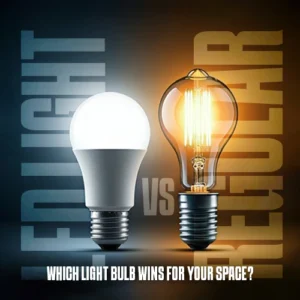
Feature Article: LED vs Regular: Which Light Bulb Wins for Your Space?
Final Thoughts
Solar lighting is transforming outdoor infrastructure by offering energy-efficient, cost-effective, and environmentally friendly solutions. Solar Street Lights are no longer optional, they are becoming a global standard for modern lighting systems. With advancements in battery technology, LED efficiency, and smart controls, solar lighting continues to outperform traditional systems.
Whether choosing residential, industrial, or commercial solar street lights, the benefits are clear: lower costs, better sustainability, and long-term reliability, as supported by cost-benefit analysis studies. Investing in the best solar street lights ensures not only financial savings but also a cleaner and smarter future for outdoor illumination, backed by solar PV research findings.
FAQs
What are the advantages of solar street lights?
They reduce electricity costs, require low maintenance, work without grid power, and are environmentally friendly.
How long do solar street lights last?
They last between 8 to 15 years depending on battery quality and usage conditions.
Are solar street lights worth it?
Yes, they provide long-term savings, low maintenance, and sustainable energy use.
How much do commercial solar street lights cost?
They vary from moderate to high cost depending on brightness, battery type, and features.What is the difference between solar and LED street lights?
Solar lights use solar energy, while LED street lights rely on electricity from the grid.