


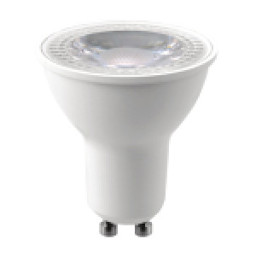
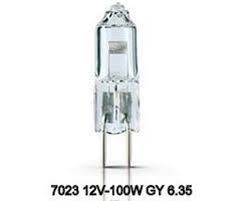

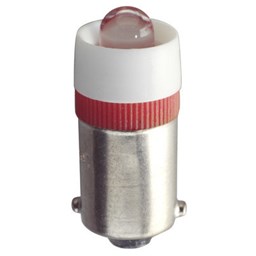








































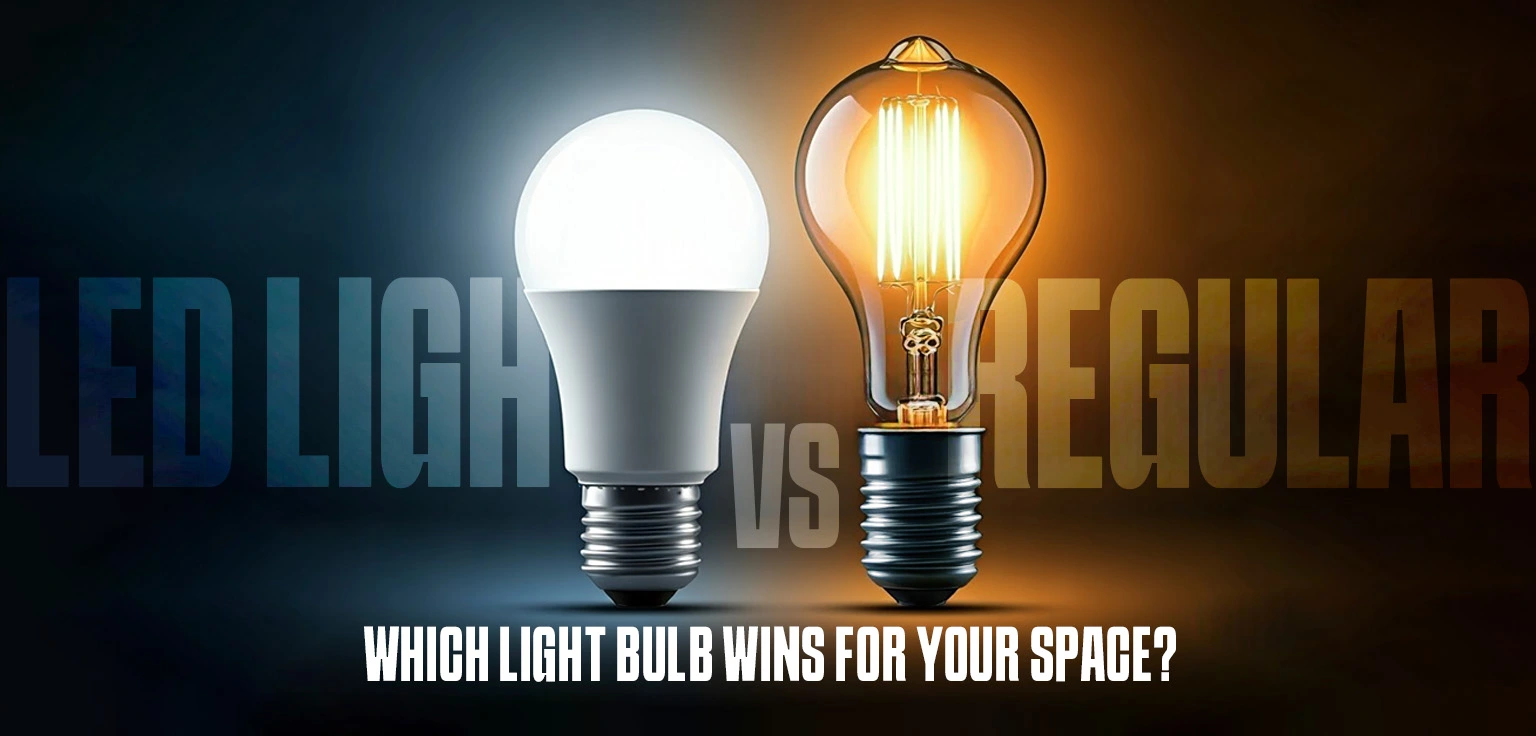
Lighting is no longer just about illumination, it shapes ambiance, comfort, and energy consumption in our homes and workplaces. Your electricity expenses and environmental impact will vary dramatically with the type of bulb you choose, as Reliant energy comparison shows that LEDs use up to 85% less electricity than incandescent bulbs while lowering overall carbon emissions. The LED versus regular bulbs comparison evaluates their performance and lifespan and price and total efficiency which assists you in making educated choices. The advancement of technology has created strong competition between traditional incandescent bulbs and energy-efficient LED lights because people need to select which lighting solution works best for their environment.
The ongoing discussion between LED lights and traditional bulbs has become relevant because homeowners and office managers and industrial operators seek to reduce energy expenses while maintaining proper illumination. LEDs or light-emitting diodes function as semiconductor devices which generate light while producing low levels of heat. The various types of regular bulbs which include incandescent and halogen and fluorescent lights produce illumination through the process of heating their filaments or gases.
Key Takeaways:
- LED bulbs convert electricity directly into light, producing minimal heat, while regular incandescent and halogen bulbs waste most energy as heat.
- LEDs use 75–90% less electricity than traditional bulbs, which results in lower monthly utility expenses for users.
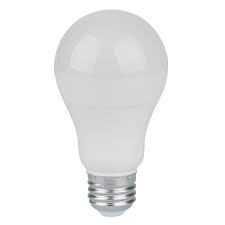
- A 10–12W LED can replace a 60W incandescent bulb, which provides the same brightness yet requires less power to operate.
- LED lights function for 25,000 to 50,000 hours, while standard bulbs only last between 1,000 and 4,000 hours.
- Homes and offices achieve cost savings because reduced heat emissions make spaces safer and cooling requirements decrease.
- LEDs provide different color temperature settings and advanced light control capabilities to meet various environmental needs.
- People need to replace traditional bulbs more often despite their lower initial costs.
- LEDs contain no mercury, which makes them an environmentally sustainable choice.
- The addition of smart compatibility features supports both automation and efficient energy control systems.
- The long-term financial benefits combined with environmental benefits make LEDs the best choice for lighting solutions.
What Are LED and Regular Light Bulbs?
The process uses LEDs as solid-state lighting devices which create light by using electroluminescence to transform electrical energy into illumination. The lighting system provides high efficiency together with extended product lifespan and multiple options for different color temperatures and brightness settings. The operating temperatures of LEDs stay below those of conventional bulbs which results in safer products that experience fewer heat-related failures. The dimmable circuits together with smart home systems make it possible for people to use LEDs in different lighting design options. The system has become the preferred lighting solution which people use in their homes and businesses and industrial environments.
The public has used standard light bulbs which include incandescent and halogen and fluorescent types for several decades. The process of incandescent bulbs creates light through the heating of tungsten filaments until they reach a glowing state, which leads to energy loss through heat. Halogen bulbs improve on this by using a halogen gas to extend filament life and efficiency slightly. Fluorescent bulbs use an electric current to excite mercury vapor, which produces ultraviolet light that phosphors convert into visible light. These bulbs need low initial costs but they use electricity at higher rates which leads to shorter operational periods when compared to LEDs. The basic differences between LED lighting and regular light bulbs create a basis which enables practical evaluation of both technologies.
LED vs Regular Bulbs: What’s the Key Difference?
LEDs and traditional bulbs have different efficiencies because they use different materials and display different performance characteristics. LEDs use semiconductors and electroluminescence to create light which produces only a small amount of heat because they transform most of their energy into light. Regular bulbs use heated filaments and gases to produce light, but they create wastefulness because they transform most of their energy into heat.
1. Energy Efficiency
According to the Energy Department, LEDs use at least 75% less energy than incandescent bulbs, producing the same brightness while reducing energy waste. The design operates efficiently because it converts all electricity to light instead of transforming it into waste heat. Traditional bulbs, particularly incandescent, are highly inefficient, with most energy lost to thermal radiation. Over a year, replacing a standard 60W incandescent bulb with an 8–12W LED can save more than $100 in electricity for multiple fixtures. The energy efficiency of LEDs results in reduced carbon emissions, which makes LEDs an environmentally friendly option that decreases operational expenses.
2. Lifespan and Durability
LEDs provide longer operating times than traditional light bulbs. The typical lifespan of incandescent bulbs ranges from 1,000 to 2,000 hours, while halogen bulbs last between 2,000 and 4,000 hours. As noted by Thomas Edison Electric, LED bulbs often last between 15,000 and 50,000 hours, vastly outliving traditional incandescent lights. The product’s extended lifespan creates advantages for all areas which include fewer needed replacements and decreased maintenance expenses and reduced environmental waste. The solid-state nature of LEDs allows them to withstand shock and vibration and temperature changes better than the fragile glass filaments which exist in traditional light bulbs.
3. Heat Emission
The main benefit of LED technology results from its ability to generate almost no heat during operation. Traditional incandescent bulbs release 90% of energy as heat which causes room temperatures to rise and increases fire hazards. Halogen bulbs produce slightly less heat than incandescent bulbs but they still generate excessive warmth. The touchable surface of LEDs remains cool which permits their installation throughout tight areas and proximity to fabrics and inside cabinetry without danger. The lower heat emissions lead to increased energy efficiency because air-conditioned spaces require less energy for cooling purposes. This feature delivers enhanced safety together with improved comfort and reduced energy costs.
4. Color and Light Quality
LEDs provide users with the ability to select different color temperatures that range from warm (2700K) to cool (6000K) light which produces a stable brightness level without flickering. Regular bulbs produce a yellowish warmer light which has a lower CRI (Color Rendering Index) that sometimes leads to color distortion. LEDs provide superior light control through their ability to produce focused beams and general lighting which maintains constant brightness throughout their operational life. This product works well in residential settings and commercial locations and industrial sites that need clear visibility for their operations.
5. Environmental Impact
According to EarthSavers, LEDs convert about 40% of energy into light and can operate 25–50k hours, reducing waste and lowering carbon emissions. Traditional bulbs especially fluorescents contain dangerous substances such as mercury which creates environmental harm through their frequent disposal. LED technology adoption leads to a reduction in landfill waste and electricity use and environmental impact. Homeowners and businesses who care about the environment now find LED lighting solutions to be essential for their sustainable living practices.
Feature Article: Types of Permanent Outdoor Lighting for Tiny Homes
How LED Lighting Saves Energy Compared to Traditional Lighting
The power-saving characteristics of LED lighting which maintains equivalent brightness to traditional lighting make it the best option for decreasing electricity expenses. An LED bulb rated at 10W can replace a 60W incandescent bulb, offering an 80% reduction in power usage. LED lights emit very little heat which enables energy efficiency while producing more light than traditional bulbs. The savings accumulate over time to provide households and offices and industrial facilities with major cost reductions. The following list presents five methods through which LED lighting achieves energy savings when compared to standard lighting solutions.
1. Lower Wattage, Same Brightness
LED technology reaches identical lumen output levels through reduced energy consumption than traditional lighting systems. A 10W LED can produce 800 lumens, equivalent to a 60W incandescent bulb. The combination of multiple fixtures with extended usage hours creates a situation where electricity expenses decrease while lighting quality remains intact.
2. Reduced Cooling Load
LEDs generate less heat which enables air conditioning systems to operate more efficiently during indoor temperature control. The use of traditional bulbs leads to increased room temperature which results in higher energy consumption for cooling purposes. LED technology helps reduce thermal load which results in lower electricity use within climate-controlled areas while boosting overall efficiency.
3. Longevity Reduces Replacement Energy
The long lifespan of LEDs leads to fewer bulb replacements which results in lower energy requirements for production and distribution and disposal of replacement bulbs. The operational power of traditional bulbs requires users to replace them multiple times which results in higher energy usage throughout their entire operational period.
4. Directional Lighting Efficiency
LEDs emit light in specific directions which results in less light being lost through unneeded illumination. Incandescent bulbs emit light in every direction which makes it necessary to use reflectors or shades for directing their light output. The directional characteristic of this equipment helps to achieve energy savings because it delivers light precisely to its designated destination without using additional power.
5. Integration with Smart Systems
Operating rooms nowadays use LED technology which can connect with smart home systems and industrial control systems for automatic dimming and timer functions and motion detection capabilities. The systems manage energy consumption by turning off lights or decreasing their brightness when there is no requirement for illumination. LED technology provides superior capacity for energy management through its advanced control features which standard bulbs cannot match.
The Pros and Cons of LED vs Regular Light Bulbs
| Feature | LED Bulbs | Regular Bulbs (Incandescent/Halogen) |
| Initial Cost | Higher upfront, cost offset over time | Low upfront cost |
| Lifespan | 25,000 – 50,000 hours | 1,000 – 2,000 hours |
| Energy Efficiency | 75 – 90% less power usage | Very low efficiency, high heat loss |
| Light Quality | Adjustable color temperature, high CRI | Warm yellow light, lower CRI |
| Heat Emission | Minimal | High, can pose fire risks |
| Environmental Impact | Mercury-free, low carbon footprint | Higher waste, some contain hazardous materials |
| Maintenance | Rarely replaced | Frequent replacement required |
LED Lighting: The Future of Home and Industrial Illumination
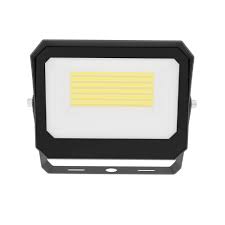
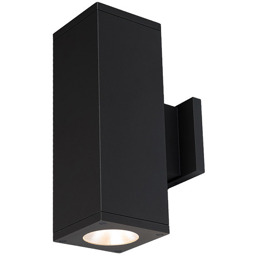
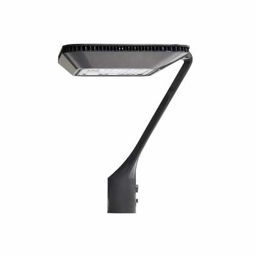
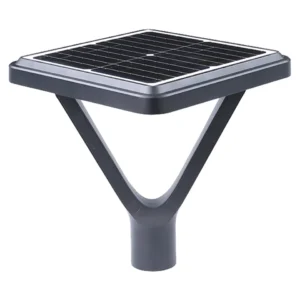
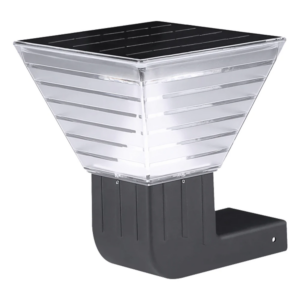
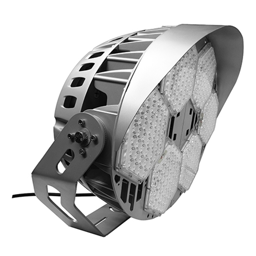
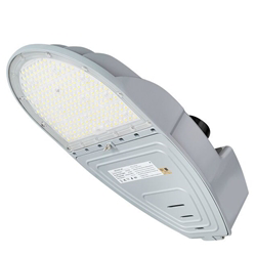
LEDs revolutionize both home and industrial lighting systems because they provide exceptional design options and power-saving capabilities and extensive operational lifespan. Smart LED systems with app and voice control capabilities enable modern homes to create customized lighting experiences while saving energy. Industrial sectors adopt LEDs for warehouse street and factory lighting because they provide better visibility and safety while reducing electricity expenses. Most applications are becoming less suited for traditional bulbs because of the fast pace of LED technology development.
Mesla Lighting leads this energy-efficient lighting revolution by providing a complete selection of LED products that meet the needs of residential commercial and industrial spaces. Their products combine durability, performance, and aesthetic appeal, demonstrating that LED lighting is not only functional but also enhances space design.
Why You Should Choose LED Over Regular Bulbs for Your Next Lighting Upgrade
The transition to LED lighting provides actual advantages through its capacity to decrease operational expenses and its ability to reduce electricity usage and its effect on environmental protection. The initial costs of LED lights are higher than other lighting options but their extended operational life and decreased power consumption will result in savings that balance out these expenses.
Homeowners and businesses can achieve proper illumination through their ability to adjust light intensity and select specific color temperatures while experiencing safer and cooler performance compared to standard bulbs. The choice to use LED lights represents a commitment to operational efficiency and user-friendly design and environmentally responsible practices.
LEDs provide users with better capabilities through their dimming and color tuning and smart connectivity features which other light sources like incandescent and halogen bulbs cannot provide. The lighting options enable users to develop custom lighting setups which improve their work efficiency and comfort and visual appeal. Your choice to implement LED lighting will improve your space’s operational capabilities and support the development of an environmentally friendly future. Environmental protection and economic savings make the transition process both practical and beneficial. The switch to LED lights provides three advantages which include better performance and lower costs and less harm to the environment.
Final Thoughts
In the LED vs regular debate, LEDs clearly outperform traditional bulbs across efficiency, lifespan, safety, and sustainability metrics. The initial cost of incandescent bulbs appears lower, but their need for frequent replacement together with their excessive energy consumption and heat output makes them unsuitable for contemporary indoor environments. LEDs serve as a beneficial permanent solution which is suitable for residential spaces and office areas and industrial sites.
The adoption of LED lighting systems today provides businesses with two immediate benefits which include energy cost savings and reduced need for maintenance and better control over the quality of light. The company Mesla Lighting provides businesses with energy-efficient solutions which maintain their original design and operational capabilities. People who want to improve their space design need to know how LED lights differ from standard bulbs because this knowledge helps them choose wisely which will result in financial savings and environmental benefits throughout the entire lifespan of the product.
FAQs
What is the difference between LED and regular?
LEDs use semiconductors and convert electricity directly to light with minimal heat, while regular bulbs rely on filaments or gases, wasting most energy as heat.
What is the disadvantage of LED lights?
Higher upfront cost and potential incompatibility with older dimmers, but long-term savings and efficiency generally outweigh initial investment.
What is equivalent to 60W in LED?
A standard 60W incandescent bulb can be replaced with a 10–12W LED bulb, offering similar brightness with significantly lower energy usage.
Can I put an LED bulb in a regular lamp?
Yes, as long as the socket matches (usually E26/E27) and the fixture is rated for LED use. No special modifications are required.
What are the disadvantages of LED light bulbs?
High initial price, some flickering with incompatible dimmers, and light may feel cooler than traditional bulbs without proper color selection.
Can LED lights be used in all types of light fixtures?
LEDs are compatible with most fixtures, but check for dimming compatibility and enclosed spaces. Heat-sensitive LEDs may require proper ventilation for optimal lifespan.