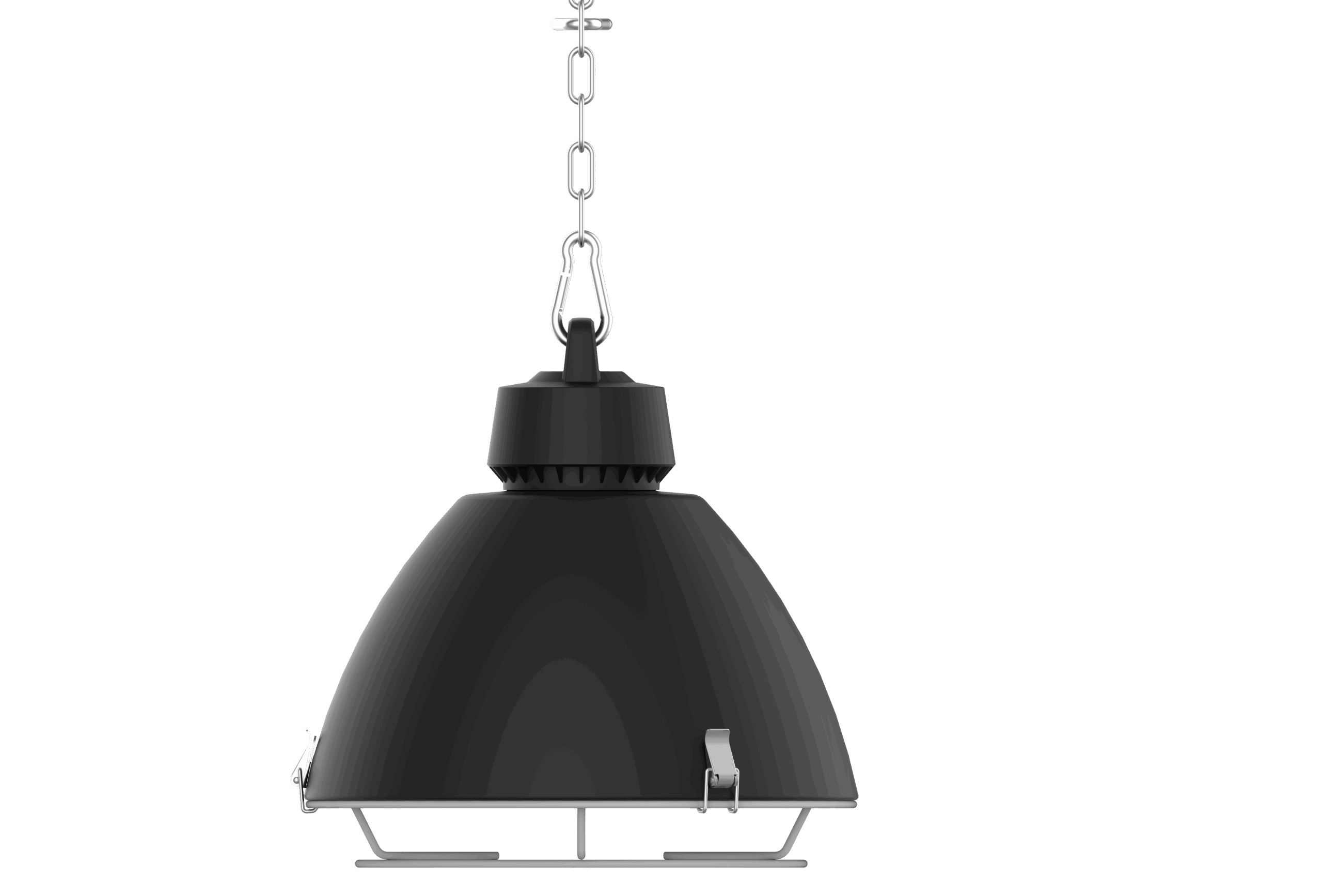
































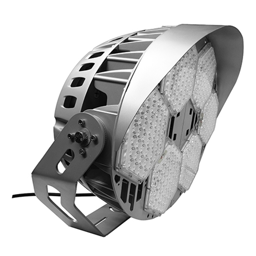

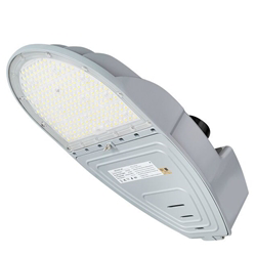

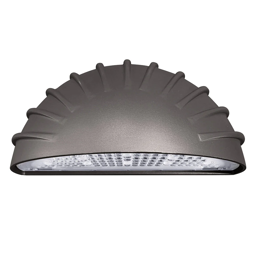
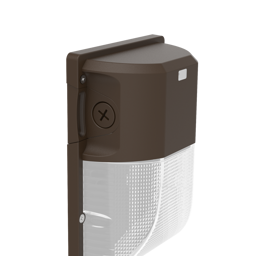







Have you ever entered a big warehouse and found that there are some bright spots and some dark shadows? Well, the only reason for this difference is the type of high bay lights installed. This is an essential source of illumination in big warehouses and factories but it is difficult to choose the proper high bay lights.
Nowadays, the design of high bay lights has changed significantly. It is mostly because advancements in LED technology have improved the efficiency, lifespan, and lighting quality of indoor lighting fixtures, including high bay lights, compared with traditional lights. However, there are a lot of high bay lights available on the market.
This blog covers all aspects you need to know regarding high bay lights starting from knowing the basics of high bay lights and their comparison to low bay options through to lighting spacing recommendations and selection considerations. The aim is to give you information that helps you make the right decision with regard to lighting.
Key Takeaways:
- It is applicable in ceiling heights of 20 feet and above, making them appropriate in warehouses, factories, gymnasiums, and big business centers.
- The LED advancement has seen high bay lights be more energy efficient than the usual metal halide and fluorescent lights at 50% to 80%.
- There are two principal fixture designs, namely UFO (U-shaped or circular) and linear (straight). The former is ideal for spacious and tall environments while the latter is best suited for good light uniformity in aisles
- Proper fixture spacing will depend on mounting height, beam angle, and illumination requirements and generally requires spacing of fixtures four times the mounting height
- Occupancy sensors are effective in saving energy since they help to dim or turn off lights automatically when there is no activity in the area
What Are High Bay Lights and Where Are They Used?
High bay lights are powerful lights that have been made with the specific purpose of illuminating high-ceilinged spaces indoors. Such lights are usually installed above 20 feet in height, meaning that without them, it would be impossible to effectively illuminate such facilities using conventional commercial lights.
The unique aspect about high bay lights is that they can project powerful light to large distances. These lights have been specially designed with special optics and reflectors along with high-intensity LEDs so that they can illuminate the floor below with enough intensity to enable the completion of tasks like picking, assembling, and inspection.
The common places where you can find high bay lights are warehouses, distribution centers, factories/manufacturing plants, gyms/indoor sports areas, aircraft hangers, workshops, and big box retail facilities. The versatility of modern high bay lights means they can be adapted to virtually any large indoor environment.
The importance of high bay lights cannot be overstated. They can also contribute to high bay LED energy savings in facilities where lighting operates for extended periods. They allow people working in the warehouse to read labels and recognize their goods. For the factory, they help people working at the assembly line to see fine details of work and notice any defects. In gymnasiums, they provide bright and even lighting that is required for any sport activity. Every area needs special lighting, and LED high bay lights are best suited for these purposes.
Commercial LED lighting such as high bay lighting fixtures are the perfect solution for industrial and commercial spaces. High bay lighting fixtures ensure the maximum illumination across any facility.
Feature Article: Commercial LED Lights: Your Complete Efficiency Guide
High Bay Lights vs. Low Bay Lights: Key Differences
Many facility managers confuse high bay lights with low bay lights, but they serve entirely different purposes. The distinction comes down to ceiling height and how the light needs to be distributed.
| Factor | High Bay Lights | Low Bay Lights |
| Ceiling Height | 20 feet and above | 12 to 20 feet |
| Typical Lumens | 15,000 to 60,000+ | 10,000 to 20,000 |
| Beam Angle | Narrower (60° to 120°) | Wider (120°+) |
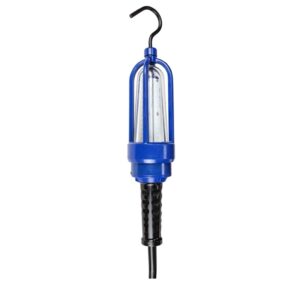
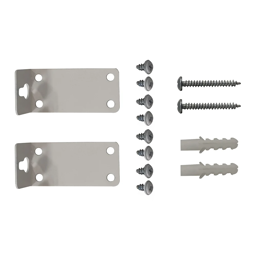
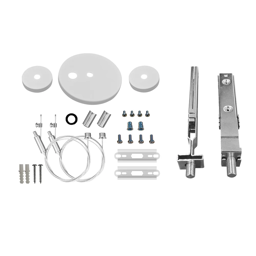
| Mounting Method | Hook, chain, or pendant | Surface, chain, or pendant |
| Glare Risk | Higher at lower heights | Lower, more comfortable |
| Common Applications | Warehouses, factories, gyms | Retail, workshops, garages |
The results of getting the wrong one are very serious. The installation of a high bay light in a low ceiling environment will lead to an environment that is too bright and hence is unsafe and uncomfortable for working in. On the other hand, the installation of a low bay light in a high ceiling area means the ground floor remains dark.
Understanding the difference is the first step to take in order to choose the right industrial high bay lights. The table shown above is a guide to choose but there are other considerations that one needs to put into account when choosing such lights.
For any information regarding LED lighting energy efficiency you could refer to the resources from the United States Department of Energy.
Research on high bay LED energy savings confirms that LED technology offers significant efficiency improvements over traditional lighting options.
Feature Article: Hazardous Area Lighting: Safety & Class Guide
Types of LED High Bay Lighting Fixtures Compared
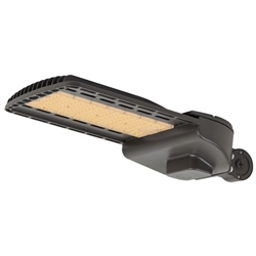
The types of high bay lights currently available can be divided into three different categories: UFO high bay lights, linear high bay lights, and vapor-tight high bay lights.
UFO High Bay Lights
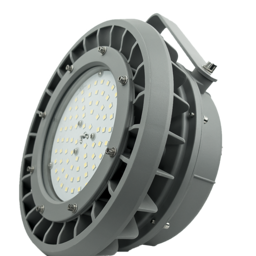
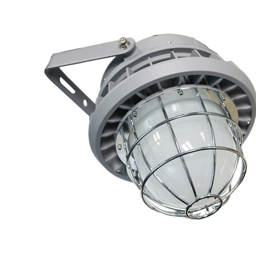
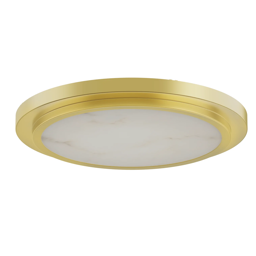
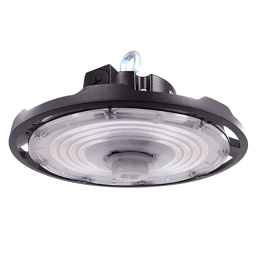
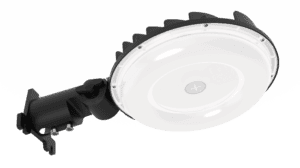
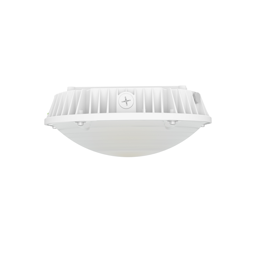
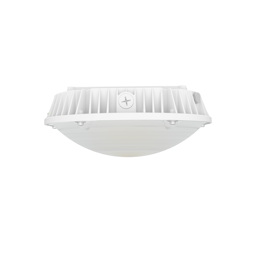
UFO high bay lights are named for their round, saucer-like appearance. They are the most popular choice for open industrial spaces due to their compact design, powerful output, and rugged construction .
Best Application: Open warehouses, manufacturing floors, gymnasiums, and aircraft hangars
Pros:
- High lumen output with excellent beam control
- Extremely durable with IP65/IP66 ratings
- Easy single-point installation with hook or chain
- Effective at heights from 20 to 50+ feet
- Excellent heat dissipation through finned design
Limitations:
- May create hot spots if spacing is not optimized
- Less suitable for narrow aisles or spaces with tall racking
- Can produce glare at lower mounting heights
- Typically heavier than linear alternatives
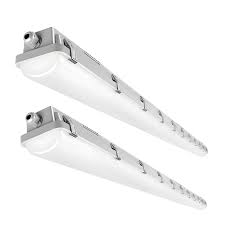
Linear High Bay Lights
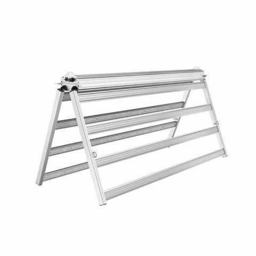
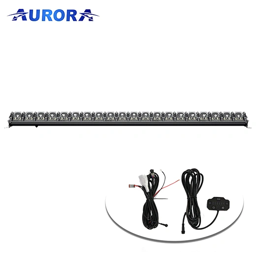
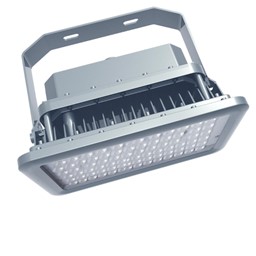
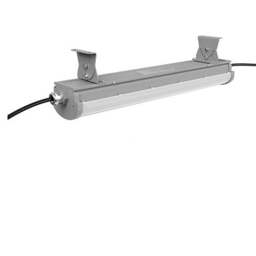
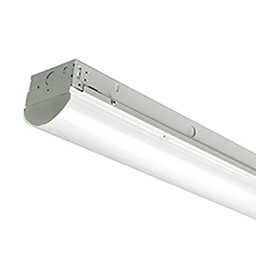
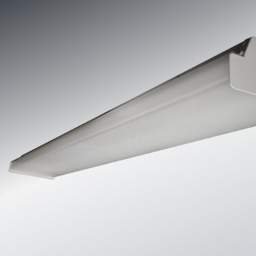
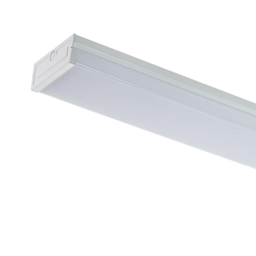
Linear high bay lights have a rectangular, elongated design that distributes light more evenly across rectangular spaces. They excel in environments where uniform illumination is critical .
Best Application: Warehouse aisles, assembly lines, retail spaces, and conveyor areas
Pros:
- Superior light uniformity across long, narrow spaces
- Better glare control and visual comfort
- Versatile mounting options including surface, pendant, or cable
- Ideal for heights from 15 to 35 feet
- Can be linked together for continuous runs
Limitations:
- More complex installation requiring two mounting points
- Generally higher upfront cost
- Less durable than UFOs in harsh environments
- May require more frequent cleaning in dusty conditions
Vapor-Tight and Specialty High Bay Lights
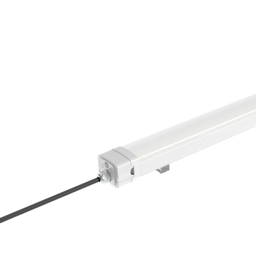
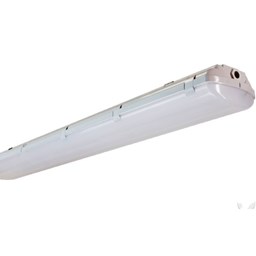
High bay lights meant for tough conditions provide extra protection against water, dust, chemicals, and explosive atmospheres.
Ideal Use: Food processing plants, refrigerated areas, car wash facilities, and hazardous areas
Pros:
- Sealed construction locks out contaminants
- Easy to clean with smooth surfaces
- Durable materials that withstand harsh conditions
- Available in food-grade and explosion-proof versions
Limitations:
- Typically lower output than open fixtures
- Higher cost due to specialized construction
- May have limited wattage options
For facilities with specific environmental challenges, vapor-tight LED lights provide the durability needed for demanding applications.
In hazardous locations, explosion-proof LED lighting ensures safety while delivering reliable illumination.
Feature Article: LED Troffer Lights: Energy-Efficient Lighting for Any Space
How to Choose High Bay Lights for Your Facility
Selecting the right high bay lights involves evaluating several factors. This practical checklist covers the essentials for making an informed decision.
Ceiling Height
The most important factor. High bay lights are applicable in ceilings 20 feet and above. In cases where the height is between 15 and 20 feet, careful consideration needs to be done regarding beam angle and lumens needed.
Lumens, Not Just Wattage
Wattage calculates energy usage, whereas lumens calculate brightness. Remember to always buy lights on the basis of lumens. Basic guidelines for different ranges are as follows:
- 20 to 25 feet: 16,000 to 25,000 lumens
- 25 to 35 feet: 25,000 to 40,000 lumens
- 35 to 45 feet: 40,00
Beam Angle Selection
The beam angle determines light spread. For high bay lights, the choice typically falls between 60°, 90°, and 120°.
- 60°: Most focused; suitable for very high ceilings (40+ feet)
- 90°: Versatile choice for ceilings 20 to 40 feet
- 120°: Widest spread; better for lower mounting heights (under 25 feet)
Selecting the correct beam angle prevents light waste and ensures uniform coverage. Proper high bay light spacing depends heavily on beam angle selection.
Color Temperature
In commercial and industrial applications, 4000K (neutral white) or 5000K (daylight) are the most common choices. The color 5000K has gained a lot of popularity in warehouses and industries because alertness is required there. In retail shops, the warmer color of 3000K is sometimes preferred.
Voltage and Environmental Ratings
Consider the voltage rating (commonly 120-277V or 277-480V for industrial use), and the rating for IP protection against dust and moisture. The IP65 rating works well for most indoor environments. For washdown and/or outdoor conditions, you may need higher ratings such as IP66 and IP67.
Controls and Certifications
Consider adding occupancy sensor capabilities to reduce energy consumption. Look for DLC certification for efficiency and rebate eligibility, and UL certification for safety compliance.
The LED lighting and controls guidance from the U.S. General Services Administration offers practical advice for integrating controls into lighting systems.
Maintenance Access
Consider how difficult it will be to access fixtures for maintenance. LED high bay lights have low maintenance requirements; however, in the event that there are any problems, accessibility is important. Places with extremely high ceilings need to consider using fixtures with extended lifespans.
Feature Article: LED vs Regular: Which Light Bulb Wins for Your Space?
LED vs. Traditional High Bay Comparison
| Factor | LED High Bay Lights | Metal Halide or Fluorescent |
| Energy Efficiency | 50-80% less energy | Standard consumption |
| Lifespan | 50,000-100,000 hours | 10,000-20,000 hours |
| Warm-Up Time | Instant-on | 5-15 minutes |
| Maintenance | Minimal | Frequent bulb replacements |
| Color Quality | Excellent (CRI 80+) | Poor to moderate |
| Heat Output | Low | High |
| Environmental Impact | Mercury-free | Contains hazardous materials |
Facilities differ in ceiling height, aisle configuration, voltage, temperature, and safety requirements. LED high bay lights from Mesla Lighting offer standard, linear, food-grade, and specialized explosion-proof high bay lighting solutions, allowing buyers to compare fixtures based on the actual operating environment rather than wattage alone.
Readers can explore Mesla’s high bay range or request assistance identifying a suitable fixture for their space.
For general guidance on LED lifespan and performance, Energy Star provides reliable information on what to expect from quality LED fixtures.
High Bay Light Spacing and Warehouse Layout Guide
Proper spacing of high bay lights is crucial for achieving uniform illumination without dark spots or excessive brightness. Poor spacing leads to shadows that compromise safety and productivity.
General Spacing Guidelines
A common rule of thumb is to space high bay lights at a distance approximately four times their mounting height. For example, 20-foot poles should be spaced about 80 feet apart. This ratio provides reasonably uniform coverage for most rectangular spaces.
| Ceiling Height | Recommended Spacing |
| 15-20 feet | 12-15 feet apart |
| 20-30 feet | 15-20 feet apart |
| 30-40 feet | 20-30 feet apart |
| 40+ feet | Consult a lighting professional |
Beam Angle Considerations
For taller ceilings (30 feet and above), narrower beam angles (60° to 90°) help focus light where it is needed. For lower mounting heights (under 25 feet), wider beam angles (120°) are more effective . Matching beam angle to ceiling height ensures efficient light distribution.
Aisle Orientation
In warehouses with tall racking, fixtures should be centered in the aisles. This positioning minimizes shadows cast by shelving and ensures even illumination of vertical surfaces where pickers need to read labels . Proper aisle lighting improves picking accuracy and worker safety. Warehouse high bay lighting needs careful attention to aisle orientation for optimal effectiveness.
Quantity Determination
After determining spacing, calculate the number of fixtures needed by dividing the total floor area by the coverage area per fixture. A professional photometric analysis provides the most accurate results, especially for irregular spaces. Photometric analysis considers reflectances, obstructions, and specific task requirements.
Common Spacing Mistakes
- Over-spacing fixtures, creating dark zones
- Under-spacing, wasting energy and increasing costs
- Ignoring obstructions like beams or HVAC equipment
- Failing to account for racking heights and aisle widths
Proper warehouse high bay lighting design needs careful consideration of these factors to avoid expenses. High bay lighting fixtures should be positioned to maximize coverage while minimizing energy waste.
The occupancy sensor energy savings study shows that integrating smart controls with proper spacing can significantly reduce energy consumption in large facilities.
Additionally, workplace illumination requirements from OSHA ensure that facilities maintain safe light levels for employees.
Feature Article: Best Lighting Tips for Architecture to Enhance Your Space Design
Final Thoughts
High bay lights are required to illuminate large industrial or commercial areas. Thanks to the recent advancements in the area of LED lighting, the control of various features of lighting has become easier than ever.
With knowledge of the main distinctions between UFO and linear fixtures, the significance of proper spacing, and the factors to consider when selecting, anyone can easily make sound choices. Selection of appropriate high bay lights is critical for any environment since it affects safety and productivity.
For facilities who need advanced solutions, explosion-proof high bay lights and vapor-tight LED lights give the durability required for challenging environments.
The forecast from the U.S. Department of Energy confirms that LED technology continues to improve, offering even greater efficiency and value over time.
The future of industrial lighting is bright, and the right high bay lights make that future possible. For those ready to upgrade, indoor lighting fixtures from Mesla Lighting offers a comprehensive range of high bay solutions designed for various applications and operating conditions.
FAQs
What is an LED high bay light?
An LED high bay light is a high-output lighting fixture that uses LED technology to illuminate large indoor spaces with ceilings 20 feet or higher. It provides bright, energy-efficient, and long-lasting illumination for warehouses, factories, gyms, and other industrial/commercial settings.
What is the difference between LED high bay lights and LED low bay lights?
The main difference is mounting height. High bay lights are designed for ceilings 20 feet and above, while low bay lights are for ceilings 12 to 20 feet . High bay fixtures typically have higher lumen output and narrower beam angles to direct light effectively from greater distances.
How many LED high bay lights do I need?
The number depends on ceiling height, floor area, and desired brightness levels. A general guideline is to space fixtures roughly four times their mounting height apart . For accurate results, consider a professional photometric analysis. General recommendations suggest:
- 15-20 feet height: 12-15 feet spacing
- 20-30 feet height: 15-20 feet spacing
- 30-40 feet height: 20-30 feet spacing
How far apart should high bay lights be installed?
Install high bay lights at a distance approximately four times their mounting height . For example, 20-foot high fixtures should be placed about 80 feet apart. For more precise spacing, consider the beam angle and required light levels for your specific application.
Can LED high bay lights be dimmed?
Yes, most modern LED high bay lights support 0-10V dimming, allowing adjustments to light levels based on occupancy or time of day . This feature, combined with occupancy sensors, can significantly reduce energy consumption and extend fixture lifespan.