

























































Lighting is more than just illumination; it’s an essential design element that shapes perception, mood, and functionality within architectural spaces. Architects use proper lighting techniques to show building elements and display different materials while producing interactive visual effects that improve indoor and outdoor spaces. Architects need to master light and shadow techniques just like they need to choose building materials and develop architectural designs. The system affects aesthetic design and operational performance and building energy consumption and resident comfort.
Contemporary design has reached a point where designers treat lighting as a fundamental element of their work. The lighting choices made for residential homes and commercial buildings determine the atmosphere of the space, the way colors are perceived, and the pattern of activities that take place.
Architects use layered lighting together with modern LEDs and smart controls to create spaces that achieve both visual appeal and efficient functioning. The design process benefits from early implementation of these principles because they enable designers to create spaces that achieve perfect balance between their aesthetic appearance and their practical use.
Key Takeaways
- Architectural design needs proper lighting because it creates aesthetic value and determines how people perceive spaces.
- The combination of ambient and task and accent lighting creates design elements which improve user experience.
- Architectural spaces that use LED lighting achieve better energy performance and longer product life and consistent light output.
- Architectural interior lighting creates attractive spaces which fulfill all needed illumination requirements.
- Outdoor lighting creates aesthetic charm for buildings at night while highlighting their architectural features.
- Niche architectural needs are met through specialized lighting solutions which include horticultural lights and explosion-proof lights.
- The use of strategic lighting provides three main benefits which include decreased energy expenses and protection of the environment and increased property worth.
- The right fixtures and brightness selection and temperature selection create better mood and experience for users.
- Smart controls in modern lighting systems provide users with both automated functions and convenient operation.
- The design process requires proper planning to eliminate all potential glare and shadow effects and design elements which do not function efficiently.
Understanding the Role of Lighting in Architecture
The use of lighting in architecture serves as a fundamental instrument which determines how people experience different areas. The combination of natural light with artificial lighting enables designers to create different visual effects which include texture demonstration and color demonstration and three-dimensional viewing. Architects use lighting techniques to show important building components which help people navigate space while creating visual harmony throughout the building. Bad lighting conditions make spaces appear two-dimensional because they hide essential elements which results in a design that fails to deliver its complete effect.
Functionality receives support from lighting systems. The spaces used for work in kitchens and offices and study areas need dedicated lighting which maintains constant brightness throughout their work process. The energy efficiency of buildings gets determined by their architectural lighting systems. Daylight and LEDs and automated controls need proper planning to achieve energy savings while providing maximum comfort. The design process requires lighting design as a primary element because it combines visual elements and practical needs and energy efficiency.
Essential Lighting Techniques Every Architect Should Know
Three main lighting techniques, which include ambient, task, and accent lighting, form the basic foundation for effective lighting design. The three types of lighting systems serve different functions, but they can be combined to establish an effective working space. The application of these methods produces a transformation which makes common locations become energetic interactive spaces.
Ambient Lighting
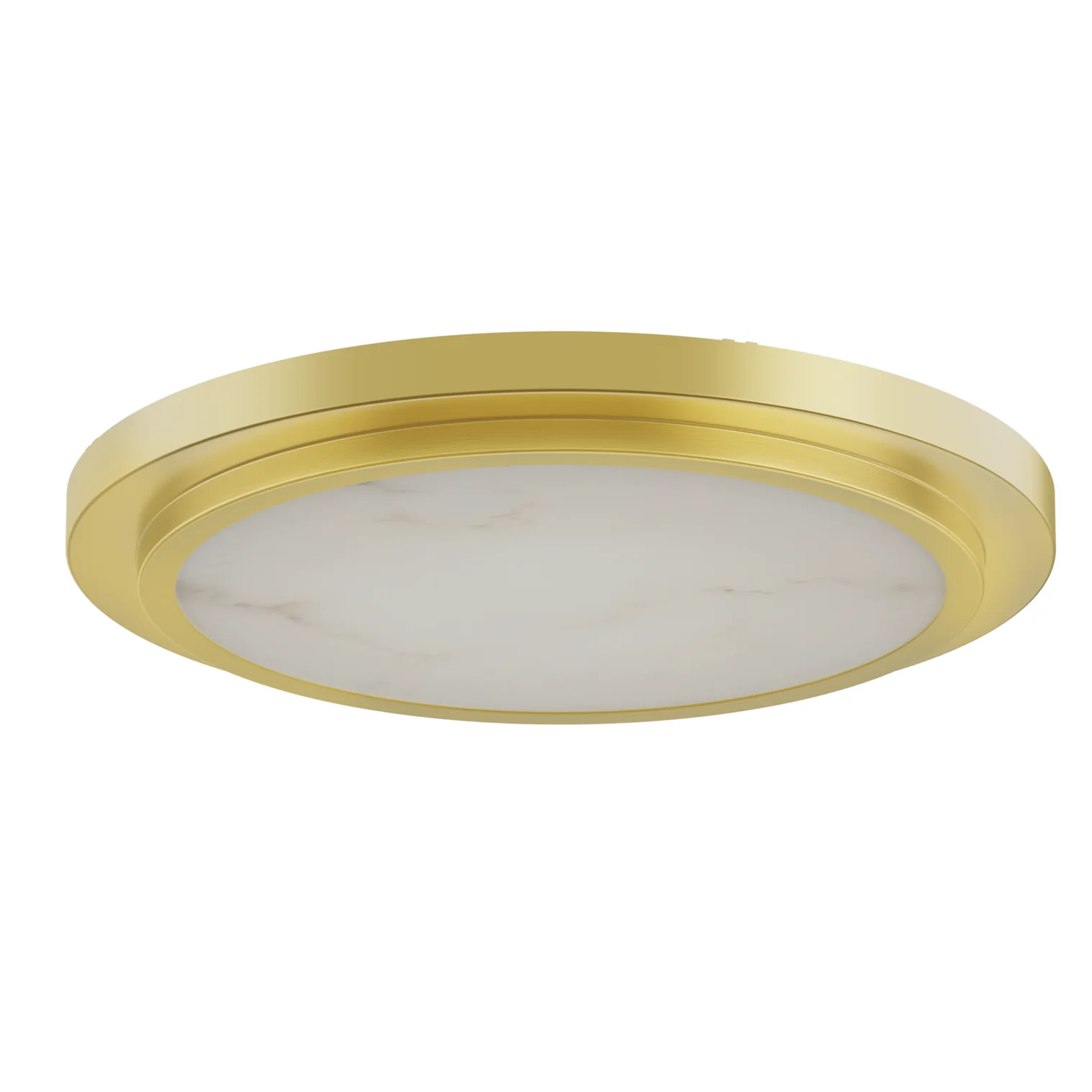
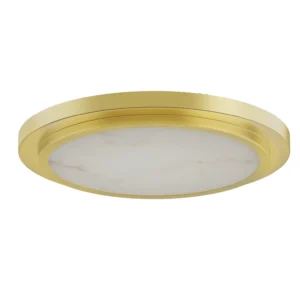
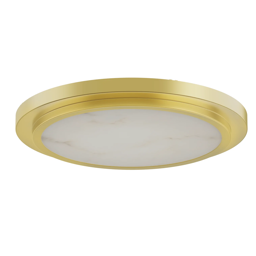
Ambient lighting serves as the primary source of light which illuminates an entire area. The space achieves consistent illumination through ceiling-mounted fixtures and recessed lights and large windows. Architects use ambient light to establish the building’s overall atmosphere which enables people to move through the space without obstacles. Architects use dimmer systems to change light brightness according to different day times and various building uses which results in spaces that can adapt to all requirements.
Task Lighting
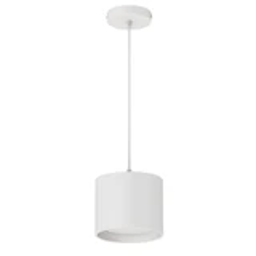
Task lighting establishes better visibility for specific areas which people need to see, including kitchen counters and office desks and reading nooks. People who work during the day need proper lighting because it protects their eyes while it boosts their work efficiency. Designers can use adjustable lamps and pendant lights and under-cabinet fixtures to create custom lighting solutions which meet their needs for practical use and design needs.
Accent Lighting
Accent lighting displays architectural details, which include textured walls and artwork and structural columns. The combination of spotlights and wall washers and LED strips creates a visual experience which brings out different lighting effects. Accent lighting creates visual pathways that lead to important design elements which produce aesthetic appeal and support design narratives found in residential and commercial environments.
Layering Techniques
The combination of ambient and task and accent lighting creates space depth, which helps avoid uniformity while providing multiple operating options. The system of layered lighting enables spaces to move between well-lit areas and private spaces which makes spaces more adaptable while improving user satisfaction.
Color Temperature and Mood
Selecting the appropriate color temperature affects perception and emotion. Warm light (2700–3000K) fosters coziness, while cool light (4000–5000K) improves focus. Architects must match lighting color with material finishes, purpose, and desired ambiance for maximum design impact.
Why LED Lighting is a Game Changer for Architecture
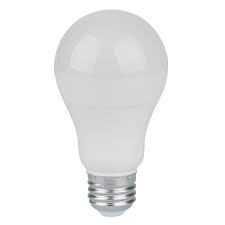
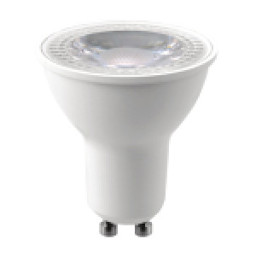
LEDs bring forward a new architectural movement through their combination of energy-saving properties and long-lasting performance and their ability to create diverse design options. Designers use the compact size of these systems to create multiple design elements that include walls and ceilings and furniture, while the adjustable color temperatures give them complete control over their creative work. Modern projects use LEDs because they provide an environmentally friendly solution that maintains their artistic appearance.
Longevity and Reliability
LEDs provide more than 60000 hours of service life which far exceeds the lifespan of both incandescent and fluorescent lights. The system decreases maintenance needs which brings financial benefits to both commercial spaces and challenging installation areas throughout the entire duration of a building’s existence.
Energy Efficiency
LEDs create 90% energy savings when compared to conventional light bulbs which results in reduced electricity expenses and decreased greenhouse gas emissions. This green building standard system works together with architects to achieve sustainability standards through their environmental certification programs.
Design Flexibility
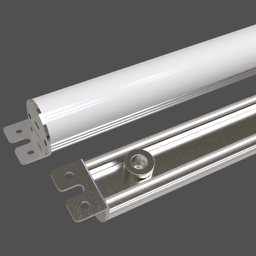
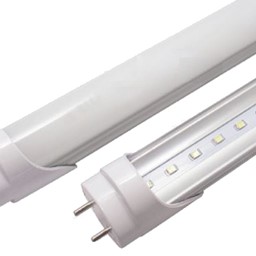
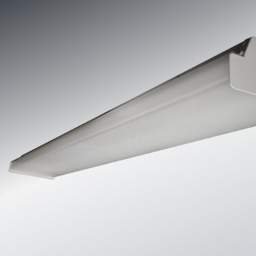
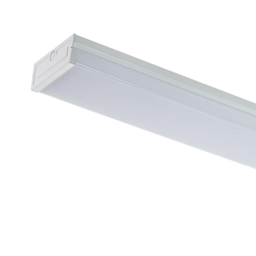
LEDs offer designers a complete range of design options through their linear strip and embedded fixture products which enable users to display textures and architectural elements and create design pathways. Designers can now use their compact size to create intertwining designs which were impossible to achieve with traditional lighting systems.
Color Control and Dimming
Architects use LED technology to control light levels and color variation which enables them to create different lighting moods and display design elements. The smart LED systems provide users with both automated functions and preset lighting scenarios which improve system performance.
Minimal Heat Output
LEDs produce very low heat emissions which maintain a safe environment while safeguarding delicate items such as wood materials and fabric items and artistic pieces. The system decreases heat production which results in less work needed from HVAC systems, thus improving overall energy efficiency.
Architectural Interior Lighting: Balancing Function and Style
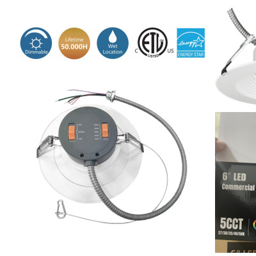
Interior lighting needs to create visual appeal while serving functional needs. Residential areas use multiple lighting layers to create spaces that are both welcoming and usable. Office lighting systems enhance employee work efficiency by minimizing light interference. Current lighting methods use wall sconces and recessed fixtures and pendant lights to create design elements that match existing design patterns.
Architects use accent lighting to draw attention to artwork and architectural details while using ambient light to illuminate their entire spaces. Kitchen and study spaces need task lighting to bring value to their design. The combination of specific light fixtures with appropriate bulbs creates a safe and visually comfortable environment that supports everyday activities while maintaining an attractive appearance. The architectural use of LED lights provides buildings with adaptable lighting systems that users can change according to their current mood or the time of day or their specific activities.
Outdoor Lighting Tips to Highlight Architectural Features
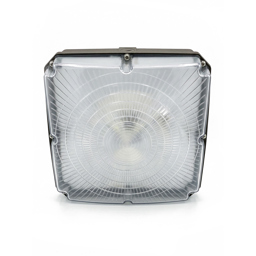
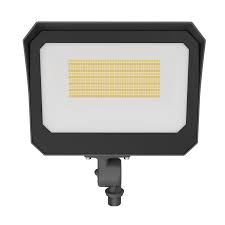
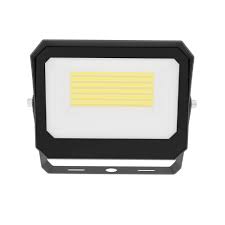
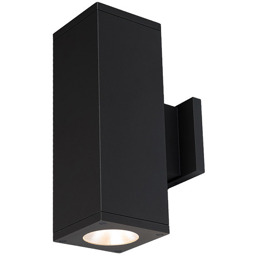
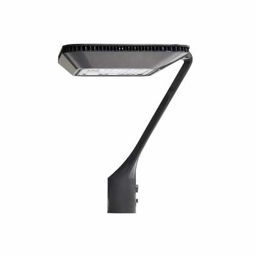
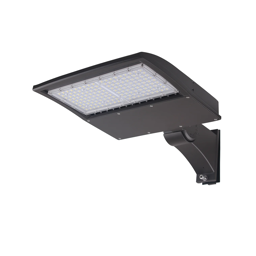
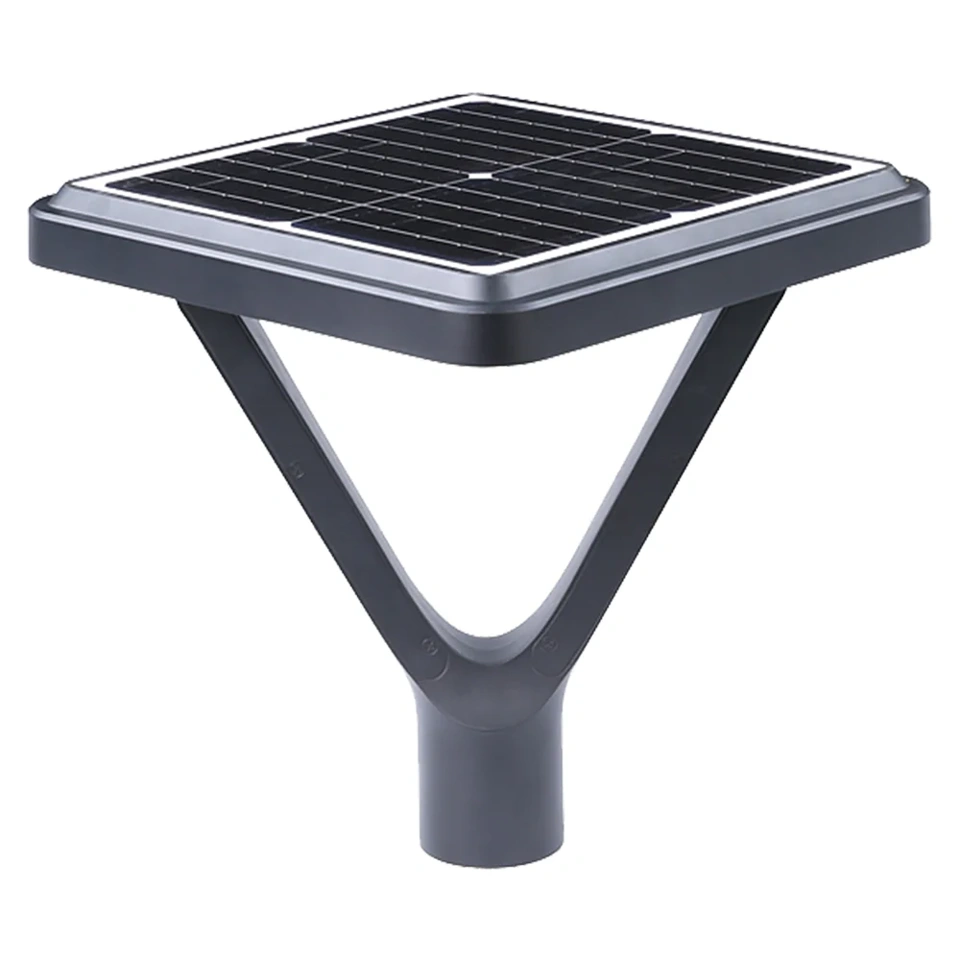
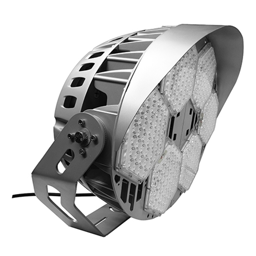
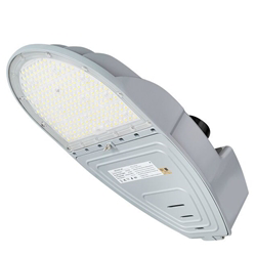
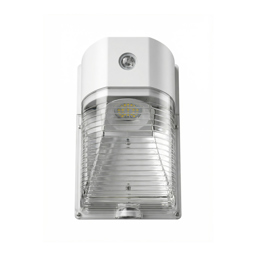
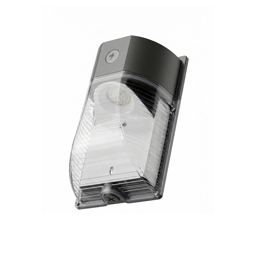
Exterior lighting accentuates building facades, pathways, and landscapes. Proper outdoor lighting improves security, visibility, and aesthetic appeal. Strategies include floodlights, uplighting, and wall-mounted fixtures to highlight entrances, textures, or greenery. Energy-efficient LEDs provide both functionality and beauty, reducing operational costs.
Pathway Illumination
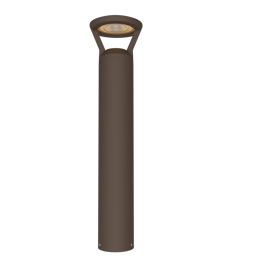
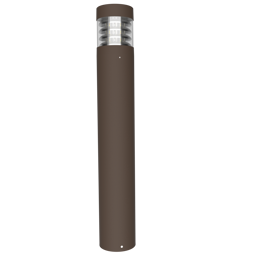
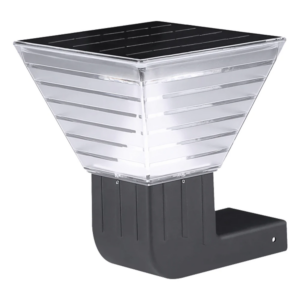
Lighting walkways ensures safety while enhancing curb appeal. Low-level LEDs or bollard lights create a welcoming ambiance for visitors, emphasizing architectural lines.
Facade Highlighting
Spotlights or wall washers showcase textures, materials, and structural details. Accentuated facades contribute to dramatic night-time visual appeal.
Landscape Lighting
Garden and shrub illumination adds depth and color contrast. Integrating soft lighting with outdoor architecture creates harmony between built and natural environments.
Security Lighting
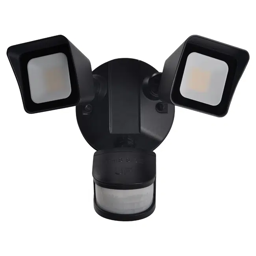
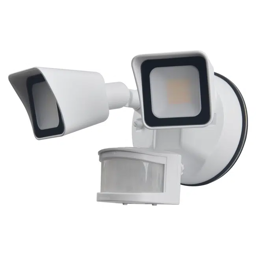
Motion-activated lights protect property without compromising aesthetics. Thoughtful placement minimizes glare and shadows, preserving design integrity.
Smart Outdoor Controls
Automation enables timers, dimmers, and app-based control, allowing energy savings and flexibility in outdoor settings while enhancing architectural visibility and functionality.
Specialized Lighting Options: Horticultural & Explosion-Proof Lighting
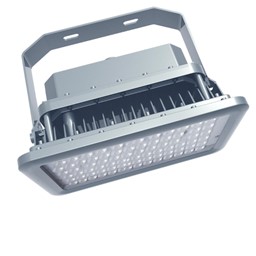
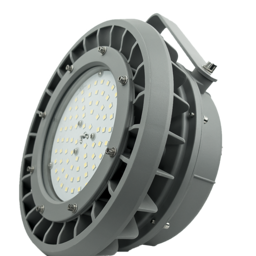
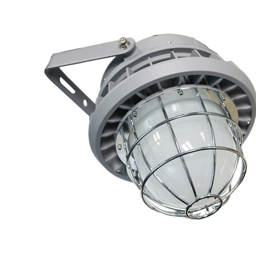
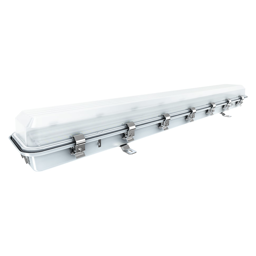
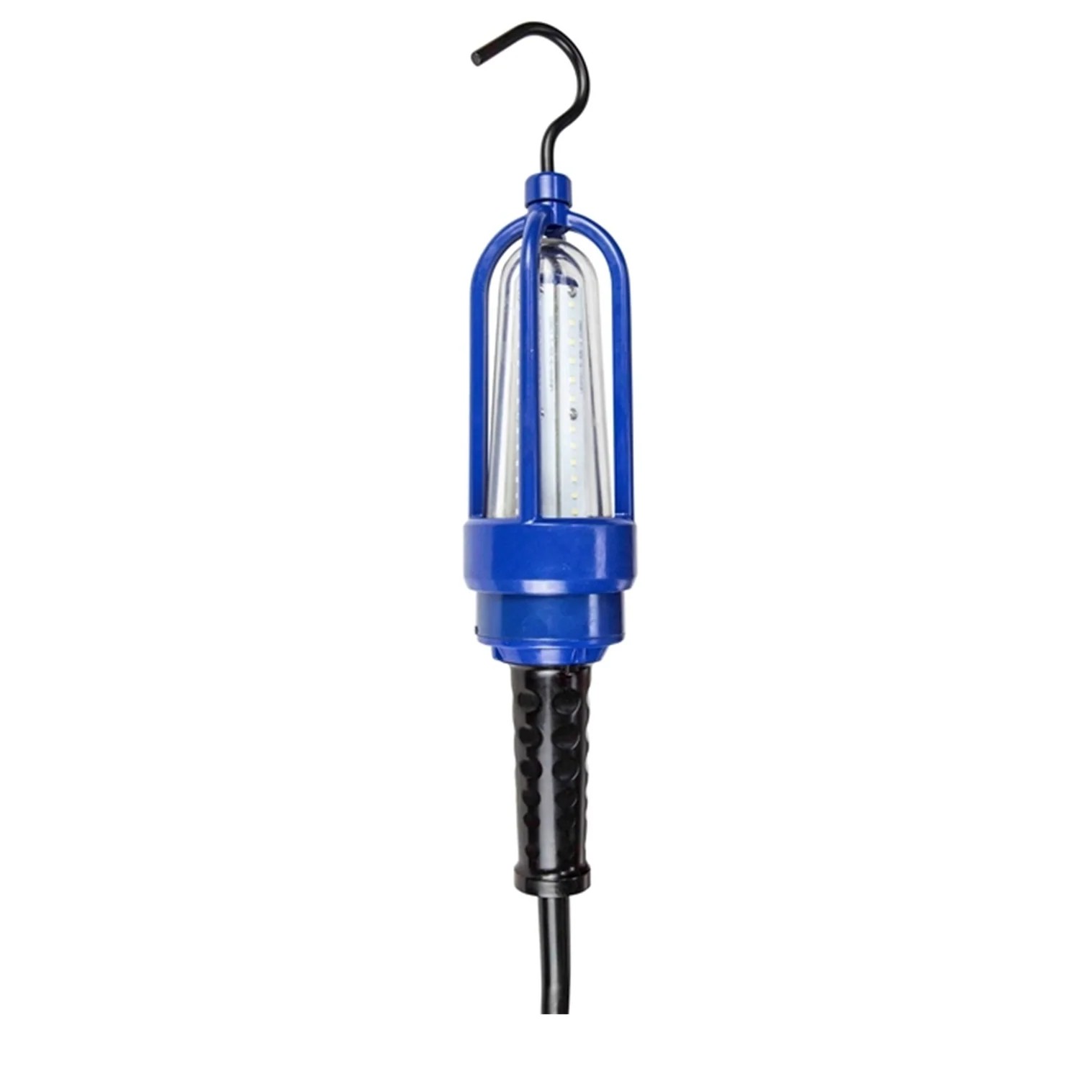
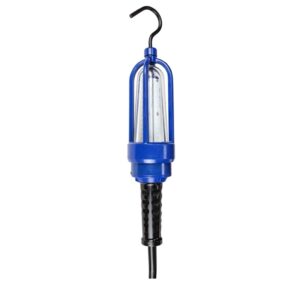
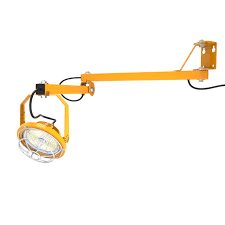
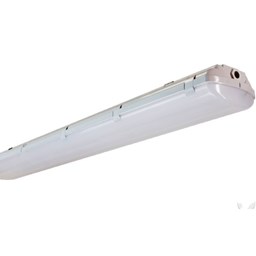
Some architectural projects need special lighting systems. Indoor plants and vertical gardens receive horticultural lighting which improves their visual appeal and indoor air quality. Industrial facilities depend on explosion-proof lighting systems because these systems protect personnel during work in dangerous areas. Proper selection and installation together with proper maintenance procedures are necessary for both types of systems.
LED horticultural solutions enable energy-efficient plant growth through spectrum-specific lighting while explosion-proof fixtures provide safety compliance together with maintained visibility and design integrity. Architects can create spaces that serve their practical needs while maintaining visual harmony through these elements. Mesla Lighting provides durable and customizable solutions that meet horticultural and safety needs through specialized applications which maintain high-quality performance and operational efficiency.
Final Thoughts
The architectural field uses lighting as a powerful instrument which transforms how people perceive space and how they use it and their overall experience. Designers need to develop expertise in ambient and task and accent lighting to create spaces which achieve visual interest and functional requirements. The use of LED architectural lighting provides energy efficiency and design flexibility and extended product lifespan which architects now consider an essential component of contemporary building designs.
Architectural designs reach their full potential through lighting solutions which provide interior illumination and exterior illumination and specialized design options. Architects need to evaluate design elements together with their practical functions which include aesthetic value and operational capability and environmentally friendly practices. The combination of innovation with strategic planning and intelligent technologies creates a lighting system which establishes interactive links between architectural spaces and their users while creating enduring design experiences.
FAQs
How to use architectural lighting in home?
Layer ambient, task, and accent lighting. Highlight features, control brightness with dimmers, and choose color temperatures to match interior design for functionality and ambiance.
What is architectural lighting?
It’s the strategic use of light to enhance building design, emphasizing aesthetics, functionality, and mood, while balancing safety, energy efficiency, and occupant experience.
What are the best lighting techniques for architectural spaces?
Combine ambient, task, and accent lighting with layered control. Integrate LED fixtures for energy efficiency, flexibility, and highlighting key architectural elements.
What is the difference between task lighting and accent lighting in architecture?
Task lighting illuminates specific work areas for visibility. Accent lighting highlights features like artwork or textures to create visual interest and enhance design storytelling.
Can lighting enhance the overall mood of a space?
Yes, proper color temperature, intensity, and placement influence perception, comfort, and ambiance, making spaces feel warm, inviting, productive, or dramatic based on design goals.