









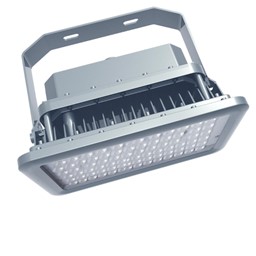
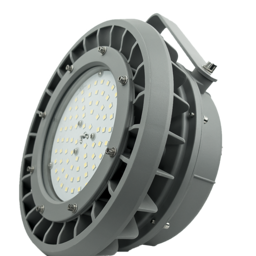


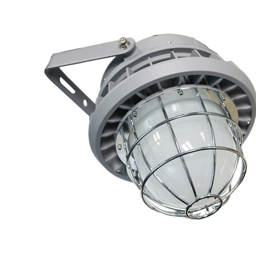

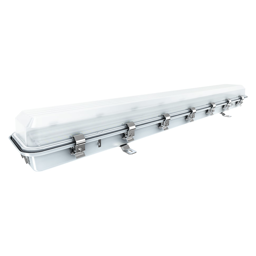





























Have you ever entered a supermarket during winter and come across perfect ripe tomatoes that remind you of summer? Do you ever wonder how growers manage to produce constant crops irrespective of whatever is happening outside? This is all possible due to horticulture lighting.
Plants require light to grow. If plants don’t receive sufficient light, then there is no way they will be able to grow. Horticulture lighting is the process of growing plants with the help of artificial light. Horticulture lighting has brought about tremendous change in agriculture practices.
The technology has advanced tremendously with the advent of LED grow lights that provide high energy efficiency, precision in light spectrum, and long life spans that are not available in the previous technologies. Understanding horticulture lighting is vital.
This guide will explain everything you need to know regarding horticulture lighting including basic concepts, key measures and more. Our purpose is very simple: Provide valuable and practical information. For those exploring reliable LED lighting solutions, understanding these fundamentals is the first step toward success.
Key Takeaways:
- The use of horticultural lighting involves the utilization of artificial light that facilitates photosynthesis and plant development under controlled conditions.
- Nowadays, LED grow lights have become the industry norm, owing to the high efficiency in energy usage and low heat production.
- Some of the main parameters in LED horticulture lighting involve PAR, PPF, PPFD, and DLI.
- There is a need for particular light spectra and intensities, depending on the crop type and stage of growth.
- Professional horticulture grows lights based on their intended application in greenhouses, vertical farms, or indoor growing chambers.
What Is Horticulture Lighting and Why Does It Matter?
Horticulture lighting involves using artificial lighting in the cultivation of plants where there is insufficient light due to lack of sunlight. Horticulture lighting makes it possible for producers to cultivate plants throughout the year without being limited by external factors.
The basic principle behind horticulture lighting is based on the photosynthetic process through which plants utilize light energy to create chemical energy to promote their growth. The use of proper light wavelength allows producers to manipulate plant growth through light.
Controlled environment agriculture lighting needs the capacity to supplement and replace sunlight, which is a paradigm shift. Growers in greenhouses make use of horticultural lighting to increase daylight duration in the dark period. Controlled environment agriculture vertical farms make use of lighting fully since they have no access to natural light at all. Indoor grow rooms employ it to create an ideal environment for particular plants.
Knowing about horticultural lighting is important since it influences the quality and quantity of yields produced. For growers seeking commercial LED lighting efficiency, modern LED systems offer the best balance of performance and operating costs.
With the increased demand for fresh produce, horticulture lighting will become increasingly important in world food production. In order to ensure high-quality results, having quality LED horticulture grow lights will be a necessity. The University of Minnesota Extension gives great advice concerning lighting for indoor plants, which is helpful for learning the basics of artificial lighting for indoor plants.
Key Horticulture Lighting Metrics: PAR, PPF, PPFD, PPE, and DLI
The world of horticulture lighting comes with its own set of technical terms. Understanding these metrics helps growers compare different systems and choose the right one for their needs.
PAR (Photosynthetically Active Radiation)
PAR is defined as the precise wavelengths of light used for photosynthesis by plants. While the human eye perceives light differently, plants perceive light in the 400 to 700 nanometer range. The PAR light measures the amount of light available for photosynthesis and not the varying wavelengths contained therein.
PPF (Photosynthetic Photon Flux)
The PPF measures the amount of PAR light produced by the light fixture per second. This is measured in micromoles per second. The greater the PPF, the greater the amount of light available for growth of the plant. However, it doesn’t consider how light is distributed to the plant
PPFD (Photosynthetic Photon Flux Density)
The PPFD determines the quantity of PAR light available to a given surface. For instance, it may refer to the plant canopy. It is usually denoted in micromoles per square meter per second. PPFD is an important measurement in deciding whether there is enough light exposure for the plants. The desired level for a horticulture lighting setup indoors would be around 300 to 600 micromoles per square meter per second for leafy greens and 600 to 900 for fruiting plants.
PPE (Photosynthetic Photon Efficacy)
This measurement refers to the conversion efficiency of a lighting fixture in converting electrical power into PAR light. It is denoted in micromoles per joule. Higher PPE indicates more efficient use of electricity and, therefore, lower costs. Current LED horticulture lighting exhibits PPE levels ranging from 2.5 to 3.5 micromoles per joule.
DLI (Daily Light Integral)
DLI measures the total amount of PAR light received by a plant over a full day. It is expressed in moles per square meter per day. The DLI considers light intensity and duration; thus, it is among the most practical indicators of sufficient light supply to the plants. The requirement for the DLI differs from one plant species to another with low-light plants requiring 5 to 10 moles while high-light plants require 20 to 30 or more.
| Metric | What It Measures | Unit |
| PAR | Wavelength range for photosynthesis | 400-700 nanometers |
| PPF | Total light emitted by fixture | Micromoles per second |
| PPFD | Light reaching plant canopy | Micromoles per square meter per second |
| PPE | Efficiency of light production | Micromoles per joule |
| DLI | Total daily light accumulation | Moles per square meter per day |
For growers wishing to know the technical specifications of horticulture lighting, the horticultural lighting technical requirements offered by the Design Lights Consortium serve as a good resource. In addition, for gaining information about LEDs in indoor horticulture, the Integrated Lighting Campaign gives valuable information on the changing trends brought in by LED technology in plant production. For individuals interested in better lighting for agriculture, the U.S. Department of Energy provides excellent technical information on this issue.
LED Horticulture Lighting vs Traditional Grow Lights
For many years, the growers used old-school lighting systems such as high-pressure sodium, metal halide, and fluorescent bulbs. Currently, LED horticulture lighting systems have become a norm and have replaced all those old-school systems. Knowing their differences will make everything clear for you.
Heat Output and Energy Use
Older HPS and metal halide lights emit a high amount of heat. This requires that farmers have to set up mechanisms for lowering the temperatures of the environment so that the optimal growing conditions are provided. LED horticulture lighting emits a small amount of heat, making it possible to reduce cooling expenses and get the light close to the plants.
Energy efficiency is amazing. The 600-watt LED light fixture may emit as much light as the 1000-watt HPS fixture but use 40% less energy.
Lifespan and Maintenance
LED grow lights usually have a lifespan that ranges from 50,000 hours and above, while HPS lamps will work for about 10,000 to 20,000 hours. These figures translate into less frequent replacements, reduced maintenance expenses, and fewer instances of system shutdowns. The high lifespan of horticulture lighting renders them perfect for vertical farming applications and other places that are hard to access for bulb replacements.
Spectrum Control
The most significant benefit associated with the use of horticulture lighting is the customization of the light spectrum to cater to the needs of particular plants or certain stages of growth. Different plants and growth stages require specific wavelengths. LED lights can be adjusted to ensure that a specific proportion of blue and red lights is generated.
The conventional approach generates full-spectrum light that is not adjustable. The inefficiency arises from the inability to adjust the lighting for specific uses such as growth or flowering. When the high bay LED lights for large facilities are used, the concept remains the same.
Environmental Impact
The LED horticultural lighting system does not use any toxic materials such as mercury that can be present in regular lighting systems. Since energy usage is less in the former case, its carbon footprint is much less as well. This aspect cannot be overlooked in today’s context of sustainability.
Choosing Horticulture Grow Lights by Application
Different growing environments need different horticulture grow lights. The right choice depends on the application, crop type, and available space.
Greenhouse Lighting
Greenhouse farmers utilize horticulture lighting to complement natural sunlight. The main objective is to increase the photoperiod in dark periods and to have a constant amount of light available. LED lamps that are made for greenhouse application come equipped with a mix of red and blue lights that promote both vegetative growth and flower bloom.
Greenhouse lighting requires low intensity as compared to full indoor lighting since there will be light from the sun. The important thing is to add sufficient light to achieve constant growth rates. Greenhouses utilize dimmable LED lamps with photocell sensors.
Vertical Farming Lighting
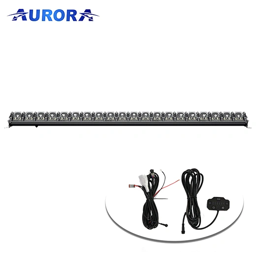
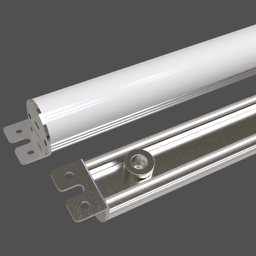
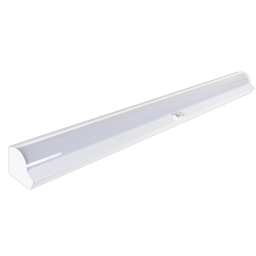
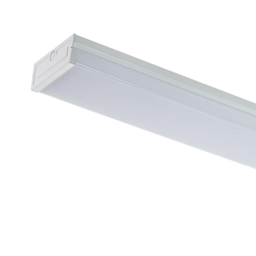
Vertical farming lighting depends entirely on artificial light. High-intensity horticultural lights have to be used for maximum efficiency with minimal heat generation. For vertical farming applications, linear LED lights can be installed for close proximity to tall racks.
LED horticultural lights are very low-heat generating, thus allowing multi-level arrangements for vertical farming. The spectra are adjusted to encourage vegetative growth of leafy greens and herbs.. High PPE values are especially important here because energy costs are a major factor in vertical farm operations. The LEDs in indoor horticulture resource provides excellent case studies on how vertical farms are using LED technology effectively.
Indoor Grow Rooms
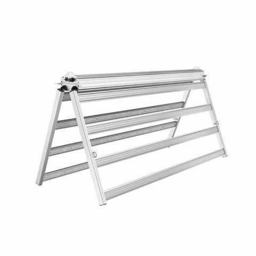
Grow rooms indoors are closed environments that give growers full control of the environment inside. The dimensions of the grow room and the crops determine the kind of horticulture lights required. Small grow rooms use panels and quantum board light fixtures, whereas larger rooms use bar-style LED light fixtures.
Propagation and Seedling Production
In propagation, light should be at moderate intensities, with a spectrum that is predominantly blue. Light intensity between 150 and 250 micromoles per square meter per second usually works. Propagation LED lights have the proper spectrum and intensity for propagation without overloading young plants. Information about lighting for indoor plants by the University of Minnesota Extension provides information on lighting for propagation.
Flowering
Plants used for their flowers need more light intensity than other types, along with a spectrum that has more red light than others. Common light intensity for flowering plants is 600 to 900 micromoles per square meter per second.
For growers looking to invest in reliable horticulture lighting, reliable LED lighting solutions like those from Mesla Lighting are designed for consistent performance across indoor, greenhouse, and specialized growing environments. After identifying crop needs, coverage area, and target light intensity, Mesla Lighting can help choose grow lights and related lighting solutions that fit any setup.
Pros and Cons of Horticulture Lighting Systems
Horticulture lighting is like any other technology that comes with pros and cons. Here is a discussion on some of the advantages associated with using horticulture LED lighting.
Advantages of Using LED Lights in Horticulture
Less Energy Consumption: LEDs consume 30% – 40% less energy compared to HPS lights.
Spectrum Choice: Growers have the option of choosing light spectrums depending on the type of plant grown.
Long Lifespan: LED fixtures last 50,000 hours or more, meaning 5 to 10 years of use depending on daily operating hours.
Lower Heat Output: Reduced heat output lowers cooling requirements and allows fixtures to be placed closer to plants.
Cons of LED Horticulture Lighting
Higher Initial Cost: The initial cost of the LEDs is higher compared to HPS. This is compensated by the cost savings on energy and maintenance in the long term.
Difficulties in Layout: A well-designed layout for light dispersion throughout a large area is crucial. Correct spacing and installation height are key. In large facilities, principles similar to those used for high bay LED lights for large facilities can be applied to ensure even coverage.
Heat Management: Though LED lights create less heat than HPS, they still create some heat. Proper heat management and ventilation are crucial for optimal growing conditions.
Product Quality: Not all LED lights are created equally. Poor quality products will underperform and even break down prematurely. Horticultural Lighting Technical Requirements provided by DesignLights Consortium helps recognize the good products.
How to Choose the Right Horticulture Lighting for Your Grow Space
Selecting the right horticulture lighting system involves evaluating several factors. The following checklist covers the essentials for choosing the right solution for any grow space.
Crop Type
Crops require varying amounts of light. Leafy vegetables like lettuce and spinach grow in lower lighting conditions compared to tomato and pepper crops. Identifying the crop type makes it easy to reduce options.
Canopy Size and Configuration
The dimensions and configuration of the growing space help determine the number and configuration of the lighting systems. Bar style LEDs offer better coverage for large spaces, while panel fixtures work best in small spaces.
Mounting Height
The distance between the fixtures and the canopy determines the light intensity. General recommendations advise mounting the LED fixtures at a height of 18 to 36 inches above the canopy.
PPFD Target
The target PPFD depends on the crop and growth stage. Leafy greens typically need 300 to 500 micromoles per square meter per second. Fruiting crops often require 600 to 900 or more.
Spectrum Selection
Choosing the right spectrum is critical. Some fixtures offer a full spectrum suitable for all growth stages. Others are tuned specifically for vegetative growth or flowering.
Dimming Controls
Dimming capabilities allow adjustments to light intensity based on crop needs. This flexibility is valuable for reducing energy use during early growth stages or when transitioning to flowering.
Certifications and Warranty
Look for fixtures with DLC certification, which ensures efficiency and potential rebate eligibility. A strong warranty is also a sign of quality. Reputable brands typically offer 3 to 5 year warranties.
Supplier Support
Having a supplier that is both reliable and has efficient customer service helps in the process of troubleshooting and for expansion in the future. Dealing with a reputable supplier ensures that there will be continuity in both product delivery and services.
When selecting LED horticulture lighting fixtures, LED horticulture grow lights from Mesla Lighting provide high-quality performance whether in indoor gardens, greenhouses, or specialty grow rooms. Mesla Lighting can assist in selecting the grow lights needed once the crop requirements, space requirement, and desired light intensity have been identified.
Final Thoughts
Horticultural Lighting has changed how the production of food and plants is done. With advanced LED lighting, controlling the spectrum, intensity, and timing has never been easier. Having knowledge of these important measurements will help you make informed decisions, as the right lighting system directly affects crop quality and yield.
While horticultural lighting is designed for plant growth, Permanent Outdoor Lighting solutions focus on long-lasting illumination for residential and commercial exteriors, highlighting how LED technology serves a wide range of applications. For those exploring reliable LED lighting solutions, Mesla Lighting offers products designed for consistent performance across various growing environments.
As the demand for locally grown, sustainable produce continues to grow, horticulture lighting will play an increasingly important role. For those ready to invest in quality lighting, resources like the better lighting for agriculture guide from the U.S. Department of Energy and the LEDs in indoor horticulture resources provide excellent technical guidance on standards and energy efficiency.
Farming in the future will be indoor farming, and light will be central to it. The best lighting system for horticulture will make it happen. Those who require in-depth information on the subject can refer to the “LED Grow Lights for Plant Production Fact Sheet” by Oklahoma State University.
FAQs
What is horticultural lighting?
Horticulture lighting is the use of artificial light sources, typically LEDs, to support plant growth in greenhouses, vertical farms, and indoor grow rooms. It provides the specific light spectrum plants need for photosynthesis.
What lights do professional growers use?
Most professional growers now use LED horticulture lighting because it offers the best balance of energy efficiency, spectral control, and longevity. HPS lights are still used in some operations but are rapidly being replaced by LEDs.
Will any LED light work as a grow light?
No. Standard LED lights are designed for human visibility and may not provide the specific spectrum plants required for photosynthesis. LED horticulture lighting is specifically engineered with spectra that support plant growth.
Do grow lights run up your electric bill?
Grow lights do consume electricity, but modern LED horticulture lighting is much more efficient than older technologies. The energy savings often offset the cost, especially when compared to HPS systems.
What color LED is best for growth?
Plants primarily use blue light (400-500 nanometers) for vegetative growth and red light (600-700 nanometers) for flowering. LED horticulture lighting fixtures combine these and other wavelengths to provide a full spectrum that supports all growth stages.
What is the difference between grow lights and regular LED lights?
Regular LED lights are designed for human vision and focus on producing white light. Grow lights emit specific wavelengths that plants need for photosynthesis, which is why horticulture lighting fixtures are optimized for plant growth rather than human visibility.