









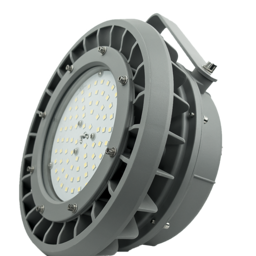


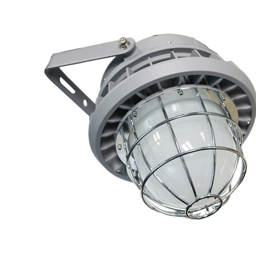

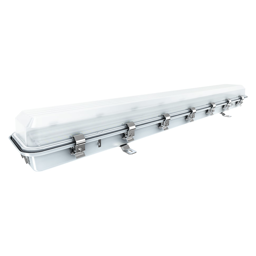

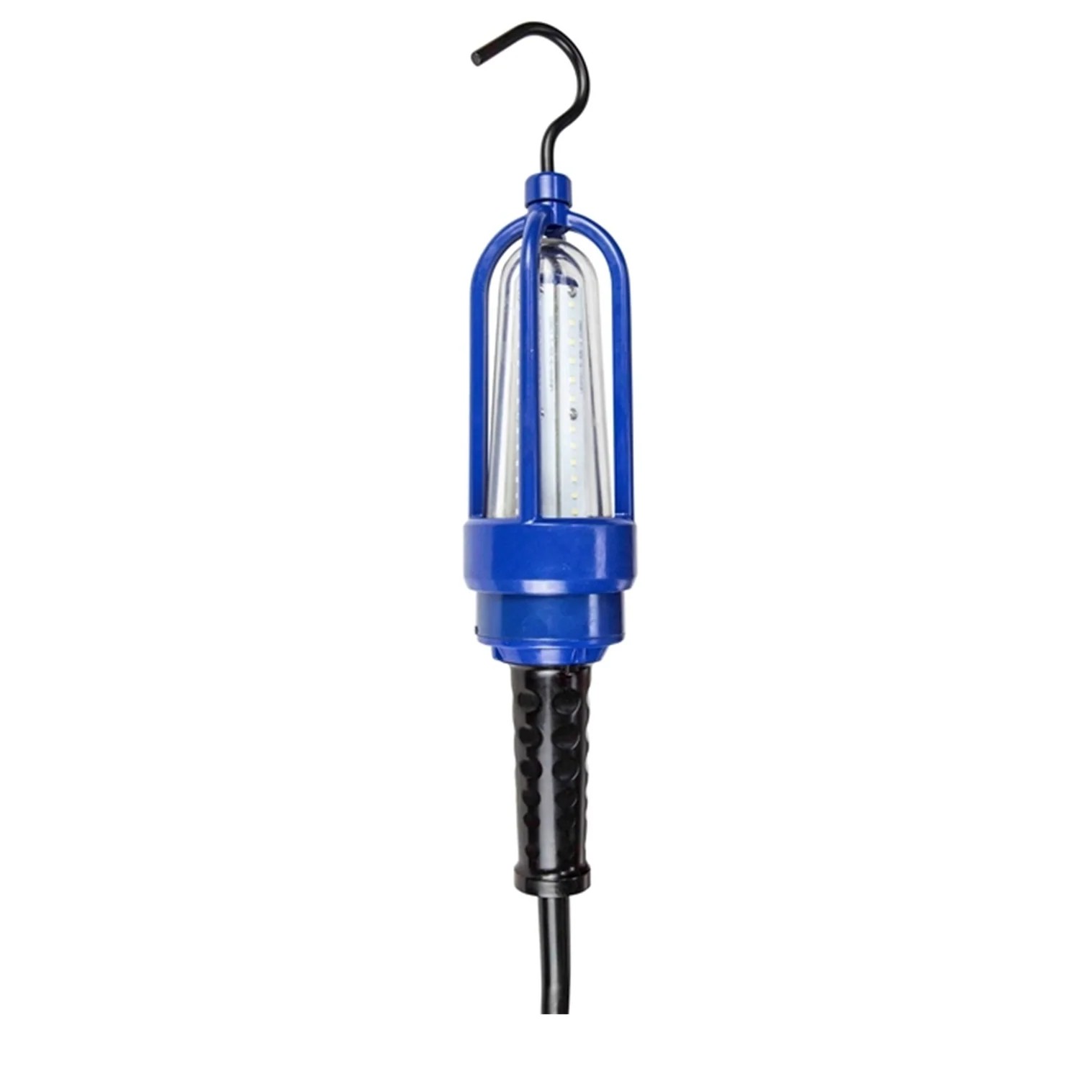

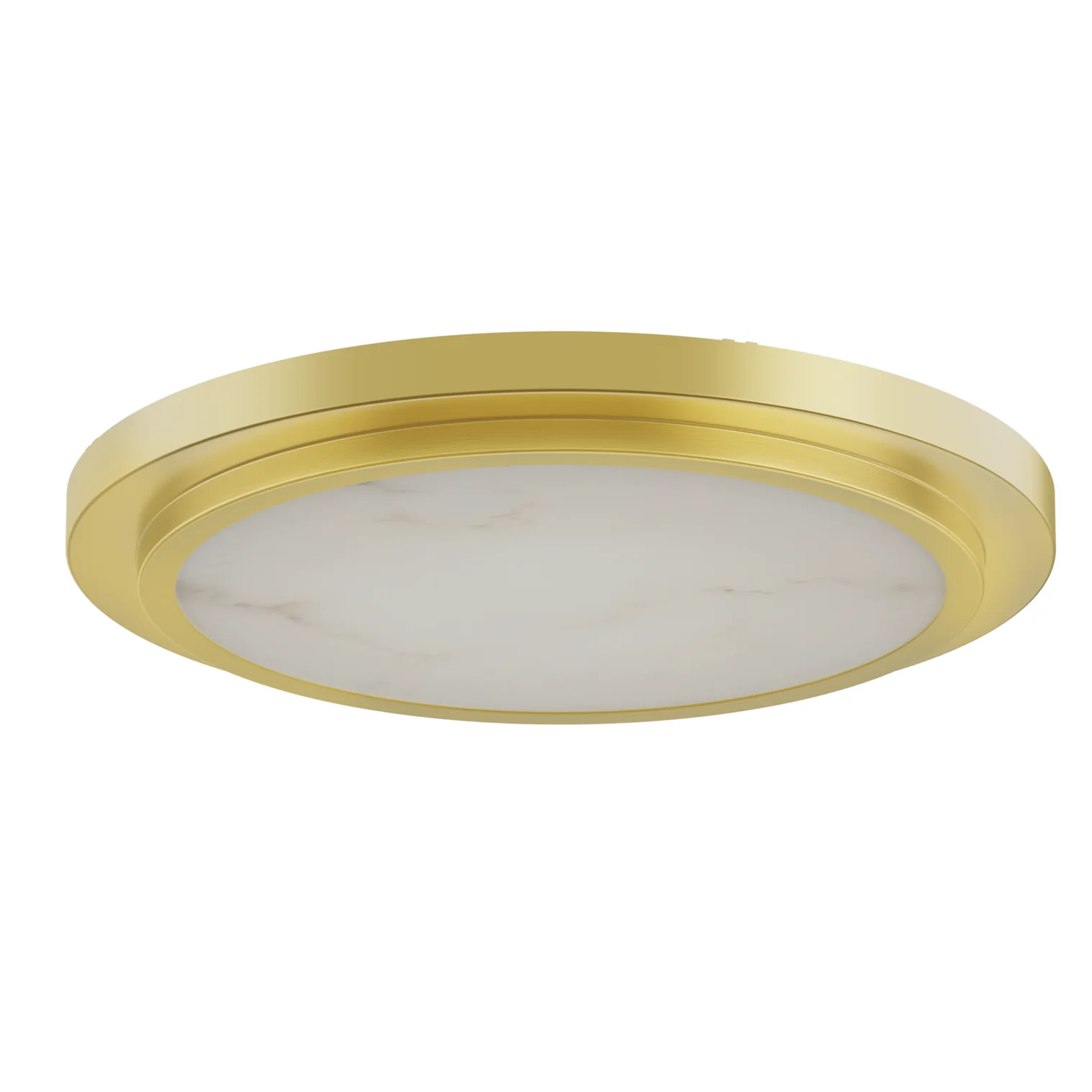





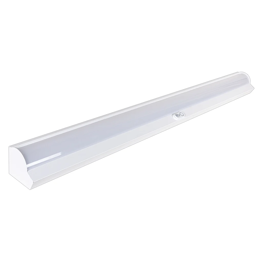

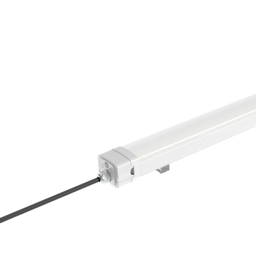

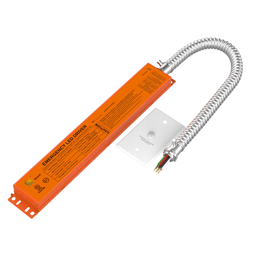

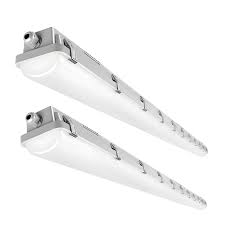
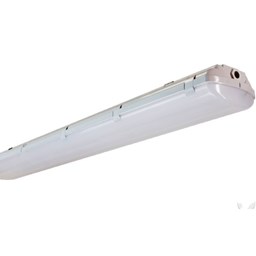




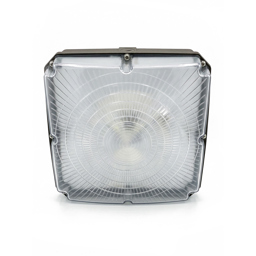
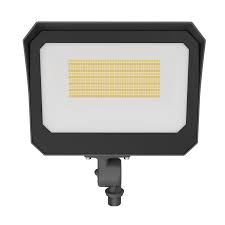
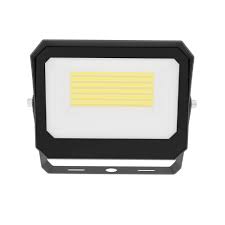





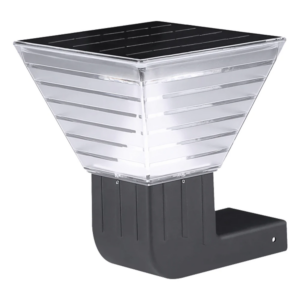

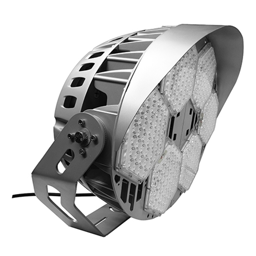

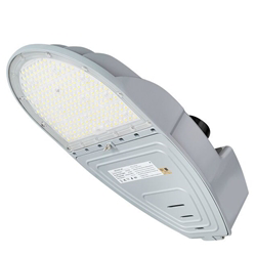

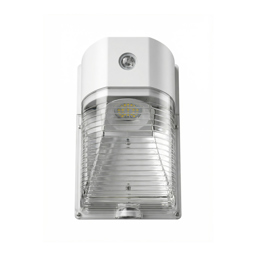








Industrial environments present unique challenges that ordinary lighting systems are not designed to handle. Facilities containing combustible gases, flammable vapors, airborne dust, or ignitable fibers require specialized lighting solutions that minimize the risk of ignition. This is where Hazardous Area Lighting becomes essential.
These lighting systems are specifically engineered to withstand dangerous conditions while providing reliable illumination. From oil refineries and chemical plants to grain elevators and mining operations, hazardous lighting plays a critical role in protecting personnel, equipment, and facilities. Selecting the correct fixture is not simply a matter of brightness; it involves understanding classifications, certifications, temperature ratings, and environmental risks.
As industries continue to prioritize safety and energy efficiency, modern hazardous lighting technologies, especially LED solutions, have become increasingly advanced. Understanding how these systems work helps facility managers, engineers, and maintenance teams create safer working environments while complying with regulatory standards.
Key Takeaways
- Hazardous lighting is designed for explosive or combustible environments.
- Specialized fixtures prevent ignition caused by heat or sparks.
- Hazardous areas are classified according to gases, dust, and fibers.
- Oil and gas facilities rely heavily on certified lighting systems.
- Mining and grain processing plants require explosion-resistant fixtures.
- Class I areas involve flammable gases and vapors.
- Class II environments involve combustible dust.
- Class III locations contain ignitable fibers.
- Division and Zone systems identify different risk levels.
- LED hazardous lighting improves efficiency and longevity.
- Certifications ensure compliance with industry regulations.
- Temperature ratings help prevent ignition hazards.
- Proper installation affects system reliability.
- Regular inspections improve safety.
- Maintenance programs extend fixture lifespan.
What Is Hazardous Area Lighting and Where It Is Used
Hazardous environments contain substances capable of causing explosions or fires when exposed to heat, electrical arcs, or sparks. Ordinary lighting fixtures may generate enough energy to ignite these materials, creating serious risks. Hazardous Area Lighting is specifically designed to contain potential ignition sources and provide reliable illumination in dangerous conditions. These fixtures are engineered to resist corrosion, vibration, moisture, and extreme temperatures while preventing accidental ignition.
Flammable gases and vapors are among the most common hazards encountered in industrial settings. Petroleum products, solvents, and chemical compounds can create explosive atmospheres when mixed with air. In these environments, lighting systems must be designed to eliminate external sparks and maintain safe operating temperatures. Specialized enclosures and certified components help ensure that fixtures remain safe even under demanding conditions.
Dust particles and airborne fibers also present significant dust risks in industrial environments. Facilities handling grain, sugar, coal, wood, textiles, or metal powders often contain combustible particles capable of causing explosions. Dust accumulation around electrical equipment increases risks considerably. Hazardous lighting solutions are designed to prevent dust ingress while minimizing surface temperatures that could trigger ignition. These systems help maintain safe operating environments while supporting productivity.
Real-world applications span numerous industries. Oil and gas refineries depend heavily on explosion-proof lighting systems. Chemical plants require corrosion-resistant fixtures capable of withstanding harsh conditions. Mining operations use rugged lighting solutions designed for vibration and moisture resistance. Grain elevators and food processing facilities rely on specialized equipment to prevent dust-related incidents. Across all these sectors, hazardous lighting contributes directly to workplace safety, regulatory compliance, and operational reliability.
Feature Article: Best Solar Street Lights Guide: Types, Cost & Buying
Hazardous Location Classifications and Risk Zones Explained
Understanding classifications is essential when selecting safe lighting systems. Different hazardous atmospheres require different protection methods. Proper classification helps engineers choose compliant fixtures capable of operating safely within specific environments.
Class I Hazardous Locations
Class I environments contain flammable gases or vapors that can ignite when exposed to electrical sparks or excessive heat. Examples include oil refineries, fuel storage terminals, chemical processing plants, and natural gas facilities. These locations present some of the highest risks because gases can spread quickly and create explosive mixtures. Lighting systems used in Class I areas must be carefully designed to prevent ignition. Certified fixtures use specialized enclosures and components to contain sparks and maintain safe temperatures. Understanding Class I requirements is one of the most important aspects of hazardous location classifications because gas-related hazards are common across many industries.
Class II Hazardous Locations
Class II areas involve combustible dust particles. Grain facilities, flour mills, coal plants, pharmaceutical operations, and metal processing facilities frequently fall into this category. Dust accumulation can create explosive atmospheres when disturbed. Specialized lighting prevents particles from entering internal electrical components and generating ignition sources. Fixtures must also maintain low external temperatures to avoid igniting accumulated dust. Selecting appropriate lighting for Class II areas requires understanding particle characteristics and environmental conditions. Properly certified equipment reduces risks significantly and supports safe operations within facilities handling combustible dust materials.
Class III Hazardous Locations
Class III locations involve ignitable fibers and flyings rather than gases or dust clouds. Textile mills, woodworking plants, and facilities handling cotton or similar materials commonly fall into this classification. Fibers tend to accumulate around machinery and electrical equipment, creating potential ignition hazards. Although these environments generally present lower risks than Class I and II areas, specialized lighting remains necessary. Fixtures designed for Class III applications prevent fiber accumulation and operate within safe temperature ranges. Compliance with classification requirements protects workers and minimizes fire risks in industries handling combustible fibers.
Division Classification System
The Division system, widely used in North America, separates hazardous environments into Division 1 and Division 2 categories. Division 1 areas contain hazardous substances during normal operations, while Division 2 areas encounter these substances only under abnormal conditions. This distinction helps determine the level of protection required. Lighting fixtures designed for Division 1 environments typically provide higher levels of containment and durability. Understanding Division classifications allows facility managers to select equipment that balances safety requirements with cost considerations. Proper classification also simplifies compliance with regulatory standards and inspection requirements.
Zone Classification Method
The Zone system, commonly used internationally, categorizes risks according to the frequency and duration of hazardous atmospheres. Zone 0 represents continuous hazards, Zone 1 indicates likely hazards during normal operation, and Zone 2 involves occasional exposure. This approach provides more detailed risk assessment compared to the Division system. Engineers use Zone classifications to specify appropriate lighting technologies and certifications. Many multinational organizations rely on Zone standards because they align closely with international safety frameworks. Understanding these systems is critical when selecting lighting for global industrial operations.
Feature Article: LED Troffer Lights: Energy-Efficient Lighting for Any Space
Hazardous Location Light Fixtures Types and Working Principles
Different hazardous environments require different fixture technologies. Manufacturers design specialized systems that prevent ignition through containment, temperature control, and electrical protection. Understanding how these fixtures operate helps facilities select lighting systems that meet safety requirements while delivering dependable performance.
Explosion-Proof Lighting Fixtures
Explosion-proof fixtures are among the most widely used hazardous location light fixtures in industrial environments. Contrary to popular belief, these fixtures do not prevent explosions from occurring inside the housing. Instead, they are engineered to contain internal explosions and stop flames or hot gases from escaping into the surrounding atmosphere. Heavy-duty enclosures made from aluminum or stainless steel provide exceptional durability and protection. Oil refineries, petrochemical facilities, and fuel storage plants commonly rely on explosion-proof lighting because of their ability to operate safely in environments containing flammable gases and vapors. Their rugged design also provides resistance against impact, vibration, and harsh weather conditions.
Intrinsically Safe Lighting Systems
Intrinsically safe lighting takes a different approach by limiting electrical energy to levels too low to ignite hazardous substances. These systems prevent sparks and excessive heat generation rather than containing explosions. Intrinsically safe fixtures are commonly used in laboratories, pharmaceutical facilities, and environments requiring portable lighting. Because they operate with minimal energy, they provide excellent protection in highly sensitive areas. Maintenance personnel often prefer intrinsically safe devices for inspections and confined-space applications. Their design philosophy focuses on prevention rather than containment, making them ideal for environments where even a small spark could cause catastrophic consequences.
Dust-Ignition Proof Fixtures
Facilities handling combustible dust require specialized fixtures designed to prevent particle ingress and maintain safe operating temperatures. Dust-ignition proof lighting prevents dust accumulation inside electrical components and minimizes external heat generation. Grain elevators, flour mills, sugar plants, and food processing facilities frequently depend on these systems. Dust-related explosions can be devastating because accumulated particles create highly combustible conditions. Properly designed fixtures eliminate potential ignition sources and improve overall facility safety. Durable sealing mechanisms and corrosion-resistant materials ensure reliable performance even in environments with heavy dust exposure and demanding operating conditions.
LED Hazardous Lighting Solutions
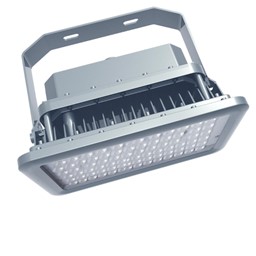
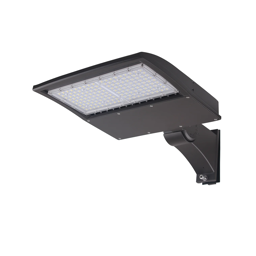
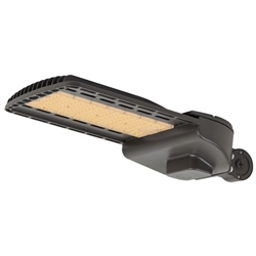
LED technology has transformed outdoor industrial lighting over the past decade. LED hazardous fixtures provide superior energy efficiency, longer service life, and lower maintenance costs compared with traditional lighting systems. Their reduced heat generation also contributes to improved safety. Modern LED fixtures deliver consistent illumination while withstanding vibration, temperature fluctuations, and moisture exposure. Many facilities upgrading older systems choose LED solutions because they provide excellent return on investment. These fixtures are available in explosion-proof, intrinsically safe, and dust-resistant configurations, allowing engineers to tailor solutions according to specific environmental requirements. LEDs have become a preferred option for many industries seeking reliability and sustainability.
Corrosion-Resistant and Marine Fixtures
Some hazardous environments involve additional challenges such as saltwater exposure, humidity, and corrosive chemicals. Corrosion-resistant lighting fixtures are designed specifically for these demanding conditions. Marine platforms, wastewater treatment plants, and chemical processing facilities often require equipment capable of withstanding aggressive environments. Protective coatings, stainless steel housings, and sealed components extend fixture lifespan and reduce maintenance requirements. These systems maintain reliable performance despite exposure to harsh substances and severe weather conditions. Selecting corrosion-resistant fixtures helps organizations improve safety while minimizing downtime and replacement costs.
Feature Article: Best Lighting Tips for Architecture to Enhance Your Space Design
Standards, Certifications, and Selection Guide for Hazardous Area Lighting
Industrial lighting systems must comply with strict safety standards to ensure reliable operation. Organizations such as the National Electrical Code (NEC), National Fire Protection Association (NFPA), ATEX, and IECEx establish requirements for equipment used in hazardous environments. These standards define classification methods, installation practices, and testing procedures. Compliance ensures that fixtures meet performance expectations and reduce risks associated with explosive atmospheres. Understanding these regulations is essential when specifying lighting systems for industrial applications.
Temperature ratings, commonly referred to as T-ratings, play a critical role in fixture selection. Every hazardous substance has an ignition temperature, and lighting equipment must operate below this threshold. T-ratings classify equipment according to maximum surface temperatures. Choosing the correct rating prevents excessive heat buildup and reduces ignition risks. In addition to temperature considerations, ingress protection (IP) ratings indicate resistance to water and dust penetration. Higher IP ratings provide improved durability in harsh environments and contribute to longer equipment life.
Selecting Hazardous Area Lighting involves evaluating multiple factors. Environmental conditions, chemical exposure, moisture levels, and vibration intensity all influence fixture requirements. Engineers must also consider lumen output, energy efficiency, maintenance accessibility, and installation methods. LED technology offers significant advantages because of its reduced energy consumption and extended lifespan. Facilities operating continuously often benefit most from upgrading to modern LED solutions that minimize downtime and maintenance costs.
Companies seeking reliable and certified solutions frequently turn to Mesla Lighting. The company provides energy-efficient hazardous lighting products designed to meet demanding industrial requirements. Their fixtures are engineered for durability, compliance, and long-term reliability across sectors including oil and gas, mining, marine operations, and chemical processing. By combining advanced technology with strict adherence to safety standards, Mesla Lighting helps organizations create safer working environments while improving operational efficiency.
Feature Article: Commercial LED Lights: Your Complete Efficiency Guide
Installation, Maintenance, and Safety Practices for Hazardous Lighting
Proper installation and maintenance are just as important as fixture selection. Even the most advanced lighting systems can fail to provide adequate protection if installed incorrectly or neglected over time. Following established safety practices ensures reliable performance and regulatory compliance.
Proper Installation Procedures
Installation should always follow manufacturer instructions and applicable codes. Certified electricians with experience in hazardous environments should perform all work. Wiring methods, conduit systems, and mounting hardware must comply with classification requirements. Improper installation can compromise fixture integrity and create ignition hazards. Careful planning helps ensure that lighting systems operate safely and deliver consistent illumination. Verifying compatibility between fixtures and environmental conditions further enhances reliability and long-term performance.
Routine Inspection Programs
Regular inspections help identify wear, corrosion, loose connections, and damaged seals before problems become serious. Visual assessments combined with scheduled testing ensure continued compliance with safety standards. Facilities often establish preventive maintenance programs to minimize downtime and avoid unexpected failures. Inspecting fixtures at regular intervals improves system reliability and reduces repair costs. Documentation of inspection activities also supports regulatory compliance and simplifies auditing processes.
Cleaning and Environmental Protection
Dust, dirt, and chemical residues can affect lighting performance and increase maintenance requirements. Cleaning procedures should follow manufacturer recommendations to avoid damaging protective seals and coatings. In corrosive environments, periodic washing may be necessary to remove contaminants and extend fixture lifespan. Proper environmental protection helps maintain optical performance and prevents premature deterioration. Safe cleaning practices contribute to improved efficiency and reduce replacement frequency.
Replacement and Upgrades
Technology advances continue to improve industrial lighting performance. Facilities using outdated systems often benefit from upgrading to LED solutions that provide higher efficiency and reduced maintenance requirements. Replacement schedules should consider fixture age, operating conditions, and performance history. Upgrading lighting systems can improve visibility, lower energy consumption, and enhance workplace safety. Long-term planning helps organizations maximize return on investment while maintaining compliance with changing standards.
Training and Safety Awareness
Employees responsible for operating and maintaining lighting systems should receive appropriate training. Understanding classification systems, inspection procedures, and emergency protocols helps reduce risks and improve overall safety. Training programs also ensure that workers recognize signs of equipment failure and respond appropriately. Building a culture of safety enhances operational reliability and minimizes accidents. Well-informed personnel contribute significantly to maintaining safe industrial environments.
Feature Article: Types of Permanent Outdoor Lighting for Tiny Homes
Final Thoughts
Choosing the right Hazardous Area Lighting solution is about much more than illumination. These systems are essential components of industrial safety strategies, helping prevent explosions and protect both personnel and assets. Proper classification, certified equipment, and regular maintenance work together to create secure operating environments across many industries.
Understanding hazardous location classifications allows organizations to select equipment that matches specific risks. Whether dealing with flammable gases, combustible dust, or ignitable fibers, using the correct fixtures reduces hazards and supports regulatory compliance. Advances in LED technology have further improved performance, energy efficiency, and maintenance requirements, making modern systems more dependable than ever.
Ultimately, investing in high-quality hazardous location light fixtures provides long-term benefits that extend far beyond lighting performance. Reliable systems improve visibility, enhance productivity, and strengthen workplace safety. With certified products and trusted providers such as Mesla Lighting, industrial facilities can confidently create environments that prioritize both efficiency and protection.
FAQs
What is hazardous area lighting used for?
Hazardous area lighting is used in environments containing flammable gases, combustible dust, vapors, or fibers. These fixtures are designed to prevent ignition and improve safety in industries such as oil and gas, mining, chemical processing, and grain handling.
What are hazardous location classifications?
Hazardous location classifications categorize environments based on the presence of explosive gases, dust, or fibers. Systems such as Class I, II, and III, along with Division and Zone methods, help determine the appropriate equipment required for safe operation.
What is explosion-proof lighting?
Explosion-proof lighting uses reinforced enclosures that contain internal explosions and prevent sparks or flames from escaping into hazardous atmospheres. These fixtures are widely used in high-risk industrial environments.
Are LED lights safe for hazardous locations?
Yes. LED fixtures specifically designed and certified for hazardous environments are safe and highly efficient. They generate less heat, require less maintenance, and offer longer service life than traditional lighting technologies.
What certifications are required for hazardous lighting?
Common certifications include NEC and NFPA requirements in North America, along with ATEX and IECEx standards used internationally. Temperature ratings and IP protection ratings are also important considerations when selecting compliant fixtures.