









































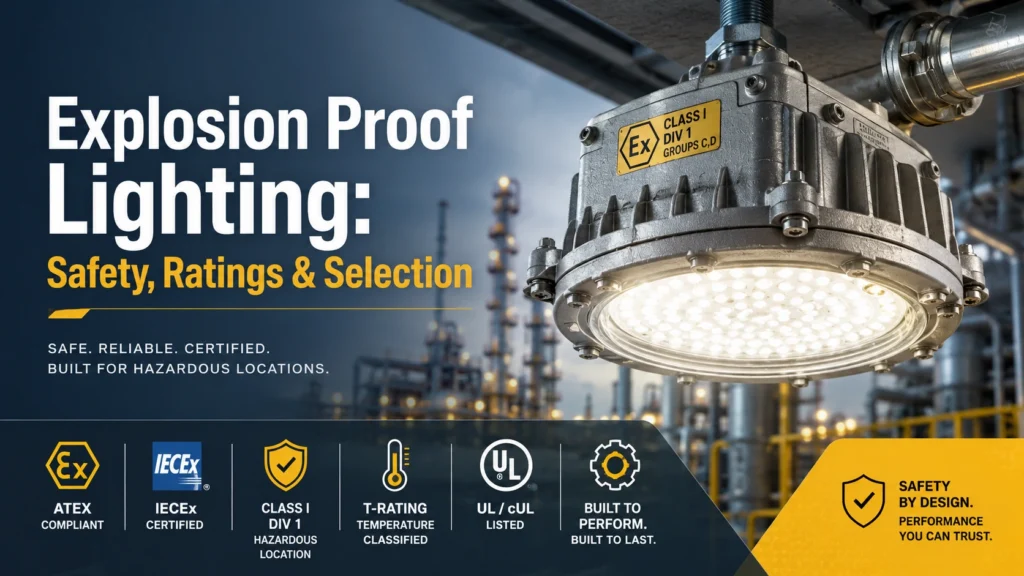
If you’ve ever stood in front of a spec sheet full of letters and numbers- Class I, Div 1, Group D, T4, Ex d, and felt your eyes glaze over, you’re not alone. Specifying explosion proof lighting is one of those jobs where a single wrong letter on a label can mean a failed inspection, a rejected shipment, or worse, a fixture that becomes the ignition source it was supposed to prevent. And most of the guides out there just hand you another classification lecture instead of telling you what to actually look for.
This guide takes the opposite approach. We’ll cover how these fixtures physically work, where the law and common sense say you need them, the part almost nobody explains well, and how to read a rating label like someone who does this for a living. In the end, you will be able to stand next to the fixture and decipher its code and determine if it belongs to your facility.
Key Takeaways
- Explosion proof lighting doesn’t stop explosions from getting in; it contains any spark or blast inside the fixture and cools escaping gases so they can’t ignite the surrounding air.
- Two rating systems dominate: North America’s Class/Division system and the international Zone system used by ATEX certified lighting and IECEx certified lighting.
- These four important things are included in the tag: hazard class, frequency of occurrence, particular gas or dust group, and the highest permissible surface temperature (T-rating).
- Explosion proof LED lighting systems have now mostly taken the place of older technology owing to the lower heat, much longer life, and reduced power consumption.
- “Waterproof” is not “explosion proof,” and a Division 2 fixture is not a legal substitute in a Division 1 area, two of the most expensive mistakes buyers make.
What Is Explosion Proof Lighting and How Does It Work?
Here’s the thing that trips people up first: the name is misleading. Explosion proof lighting isn’t armor plating designed to survive a blast from outside. It’s built to handle an explosion that starts inside the fixture itself.
What “Explosion Proof” Actually Means
Every light fixture has electrical parts, connections, drivers, and the occasional arc when something switches on or fails. In a normal building, that’s harmless. In a room full of flammable vapor, a tiny internal spark is all it takes. So hazardous location lighting is engineered around a simple assumption: an ignition will eventually happen inside the housing, and the fixture’s entire job is to make sure it never escapes as a flame.
That’s the real definition. Not “won’t explode,” but “won’t let its own internal explosion out.”
How Flameproof Lighting Fixtures Contain Ignition
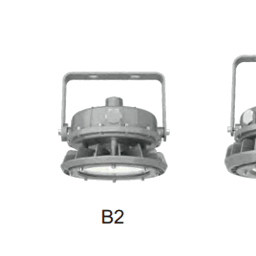
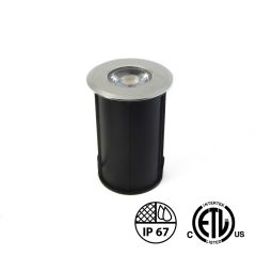
The mechanism is genuinely clever. Flameproof lighting fixtures use thick, precisely machined enclosures, usually cast aluminum or stainless steel, with mating surfaces that fit together along long, narrow gaps called flame paths.
Even if the gas manages to enter the chamber and ignite, the chamber is built to resist the internal pressure without developing any cracks. While the hot gases make an attempt to exit the system using the narrow channels, the metals in question will absorb heat and reduce the temperature of the gases to a point where they cannot cause any ignition in the environment outside the chamber. If the exterior of the device is made safe through thermal management and other techniques, it will be possible for the fixture to survive in a hazardous environment.
Explosion Proof vs Standard Industrial Lighting
A regular high-bay or flood light, even a rugged, sealed, outdoor-rated one, is built to keep the environment out. Industrial explosion proof lights are built to keep their own potential ignition inside the fixture through specialized containment designs and safety-focused engineering.
That’s a completely different design problem, which is why hazardous lighting fixtures require specialized engineering and certification. You can’t upgrade a standard fixture into a compliant one with a better gasket. The containment has to be engineered in from the casting up.
Where Is Explosion Proof Lighting Required?
The short version: anywhere a flammable gas, vapor, or combustible dust can build up in the air. If a stray spark could set the room off, ordinary lighting is off the table. Here’s where that shows up in the real world.
Oil and Gas Lighting
This is the classic case for oil gas facilities handling volatile hydrocarbons. Oil and gas lighting has to assume that flammable vapor is either always around or one bad day away.
Upstream and downstream sites lean heavily on certified fixtures, and it’s not unusual for a single facility to mix continuously hazardous zones with areas that only go dangerous during an upset.
Chemical Plant Lighting
The presence of solvents, reaction intermediates, and volatile substrates in chemical plant lighting means that lighting for such facilities is a special area in itself. Each section within a production plant presents different risks, and in addition to the safety requirements against explosion, there is another requirement due to the corrosive nature of the atmosphere: longevity of the enclosure.
Paint and Spray Areas
People underestimate paint booths constantly. Atomized paint and solvent fumes create a genuinely explosive cloud during spraying, which is why spray areas are treated as hazardous zones even in facilities that are otherwise ordinary. The lighting here needs both the containment rating and a sealed design that overspray can’t creep into.
Grain, Dust and Processing Facilities
It’s not just gases. Grain elevators, flour mills, sugar plants, and woodworking shops fill the air with fine combustible dust, and dust explosions are among the most violent industrial accidents on record. Fixtures in these spaces need dust-specific ratings, and they need enclosures that don’t let dust settle where it can bake onto a hot surface and smolder.
Mining, Fuel Storage and Petrochemical Sites
Underground mines (methane), bulk fuel depots, and petrochemical complexes round out the list. These environments often combine several hazards at once — flammable gas, dust, corrosion, moisture, and heavy vibration, so hazardous area LED lights specified here tend to carry the most demanding ratings and the toughest housings available.
How to Decode Explosion Proof Lighting Ratings
This is the part that all the other guides neglect to cover, and this is the part that will save you money. Rather than trying to memorize the whole classification system, simply learn how to read a label. There are four pieces of information that every compliant piece of equipment gives you.
Class 1 Division 1 Lighting vs Class 1 Division 2 Lighting
Start with what the hazard is and how often it’s around.
- Class = the hazard type. Class I is gases and vapors. Class II is combustible dust. Class III is ignitable fibers and flyings.
- Division = how often it’s present. Division 1 means the hazardous atmosphere exists during everyday operation. Division 2 means it only appears when something goes wrong: a leak, a spill, a failed seal.
That distinction drives everything. Class 1 Division 1 lighting is the stricter, more expensive tier because you’re assuming the danger is always there. Class 1 Division 2 lighting covers areas that are only hazardous occasionally, so the requirements ease slightly. A fixture rated for Division 2 is not automatically legal in a Division 1 space, but a Division 1 fixture generally satisfies Division 2, because it’s built to the tougher standard. When in doubt, the higher rating is the safe direction.
Gas, Vapor and Dust Groups
Within each Class, a Group letter narrows things down to the specific substance family. In North America, Class I gases run Group A (acetylene) through Group D (propane and most common hydrocarbons), while Class II dusts use Groups E, F, and G (metal, coal, and grain dust). The international system groups gases as IIA, IIB, and IIC instead. The rule is simple: the fixture’s group has to match or exceed the material in your space. A light approved for propane won’t necessarily be safe around hydrogen.
Temperature Class and T-Ratings
Every hazardous substance has an auto-ignition temperature — the point at which it lights on its own, no spark needed. The T-code tells you the hottest the fixture’s surface will ever get, and it has to stay below your material’s ignition point. The scale runs from T1 (up to 450°C) down to T6 (just 85°C).
A lower number means a hotter allowable surface; a higher number means a cooler, safer one. This is exactly where explosion proof LED lighting shines, because LEDs run so much cooler than the old metal halide and incandescent fixtures they replaced; they make hitting a strict T-rating far easier.
ATEX Certified Lighting vs IECEx Certified Lighting
Both use the Zone system (Zones 0/1/2 for gas, 20/21/22 for dust) rather than Class/Division. The practical difference is geographic reach. ATEX rules apply to equipment used in potentially explosive European environments. IECEx certified lighting is an international scheme accepted across many countries, designed so one round of testing can open multiple markets. Many quality fixtures carry both, plus the North American marks, which is what you want if you operate globally.
UL/NEC Considerations in North America
In North America, UL standards help verify hazardous-location fixture compliance. Look for the UL or cUL mark alongside the Class/Division/Group/T-code string. If a fixture only shows overseas certifications with no North American listing, that’s a red flag for a US or Canadian install; the marks have to match the jurisdiction you’re actually in.
Reading a rating label at a glance:
| Rating / Marking | What the buyer should determine |
| Class (I / II / III) | What kind of hazard you have — gas/vapor, dust, or fibers |
| Division (1 / 2) or Zone (0,1,2 / 20,21,22) | How often the hazard is actually present in that area |
| Group (A–D gas, E–G dust, or IIA–IIC) | The specific gas or dust family — must match your material |
| Temperature Class (T1–T6) | Max surface temperature; must stay below your substance’s ignition point |
| Certification mark (UL / cUL / ATEX Ex / IECEx) | Which region and scheme the fixture is legally approved for |
| IP rating (e.g., IP66) | Dust and water ingress protection — related to durability, not explosion safety |
| Ambient temperature range | The operating temperature band the fixture is rated to work within |
Match all seven to your site and you’ve done the hard part.
Explosion Proof LED Lighting vs Other Safe Lighting Types
The terminology around safe lighting is a mess, and vendors don’t always help. Let’s untangle the terms that get used interchangeably but mean genuinely different things.
Explosion Proof vs Intrinsically Safe Lighting
This is achieved through the use of opposing methods. Explosion-proof lights have an ignition source. Intrinsic safety lights work on the concept of ensuring that there is no ignition source in the circuit by limiting the amount of electrical energy in the circuit to a level that cannot cause any spark.
This limits the power of the system, and therefore such a system is used mainly in low-power portable systems like lamps, torches, and instrumentation devices. In situations where there is a need for consistent high lumen power in a fixed system, explosion-proof is the best choice.
Explosion Proof vs Hazardous Location Lighting
“Hazardous location lighting” is the umbrella term; it describes any fixture approved for a classified hazardous area, whether it achieves that through flameproof containment, intrinsic safety, or another recognized protection method.
“Explosion-proof” refers specifically to the containment method. Approved hazard lights must match the specific classified environment. Worth knowing when you’re comparing quotes.
Explosion Proof vs Vapor-Tight or Weatherproof Lighting
This is the confusion that costs people the most. A vapor-tight or weatherproof fixture is sealed against water and dust; that’s what an IP rating measures. It says nothing about containing an ignition.
A fixture can be gloriously waterproof and still be completely illegal in a hazardous area. Ingress protection and explosion protection are two separate certifications, tested against two separate standards. Never let a high IP number stand in for a hazardous-location rating.
Why LED Technology Is Preferred for Many Industrial Applications
There’s a reason explosion proof LED lighting has taken over. LEDs run dramatically cooler than the metal halide and incandescent sources they replaced, which makes meeting strict T-ratings much simpler. They’re commonly cited as using on the order of 90% less energy and lasting up to roughly 100,000 hours, figures worth verifying against a specific product’s datasheet, but the direction is real.
For fixtures mounted 40 feet up in a corrosive, hard-to-reach zone, fewer replacements and lower heat output translate directly into lower risk and lower lifetime cost. That combination is why hazardous area LED lights are now the default rather than the upgrade.
How to Choose Industrial Explosion Proof Lights
Here’s a working checklist. Go in order; each step depends on the one before it, and skipping the first is how people end up with an expensive, non-compliant fixture.
Confirm the Hazard Classification
Always confirm the area rating before selecting equipment. This usually comes from a qualified engineer or your facility’s hazardous-area study. Everything downstream is built on this. Guessing here isn’t a shortcut; it’s the root cause of most bad purchases.
Match Required Certification
Buy to the region you operate in. North American sites need UL/cUL and NEC compliance; EU sites need ATEX certified lighting; international operations often want IECEx certified lighting as well. Confirm the marks are printed on the fixture and backed by real documentation, not just claimed in a listing.
Check T-Rating and Ambient Temperature
Verify the T-code stays below your material’s ignition temperature, and confirm the fixture’s ambient temperature range covers the real conditions on site; a light rated for a temperate warehouse may not hold up on a desert wellhead or in a freezer.
Select Lumen Output and Beam Pattern
Safety ratings get you legal; lumens and optics get you useful light. Match output and beam spread to mounting height and the task below. Industrial high-bays designed for tall ceilings require very different beam patterns and lumen outputs compared with smaller fixtures aimed at specific work areas.
Check IP Rating and Corrosion Resistance
Apart from the explosion rating, consider the ingress protection rating (IP66 is quite common for tough areas) and the material used to manufacture the enclosure. For cases where corrosion will be encountered due to moisture and chemicals, stainless steel or coated enclosures will pay off.
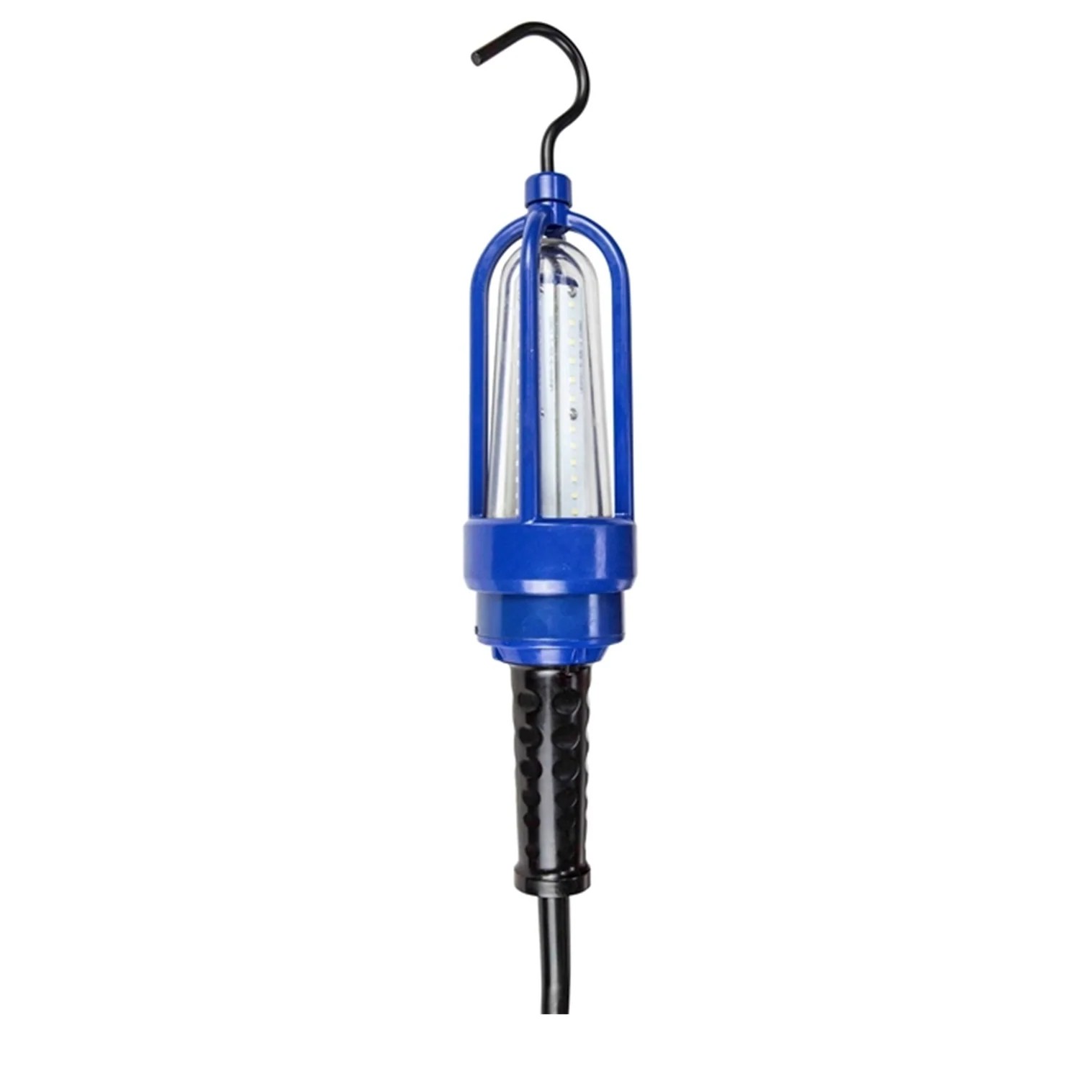
Choose Flood, Linear, High Bay, Stanchion, or Work Lights
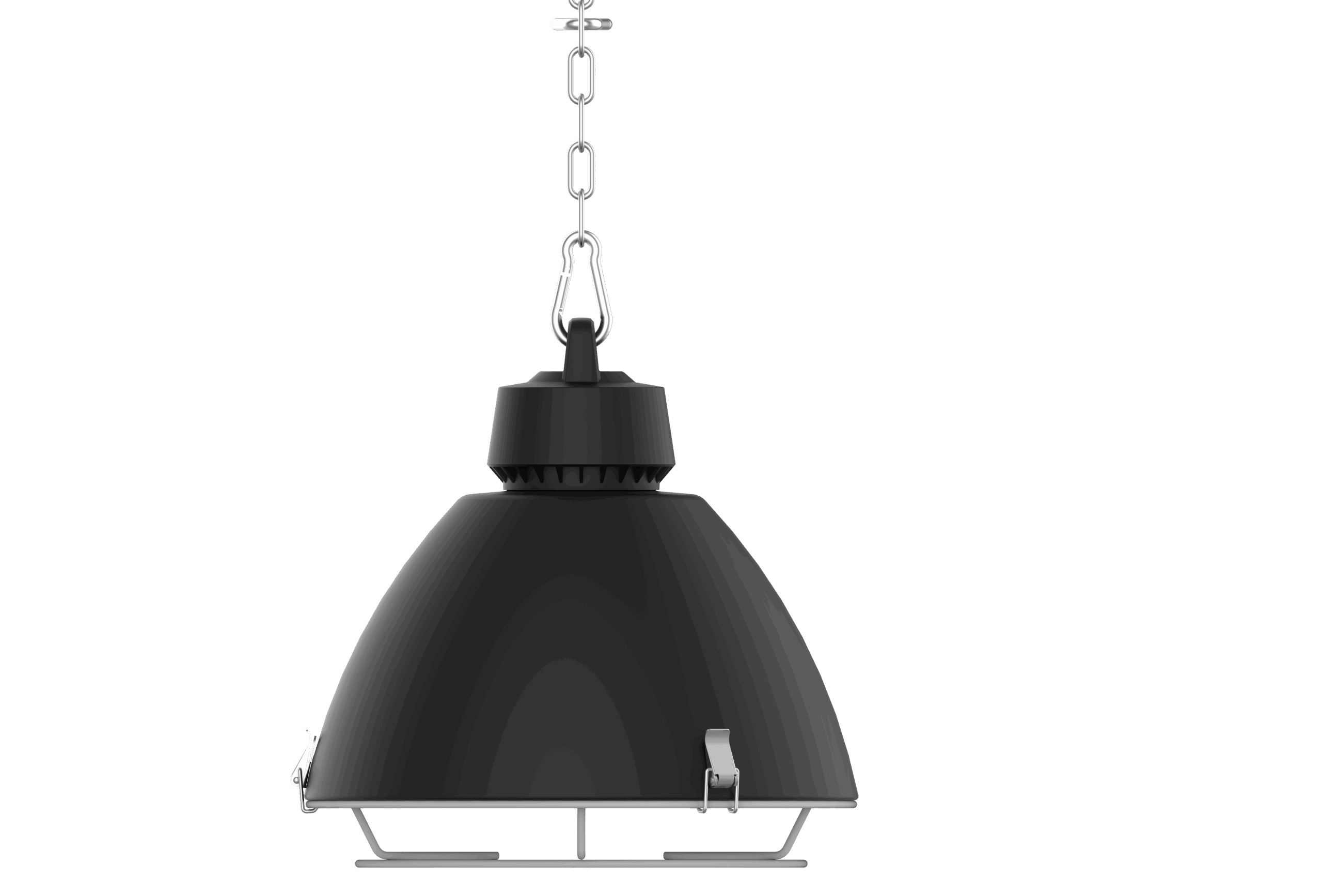
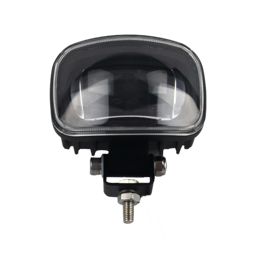
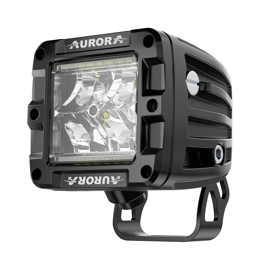
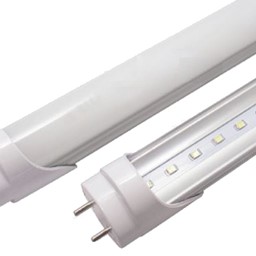
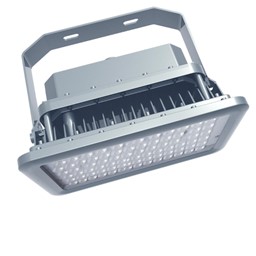
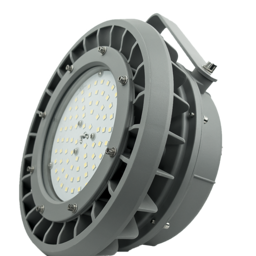
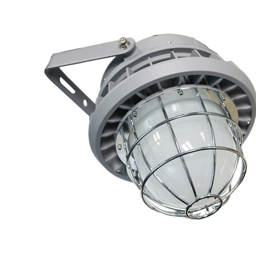
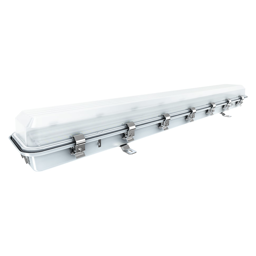
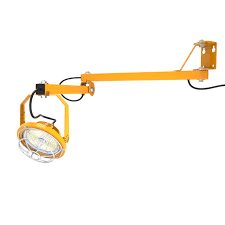
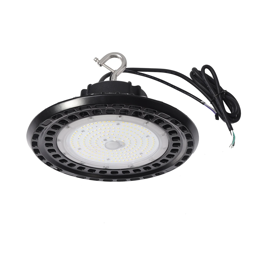
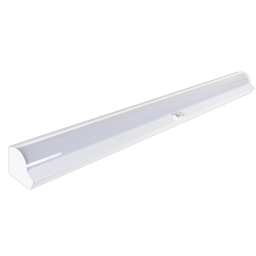
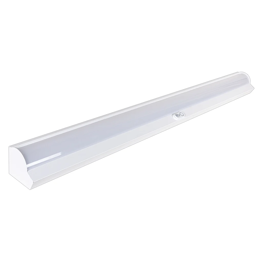
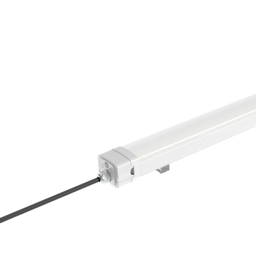
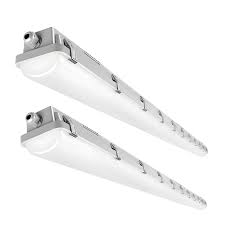
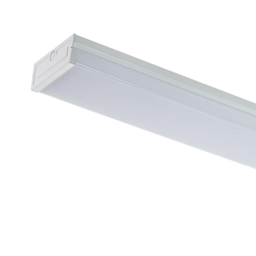
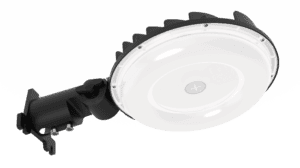
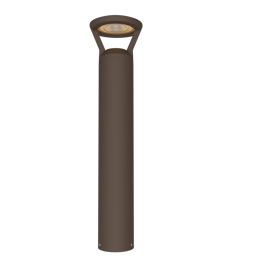
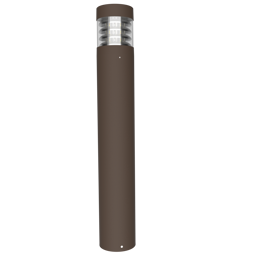
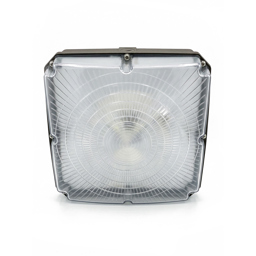
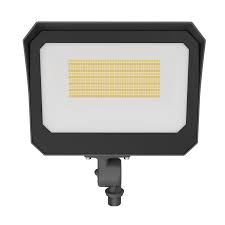
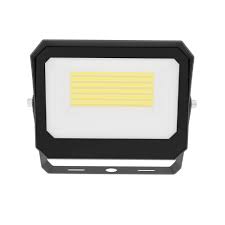
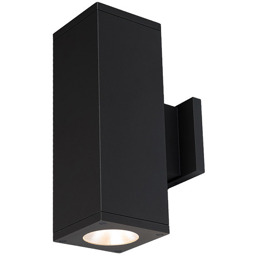
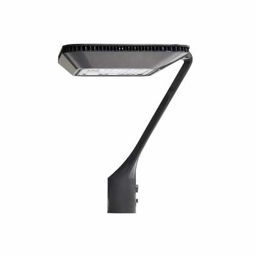
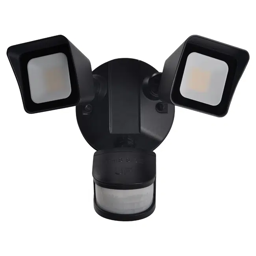
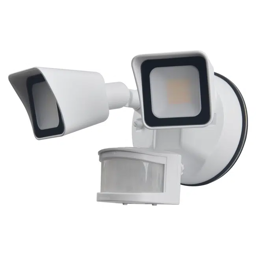
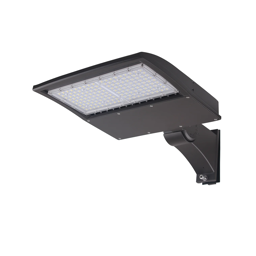
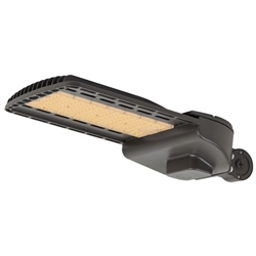
Form factor follows function. EXP floods are suitable for broad area coverage, while linears work well for corridors and racking, high-bays for tall interiors, and stanchion lights for localized zones. Most facilities end up with a mix.
Verify Voltage, Mounting and Emergency Requirements
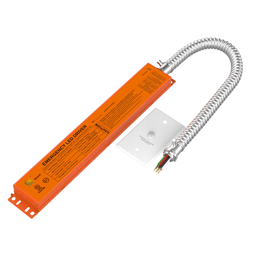
Make sure your light fixture can accommodate your voltage (most industrial facilities will use 120-277V or 347-480V), determine which mounting will be most appropriate for the vibration and loads, and see if your facility needs battery-operated or emergency lighting systems.
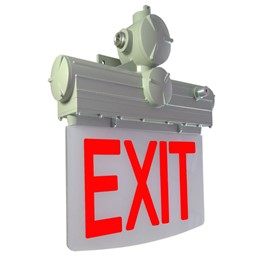
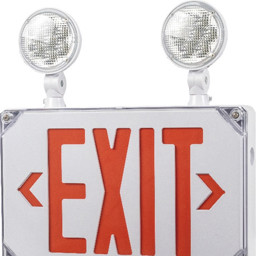
With all of those factors identified, it will be easier to narrow down your choices of lighting fixtures. That’s the point where Mesla Lighting’s explosion-proof LED range fits in; the catalog covers EXP floods, linear fixtures, high-bay area lights, stanchion lights, work lights, and even explosion-proof exit signage, so you can match the form factor to the zone without hunting across multiple suppliers.
Mesla also works as a partner vendor on lighting audits and site assessments, which helps when you’re translating a hazardous-area study into an actual fixture list.
Explosion Proof Lighting Mistakes to Avoid
Most compliance failures aren’t exotic. They’re the same handful of avoidable errors, over and over.
Assuming Waterproof Means Explosion Proof
We covered this above because it’s the big one. A sealed, weatherproof, high-IP fixture is not certified for hazardous areas unless it separately carries a hazardous-location rating. Ingress protection and explosion protection are different tests. Don’t let a shiny IP66 number lull you.
Using C1D2 Equipment Where C1D1 Is Required
Class 1 Division 2 lighting is built for areas that are only occasionally hazardous. Dropping it into a Class 1 Division 1 lighting environment, where the danger is constant, is a serious compliance and safety failure. It’ll fail inspection, and long before that, it’s a genuine risk to people.
Ignoring Gas/Dust Groups and Temperature Codes
Getting the Class and Division right but ignoring the Group or T-code is a subtler trap. A fixture approved for one gas group may be unsafe around another, and a surface that runs hotter than your material’s ignition point defeats the whole purpose. Match all four markings, not just the first two.
Selecting Fixtures Based Only on Wattage
Wattage is input power, not light output. Two fixtures at the same wattage can deliver wildly different lumens and beam quality. Spec by lumens, optics, and mounting height, and consider solutions like an LED high bay that delivers the right brightness and efficiency instead of selecting fixtures based only on wattage.
Ignoring Ambient Temperature and Corrosion
A fixture that’s perfect on paper can still fail early if it’s the wrong material for the environment or run outside its temperature band. Salt air, aggressive chemicals, and extreme heat or cold all shorten life and can compromise safety. Spec the enclosure for the actual conditions, not the average ones.
Overlooking Inspection and Certified Replacement Components
Compliance isn’t a one-time event at purchase. Flameproof lighting fixtures need periodic inspection of their enclosures, seals, and flame-path surfaces, and any replacement part has to match the original certified specification exactly. Swap in a generic gasket or an off-spec lens and you can quietly void the entire rating, which nobody notices until an audit or an incident.
Final Thoughts
Explosion proof lighting is scary-looking on the surface, but it’s really just a series of decisions that make sense individually: know that the light is igniting rather than trying to resist, have your hazard class verified, know what’s important on a label, and finally figure out what the light needs to be to do the job.
Put that in order, and you’ll specify lights confidently, not nervously awaiting inspections. Get the classification wrong at the start, and even premium solutions like an EXP Highbay Area light cannot compensate for selecting the wrong fixture for the environment. When the stakes are this high, a short conversation with a knowledgeable supplier, or a proper site audit, is almost always cheaper than a mistake.
FAQs
What is explosion proof lighting?
These are lights that have been designed for places with combustible gases or vapor or combustible dust. Unlike explosion-proof lights, which prevent a blast from the external environment from igniting the interior part of the light, explosion proof lighting prevents ignition inside the fixture and cools down the gases that escape through flames paths.
Where is explosion proof lighting required?
Anywhere a flammable or combustible atmosphere can form: oil and gas facilities, chemical and petrochemical plants, paint and spray booths, grain and dust processing sites, fuel storage, and underground mining. If a spark could set the room off, hazardous-location certified fixtures are required by code.
What is the difference between explosion proof and intrinsically safe lighting?
Explosion-proof fixtures contain an ignition source inside a rugged enclosure. Intrinsically safe lighting prevents ignition by limiting circuit energy so low that a spark can’t form. Intrinsic safety suits low-power portable gear like headlamps; flameproof construction suits high-output fixed fixtures.
Can LED lights be explosion proof?
Yes, and they’re now the preferred choice. Explosion proof LED lighting runs much cooler than older sources, which makes meeting strict temperature (T) ratings easier, and it’s widely cited for using around 90% less energy and lasting far longer, which matters a lot for fixtures in hard-to-reach hazardous zones.
What is the difference between Class 1 Division 1 and Division 2?
Class 1 Division 1 lighting is for areas where a flammable atmosphere is present during normal operation; the danger is essentially always there. Class 1 Division 2 lighting is for areas hazardous only under abnormal conditions, like a leak. A Division 1 fixture generally covers a Division 2 area, but never the reverse.
What certifications are required for explosion proof lighting?
It depends on where you are. North America uses NEC compliance and UL/cUL listing (commonly UL 844 for luminaires). Europe requires ATEX certified lighting, and many international markets accept IECEx certified lighting. Globally deployed fixtures often carry all three.
What is the difference between ATEX and IECEx certified lighting?
Both use the Zone system. ATEX certified lighting is a legal directive mandatory for the European Union market. IECEx certified lighting is an international scheme built so a single certification is recognized across many countries, streamlining approval for equipment sold worldwide. Many fixtures hold both.
How do I choose the right explosion proof light for a hazardous location?
Start by confirming your area classification (Class, Division/Zone, Group, T-code) in writing. Then match the certification to your region, verify the T-rating and ambient range, size the lumens and optics to the space, check the IP rating and corrosion resistance, and pick the right form factor- flood, linear, high-bay, stanchion, or work light- before you compare specific products.